Sentimental Ownership
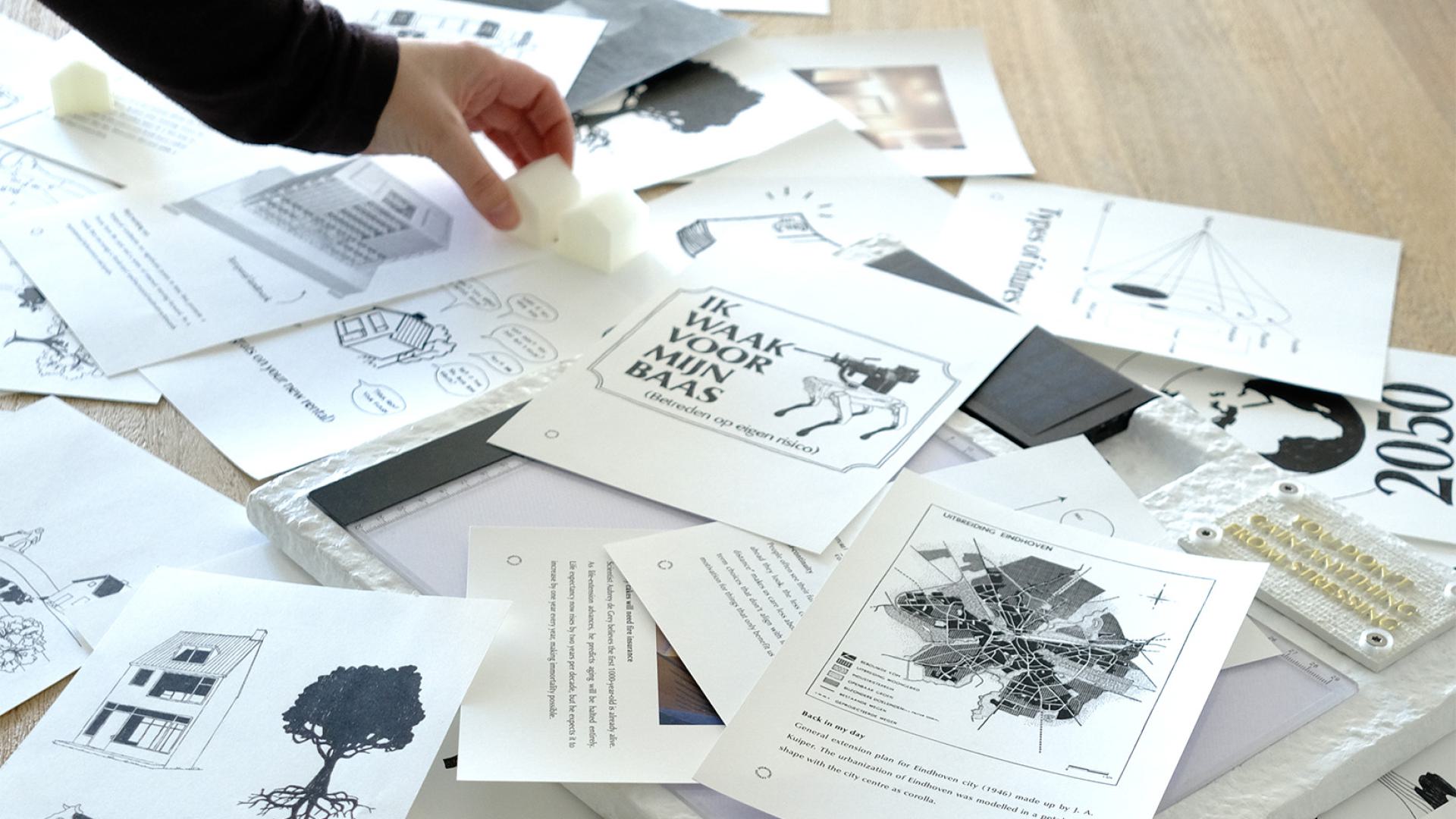
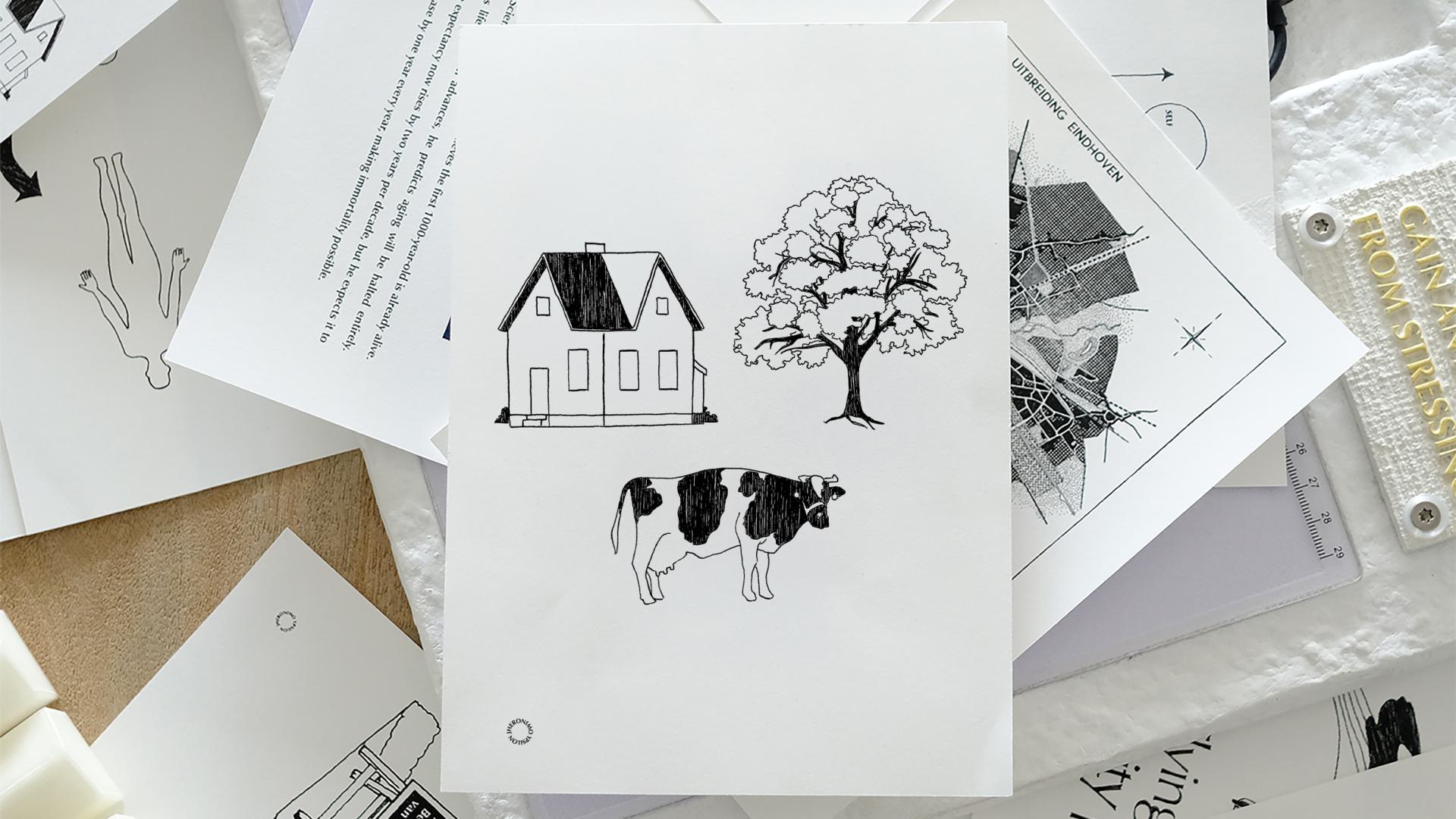
The Dutch proverb “Huisje Boompje Beestje” is a familiar image for many people. It is associated with peace, stability and a sense of coming home. When we, as Jheronimo Ypsilon, began our residency at Trudo, we initially thought this image would be a simple starting point for talking about housing and the future. But it soon became clear that the classic dream of “Huisje Boompje Beestje” is actually about owning things. Your own home, your own garden, your own pet. The ideal assumes that you own, or can own, these things. At a time when ownership is becoming less self-evident for many people, these symbols are losing their former clarity. So we began looking for another kind of stability, one that does not depend on ownership, but on meaning. This is where our research into sentimental value began. It runs as a common thread through all our projects: what makes a place, an everyday object or a situation valuable, even when, on paper, it does not belong to you.
A time capsule
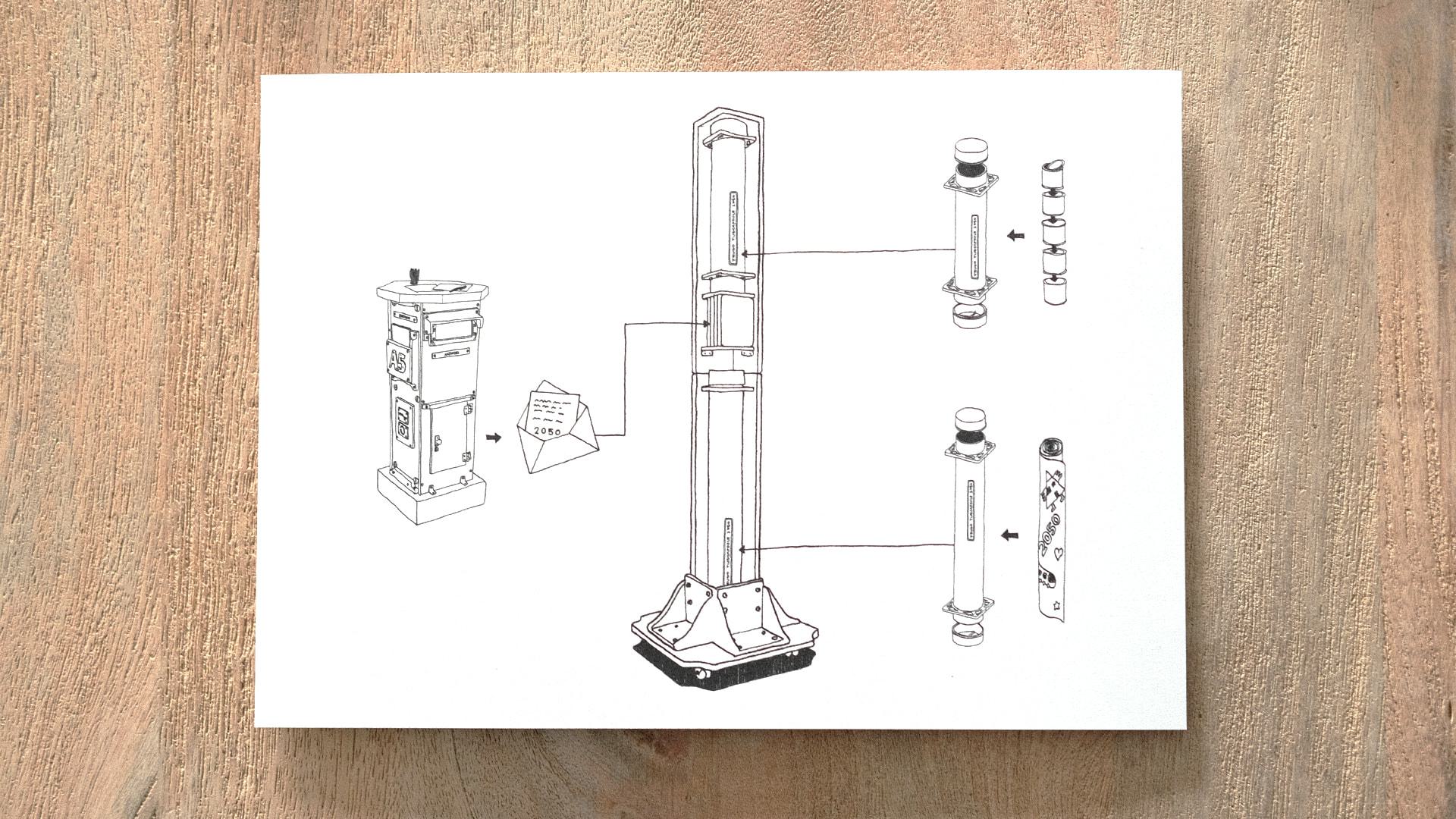
A time capsule reveals that a neighbourhood is not only a physical place, but also a place where memories accumulate. By inviting residents to leave something behind for a future moment, a small ritual of looking ahead emerges. In a sense, residents begin a conversation with future residents. This creates the feeling that you are not simply living somewhere, but becoming part of an ongoing history.
For a housing corporation, the time capsule shifts the perspective from connection in the here and now to connection across time. For first-time residents, this can be especially meaningful. Their first home often feels temporary. By leaving something behind, a small paradox emerges: even a temporary stay can leave a trace. The time capsule makes sentimental value visible, showing that memories do not only emerge spontaneously, but can also be consciously initiated.