We trained personal AI models to make our own experiences and interpretations of art visible.
Situated Access explores new ways of approaching accessibility in museums. Museums often assume that visitors can see, shaping what can be accessed, how artworks can be experienced, and whether a meaningful connection with the work is possible.
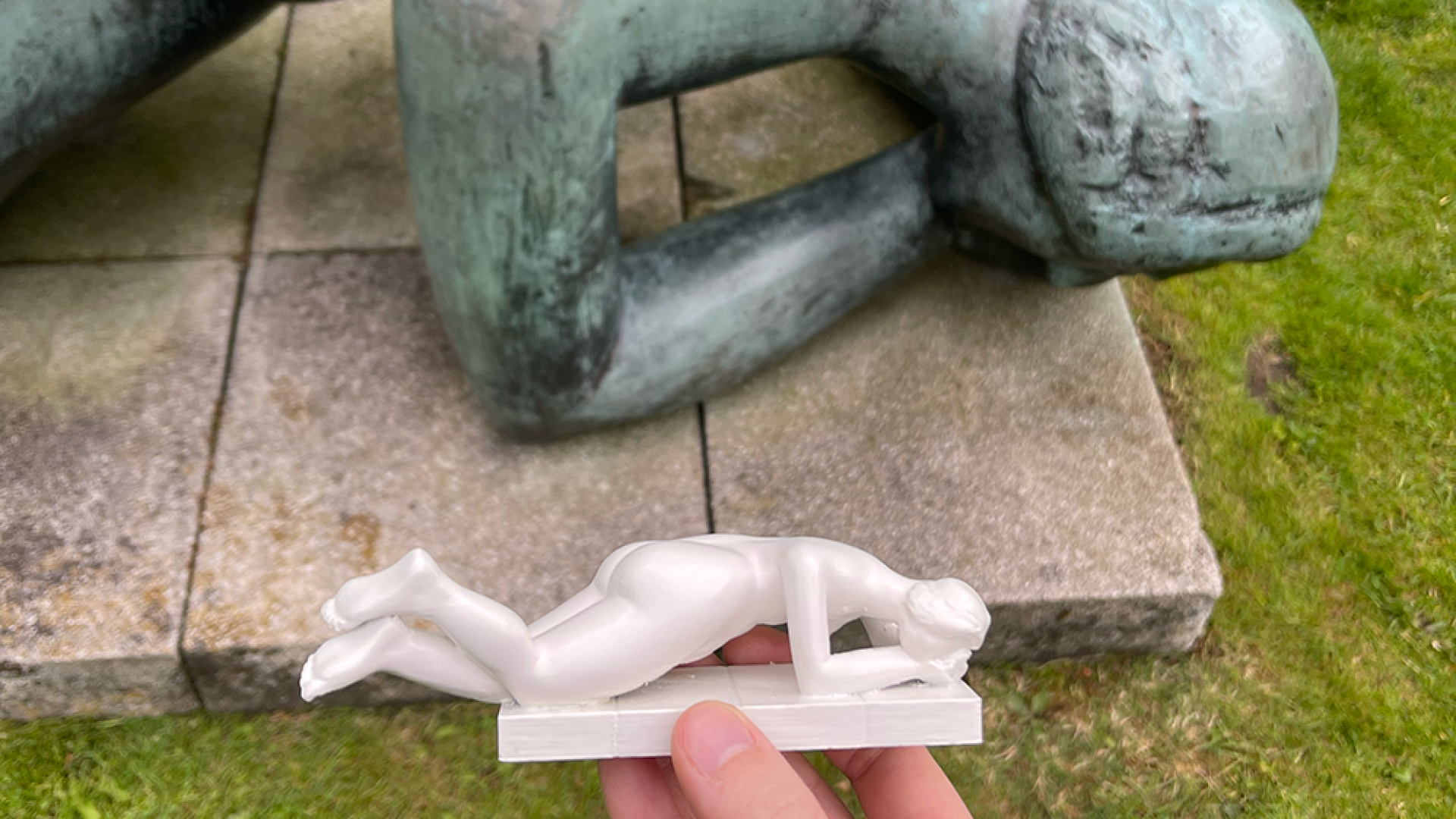
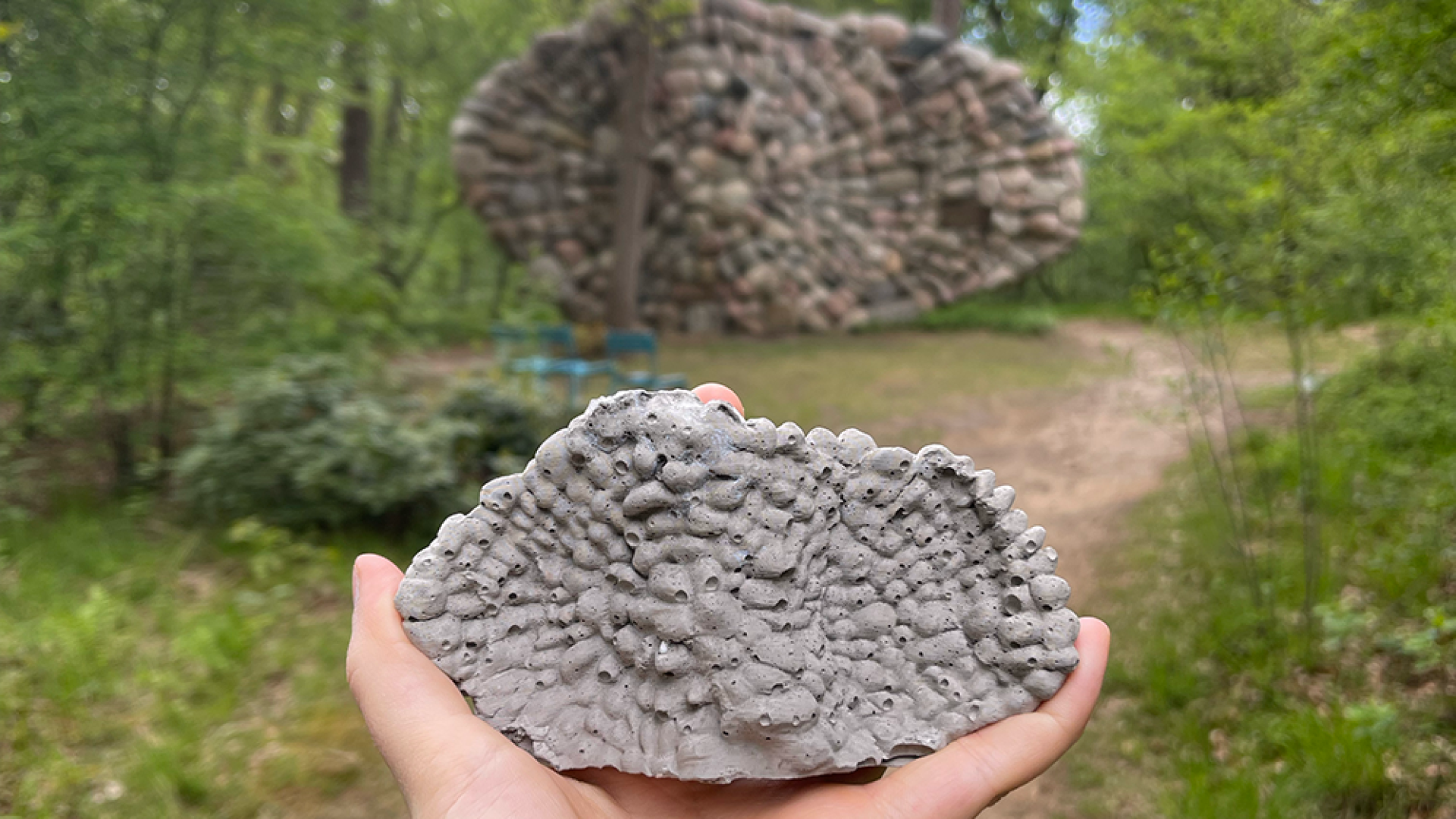
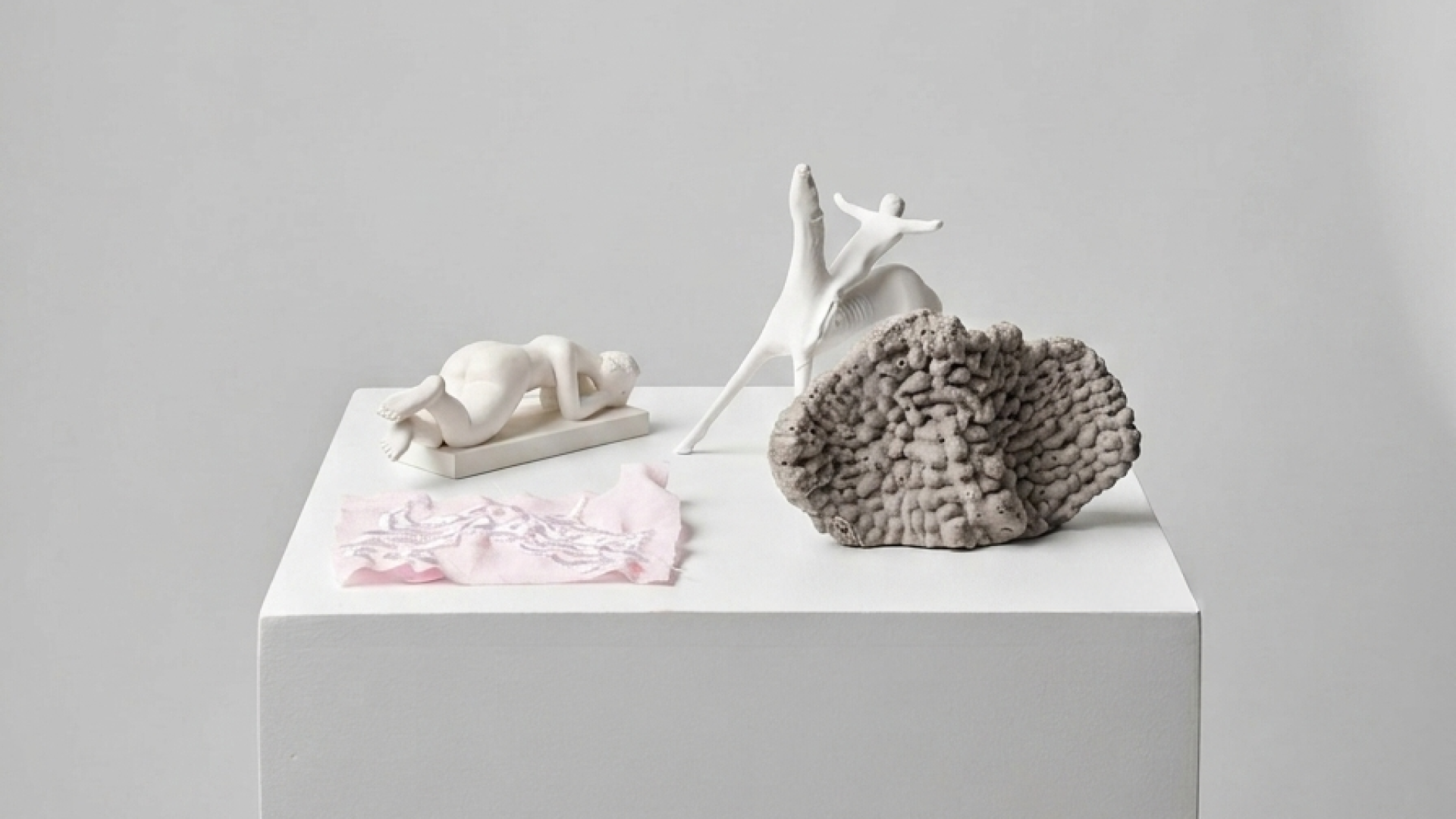
The project was developed in collaboration with the Kröller-Müller Museum in Otterlo and seven participants, each with their own relationship to blindness or visual impairment. Participants trained personal AI models to classify artworks from the museum collection using self-defined affect labels. The models’ often unexpected predictions opened space for conversations about expectations and interpretations that had previously remained unspoken. The project resulted in two designs for the museum: a multisensory tour and a permanent tactile object.
The project explores how training AI classification models can become a way to reflect on our own patterns. By allowing an external ‘something’ to continue our behaviour, it becomes possible to look back at our behaviour from a different, more neutral perspective.