Digital Hoarding and Memory
As digital storage becomes cheaper and cloud capacity continues to grow, people increasingly rely on the cloud to keep photos, files, conversations and traces of everyday life. Cloud storage is no longer just a tool for holding files. It has become an external memory space carrying personal experiences, emotions and memories.
When saving becomes effortless, we are more likely to keep things we do not currently need in case they become useful later. Files tied to particular memories or emotions can also become difficult to delete. More and more is kept, while sorting, selecting and deleting are repeatedly postponed, gradually creating a state of digital hoarding.
Overload makes this often invisible part of digital life visible. Rather than treating digital hoarding simply as poor organisation, the film looks at how saving habits, emotional attachment and digital platforms together shape memory, and how our relationship with memory changes as more of it is entrusted to external systems.
Worldbuilding: The Memory Realm
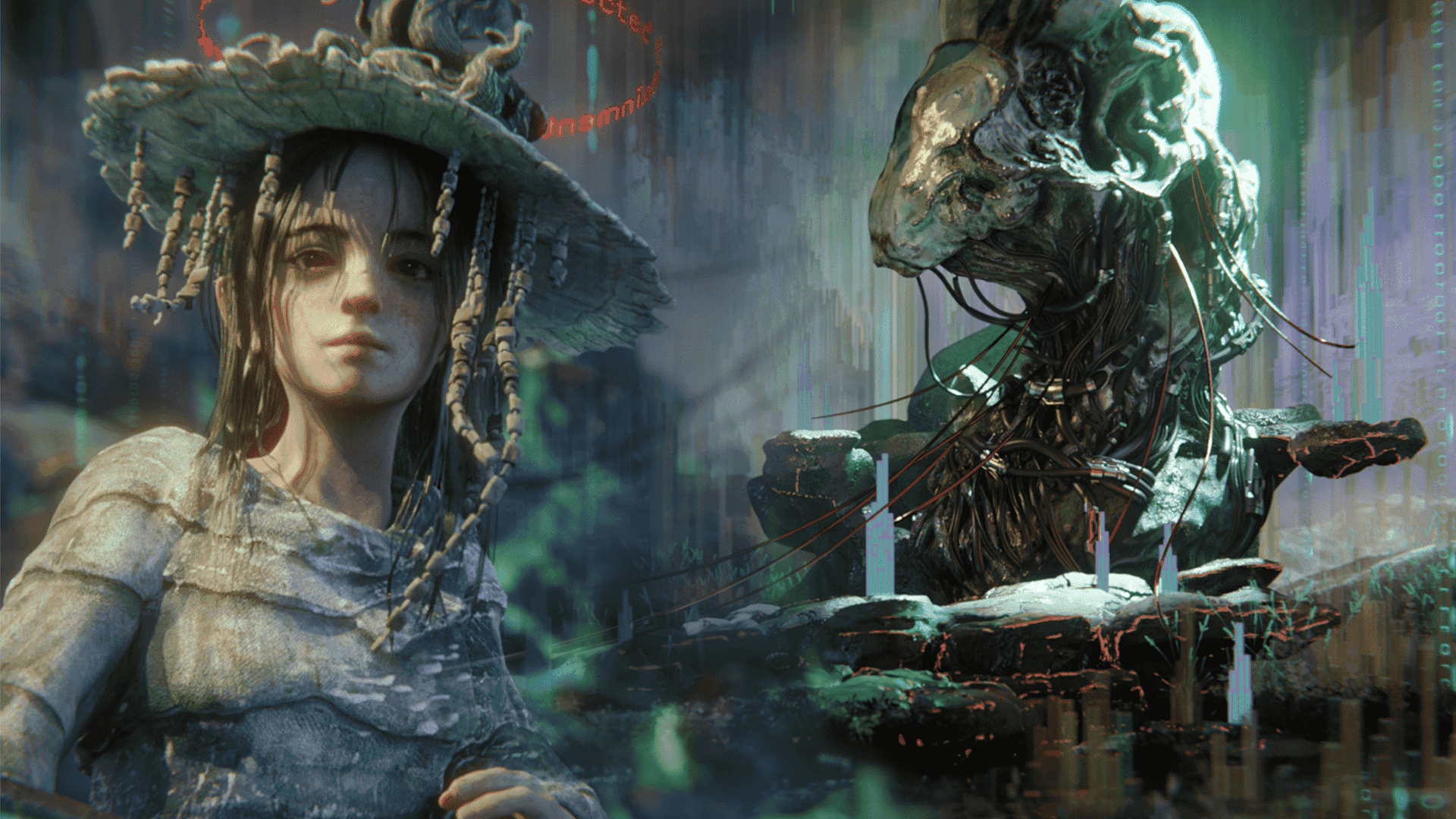
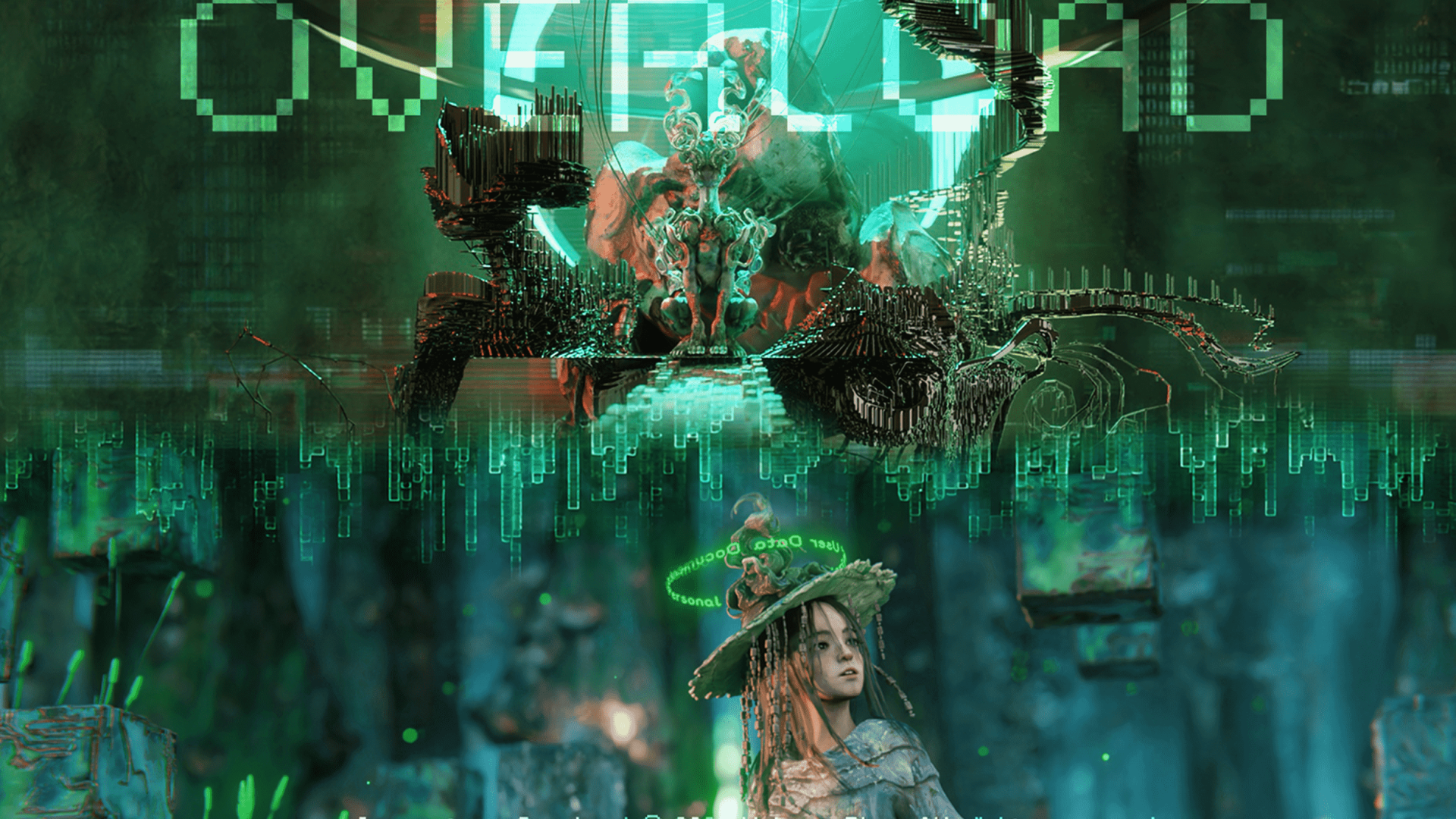
To make our invisible relationship with digital memory tangible, Overload reimagines cloud storage as a fantasy ecosystem shaped by both human memory and machine logic. Rather than a conventional cyberspace, it is a Memory Realm where internal memory and external digital storage overlap.
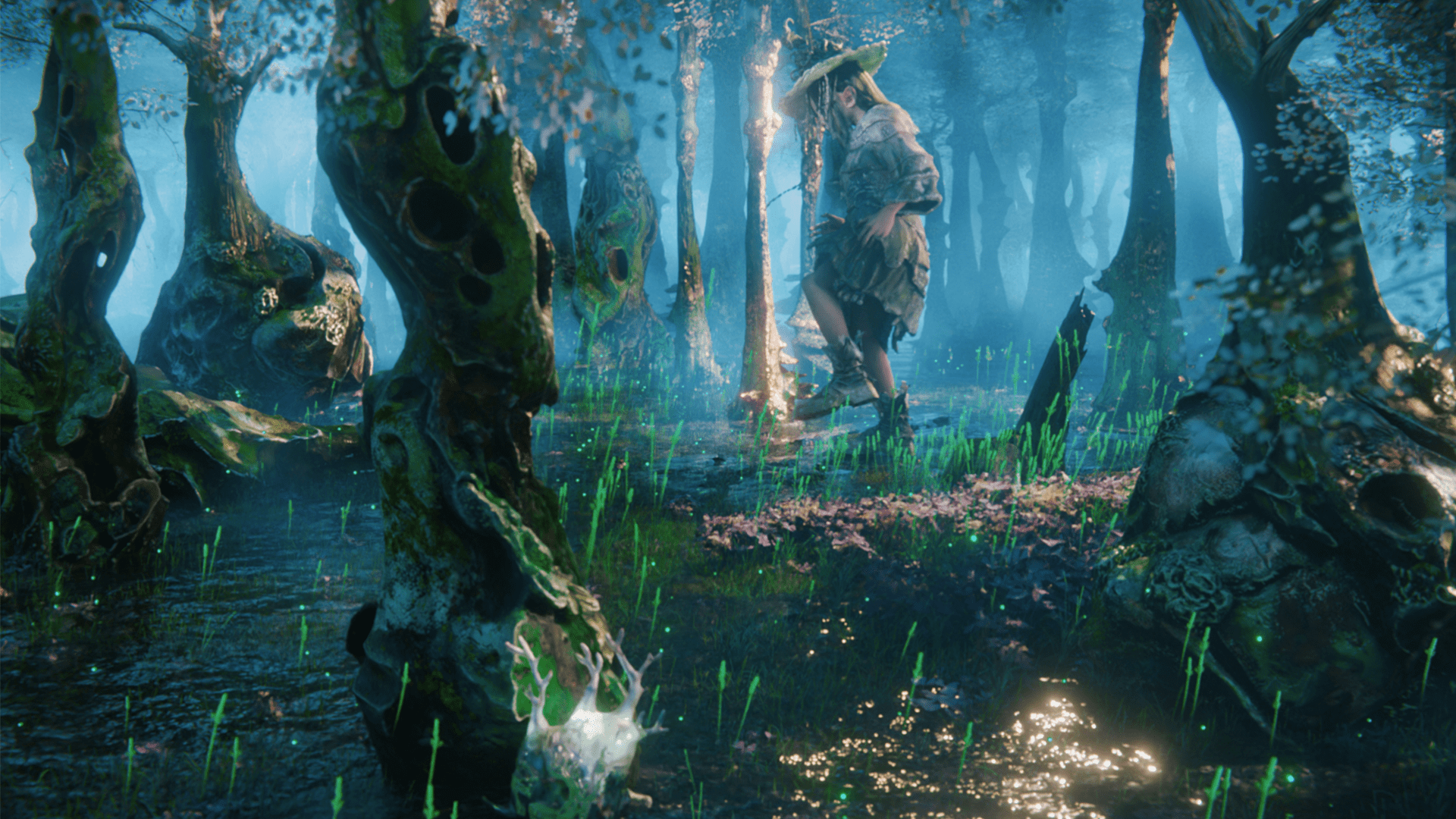
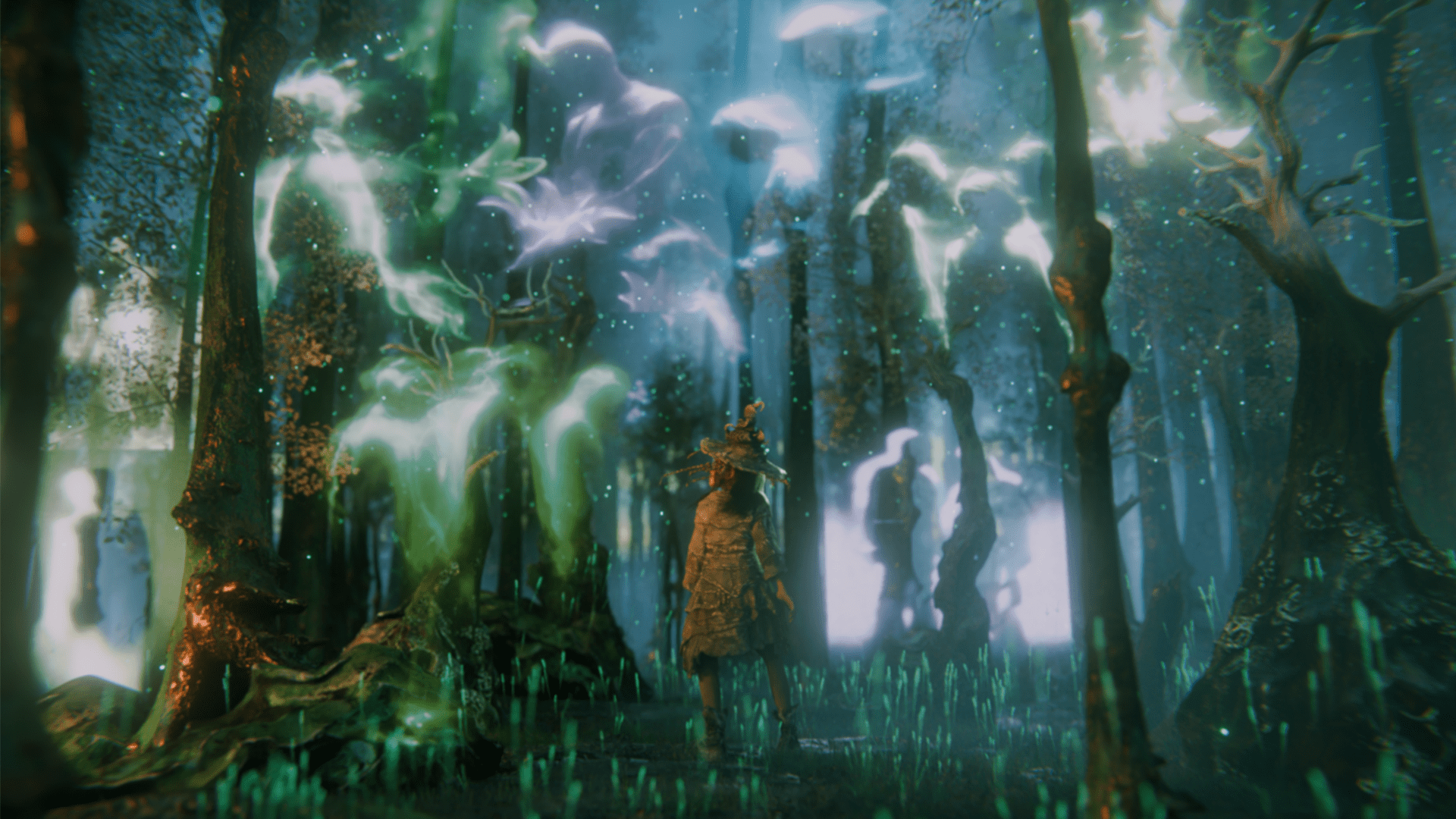
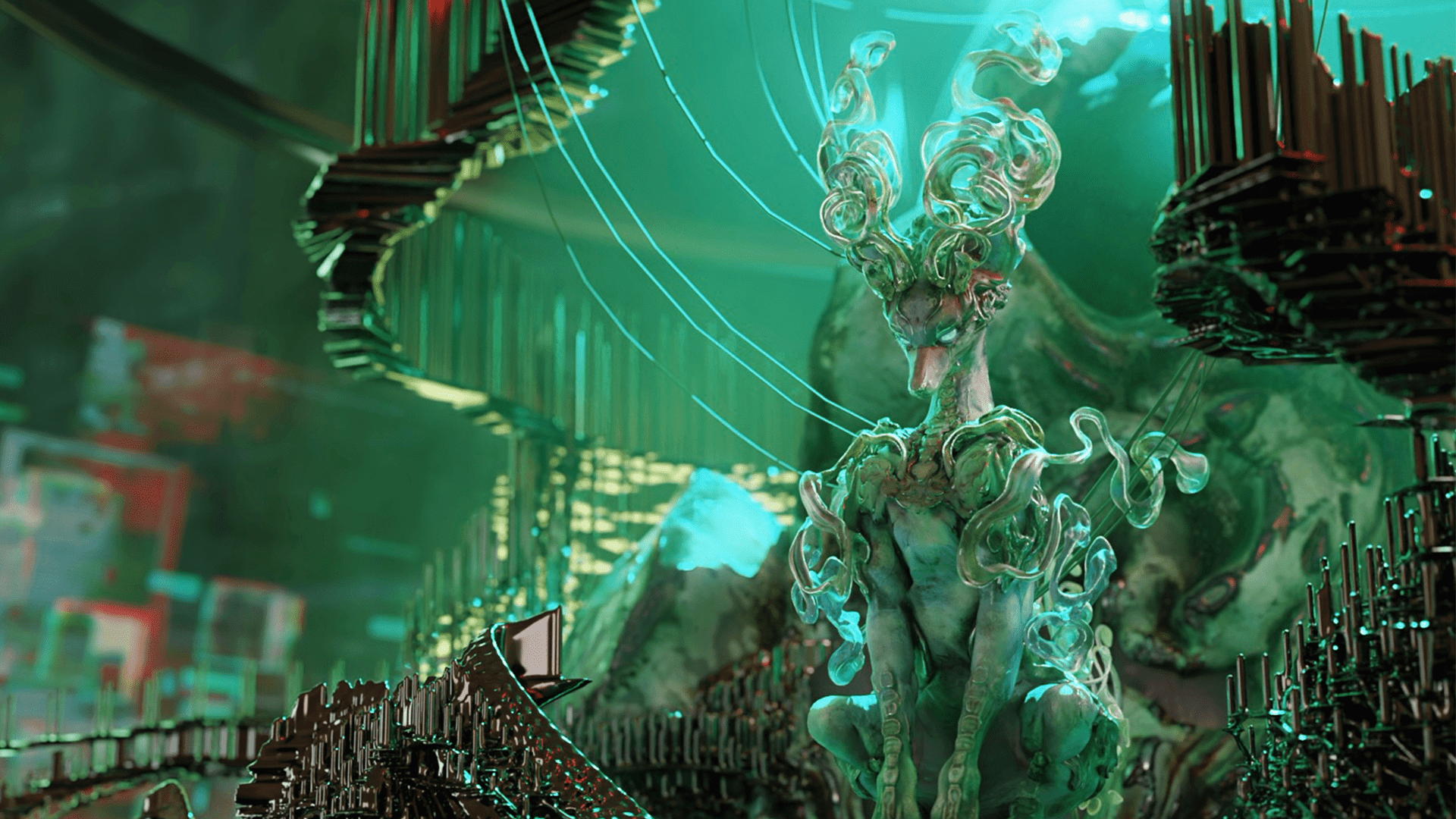
Digital structures become environments that can be seen and experienced. Files grow into creatures, neural networks become forests, and data flows become light and pathways. Accumulated, damaged and forgotten data gradually forms sedimented landscapes and digital ruins. Files also change through different states, moving from active and intact to corrupted and petrified.
The world follows two different logics. Human memory is emotional, associative and subjective, while machines maintain order through classification, sorting, scanning and storage. Together, they shape the environment itself, allowing viewers to understand how this memory system works through changes in space, ecology and form rather than through direct explanation.
Journey Through Digital Ruins
The story follows a digital hoarder who accidentally enters her collapsing cloud storage world. As she travels deeper, its apparent stability begins to break down. She crosses a memory forest managed by the system, watches file creatures become corrupted and petrified, and eventually discovers vast digital ruins formed from forgotten data, broken files and remnants of memory.
The journey changes how she understands this world. The ruins are not simply the result of failed machine management. They also reflect how people increasingly rely on external systems to preserve memory while gradually giving up the active work of sorting, choosing and interpreting what they keep. Technology can maintain order, but it cannot decide why a memory matters.
The film ends openly. The appearance of a fox symbolises human subjectivity re-entering a memory world deeply shaped by digital systems. Rather than offering a clear solution, it suggests that emotion, imagination, choice and storytelling remain essential to how memories gain meaning.