Time Blindness
We all experience time, but we do not necessarily perceive it in the same way. For some, the distance between now and later can feel surprisingly abstract. A few minutes can disappear unnoticed, while an hour can feel impossibly long. This experience is often described as time blindness.
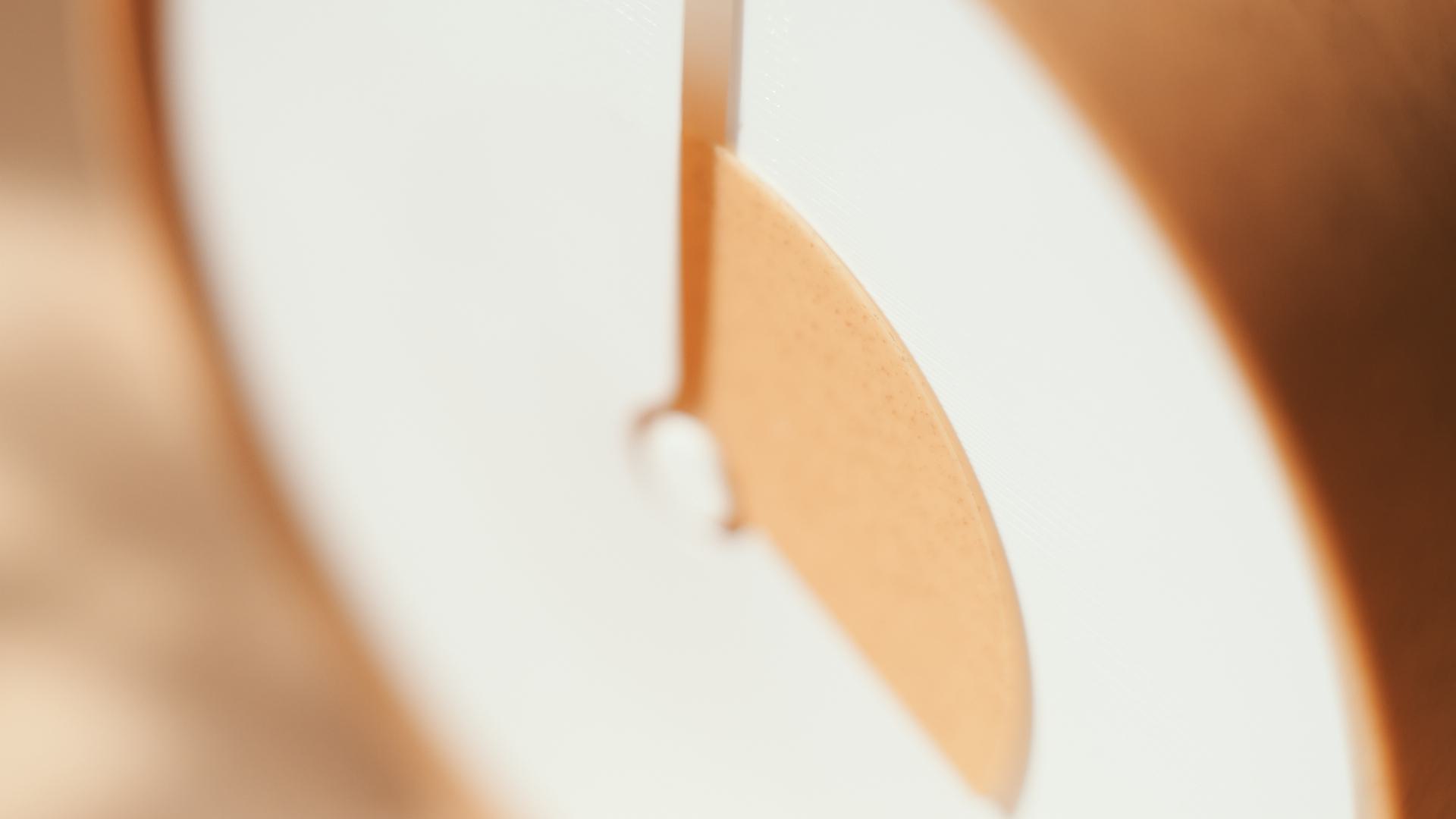
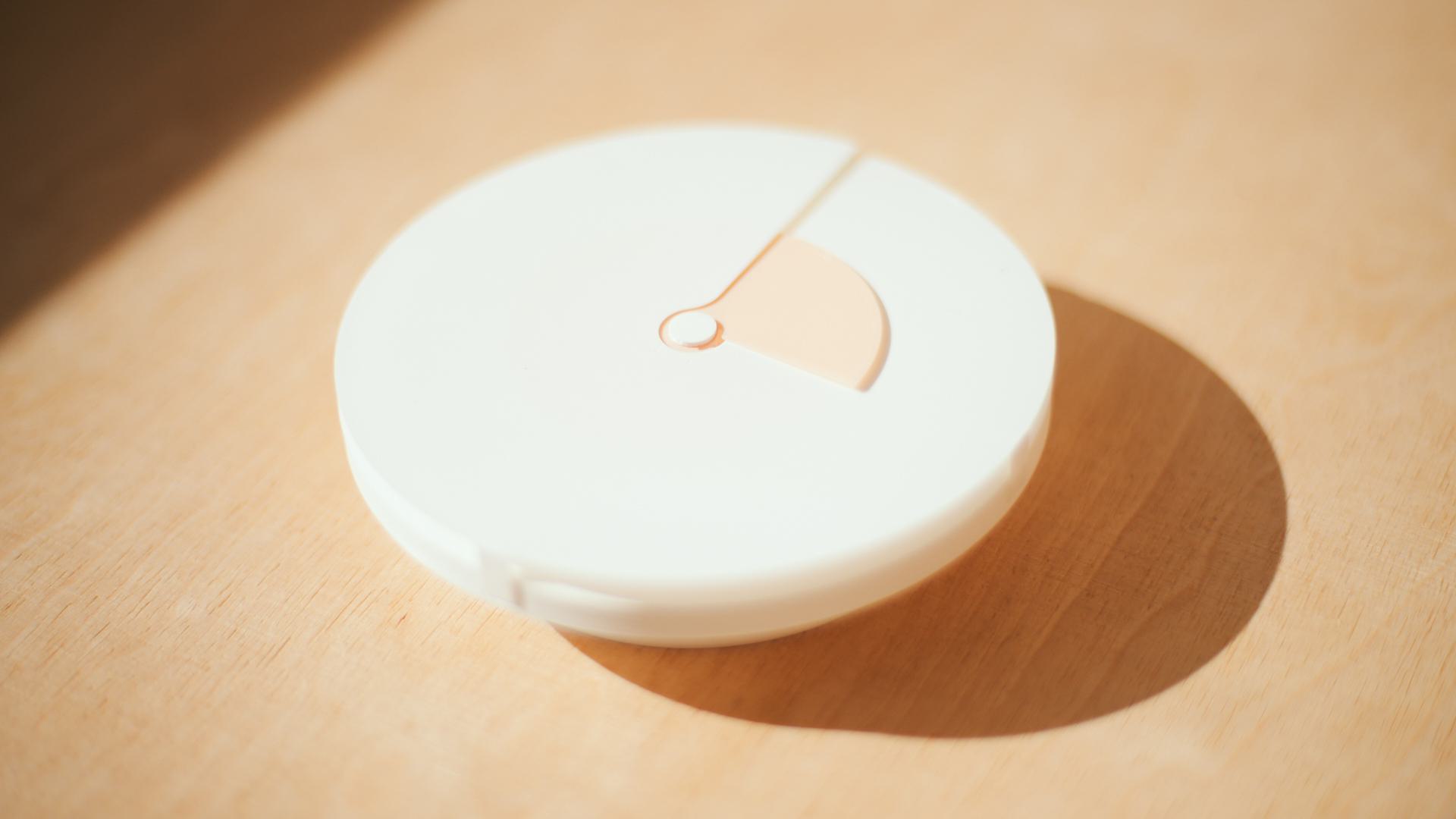
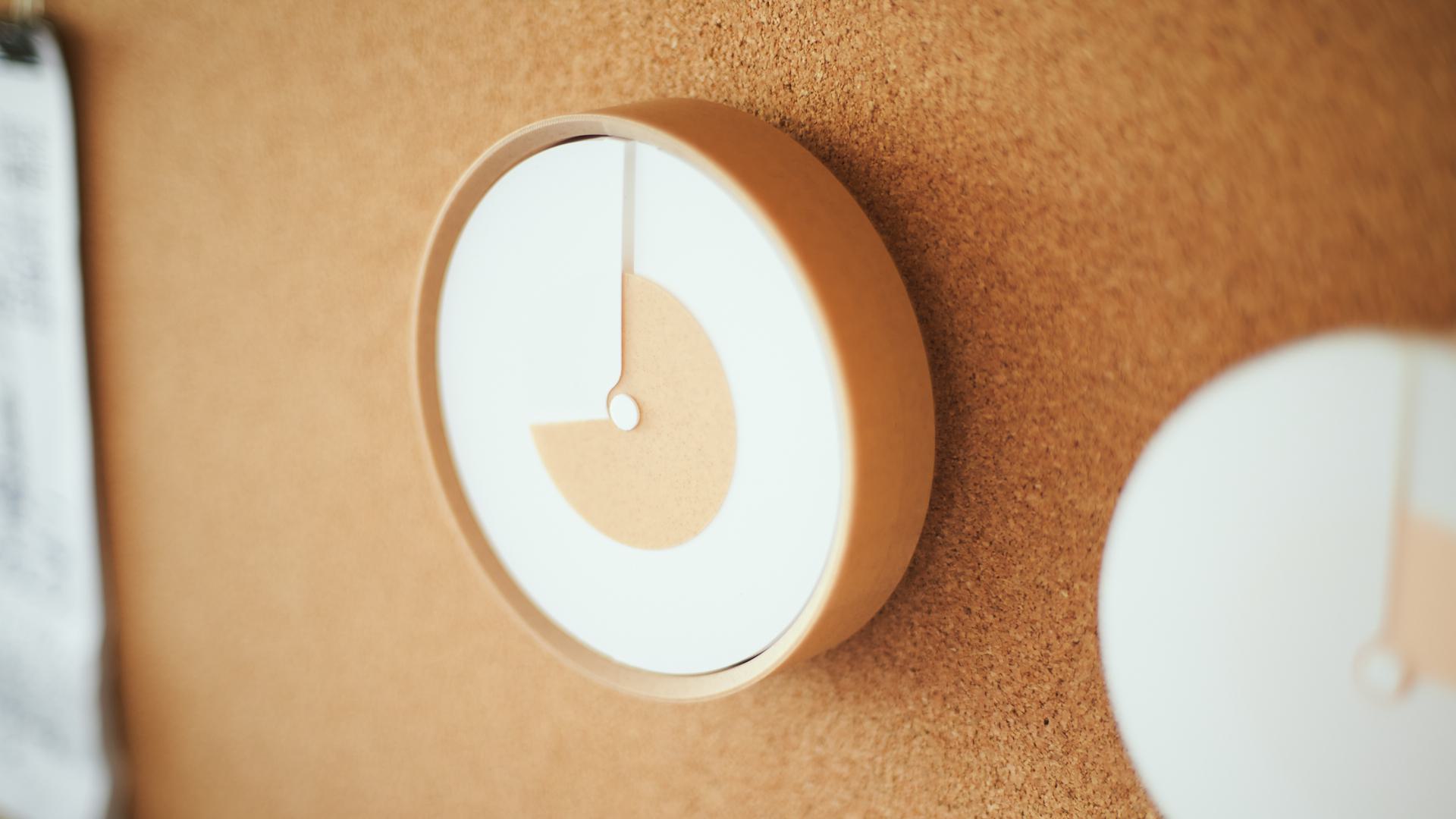
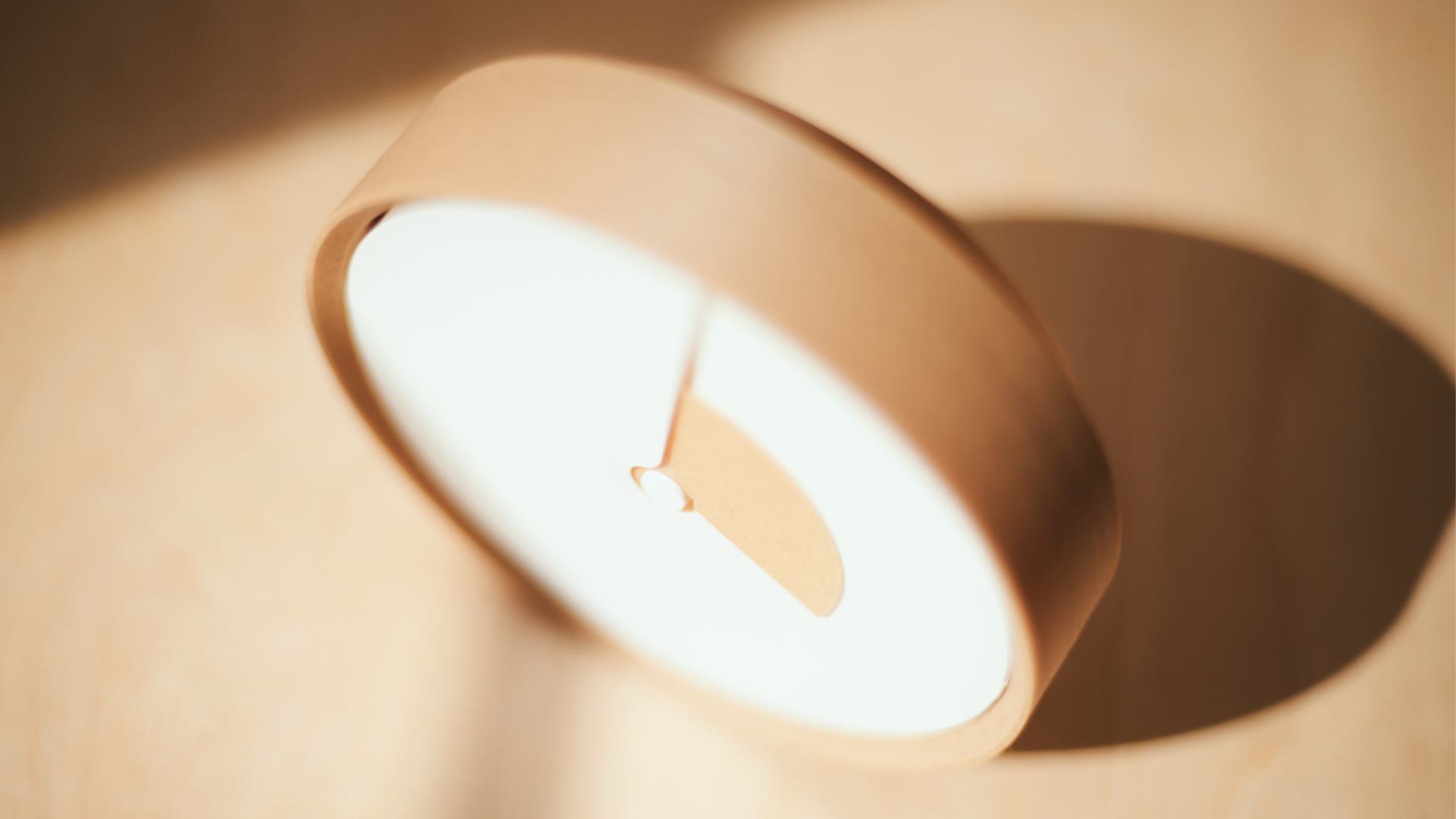
PELA takes this difference in perception as its starting point. Rather than showing the exact time through numbers and hands, it visualises the day as a constantly changing circle. The inner disc gradually emerges between midnight and noon, then slowly disappears again between noon and midnight. Its position gives an immediate sense of how much of the day has already passed — and how much is still ahead, creating a visual and tangible anchor for those who struggle to estimate or keep track of time.
It is an invitation to experience time differently, with less emphasis on precision, productivity and the pressure of always being on schedule. A point of orientation in the continuous flow of the day.
Infinite Movement
At the heart of PELA is a simple continuous movement. Two interlocking discs form an ever-changing composition: the inner disc moves at the speed of an hour hand, continuously emerging from and disappearing into the larger disc through a specially developed rocking mechanism.
Together, the two forms create a circular diagram of the day. From midnight to noon, the inner form becomes increasingly present; from noon onwards, it gradually retreats. The same movement repeats every 24 hours, creating an infinite cycle with no distinct beginning or end.
We deliberately chose a physical, analogue approach. Rather than adding another screen, notification or layer of information to everyday life, PELA occupies a space between object and instrument. Its movement is quiet, continuous and tangible — a reminder that time is passing whether we measure it or not.
A Sense of Time
PELA does not try to make time more precise. It does almost the opposite. By replacing exact numbers with movement, proportion and form, it turns an abstract concept into something that can be intuitively perceived.
The name PELA reflects this idea. It comes from the Thai word เพ-ลา (/pʰeː laː/), an old term related to timekeeping. It evokes a relationship with time that predates the precision and constant availability of modern clocks — a time that was perhaps less exact, but also less governed by the clock.
There is something deliberately ambiguous about the object: at noon, half of the day has already happened and half is still to come. As the disc emerges, the day appears to unfold; as it disappears, the day seems to recede. Past and future become part of the same visual language. Rather than telling us exactly where we are, PELA leaves room for perception, interpretation and a more relaxed relationship with time.