Connecting Elements
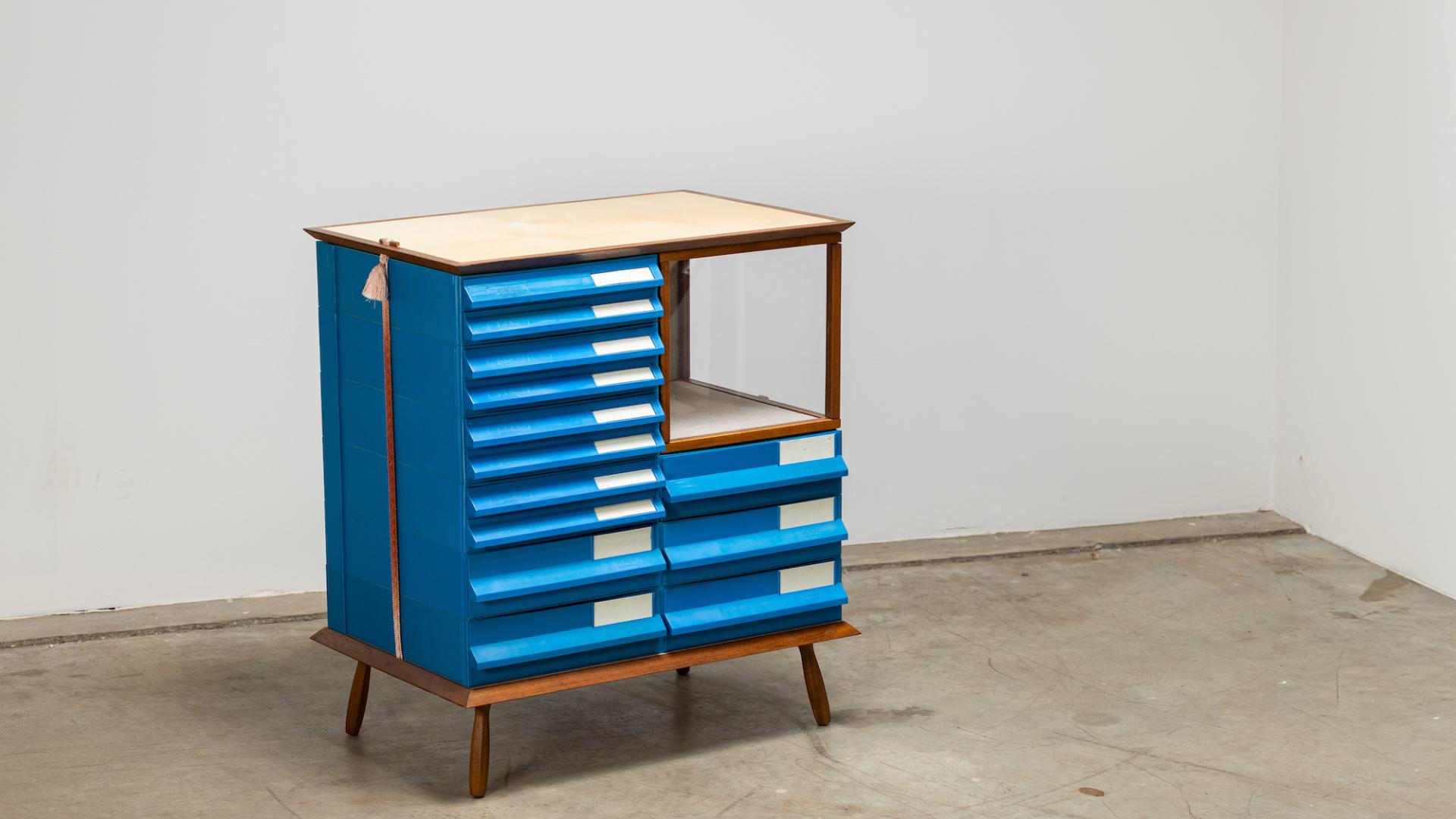
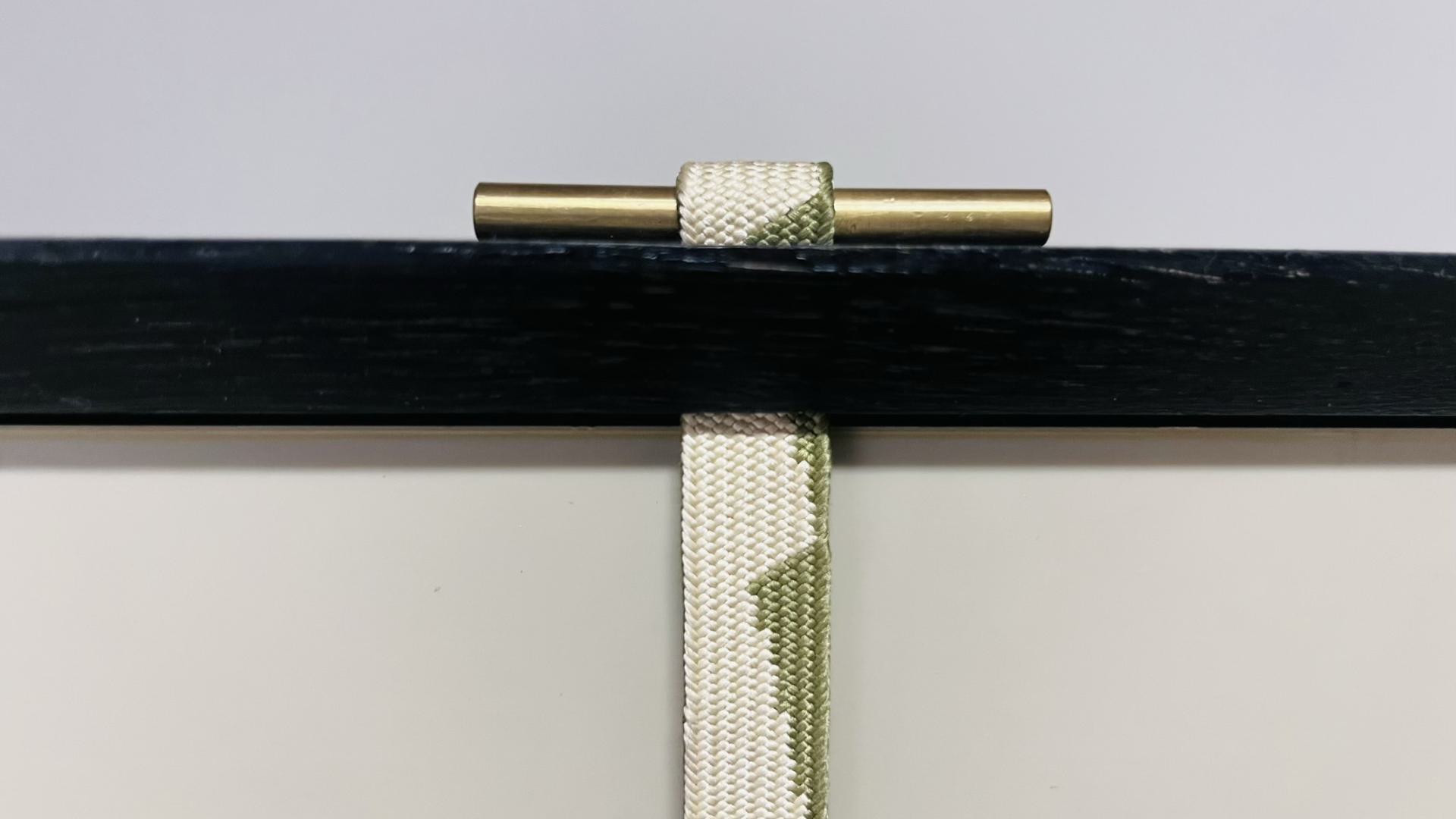
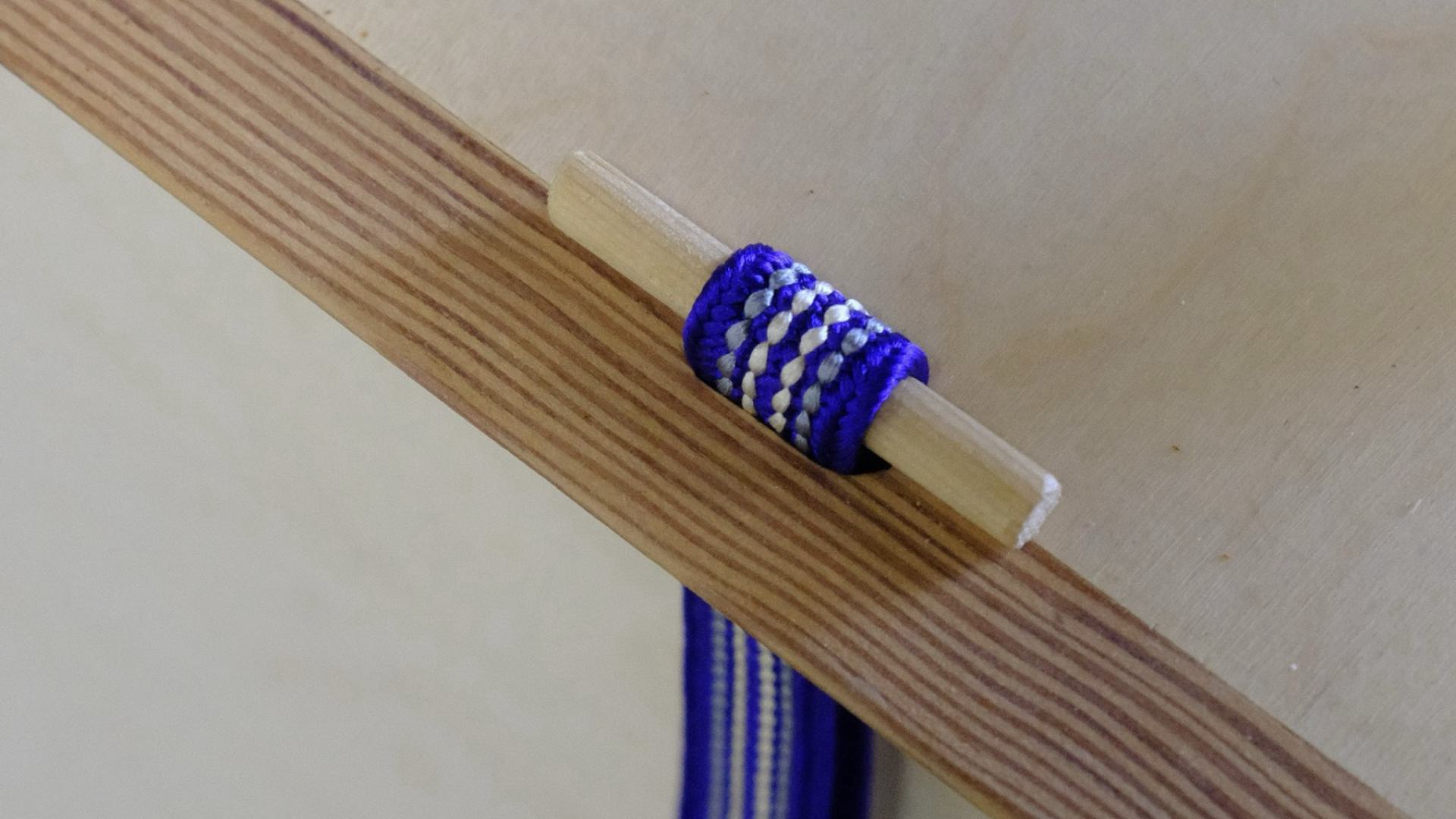
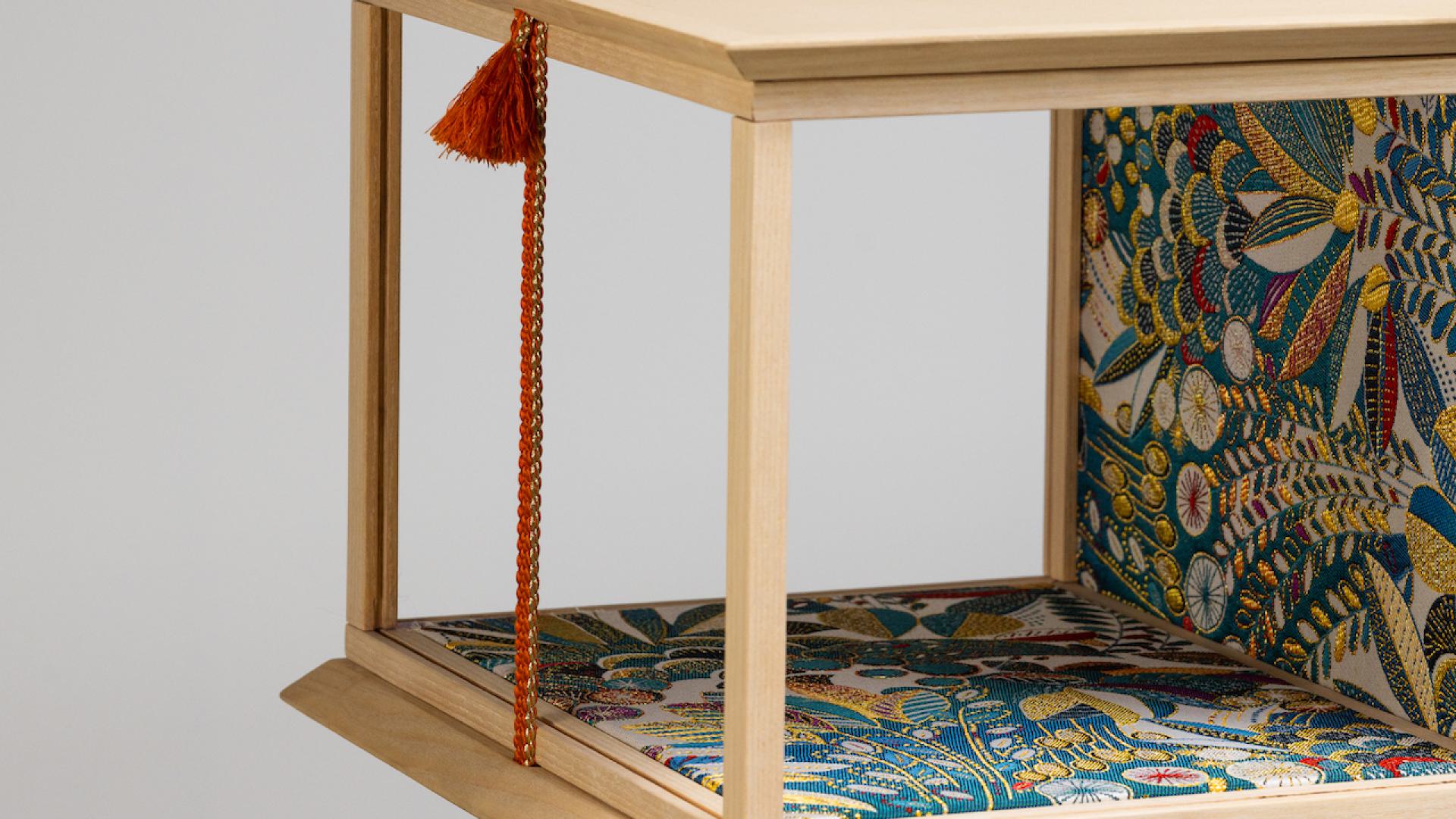
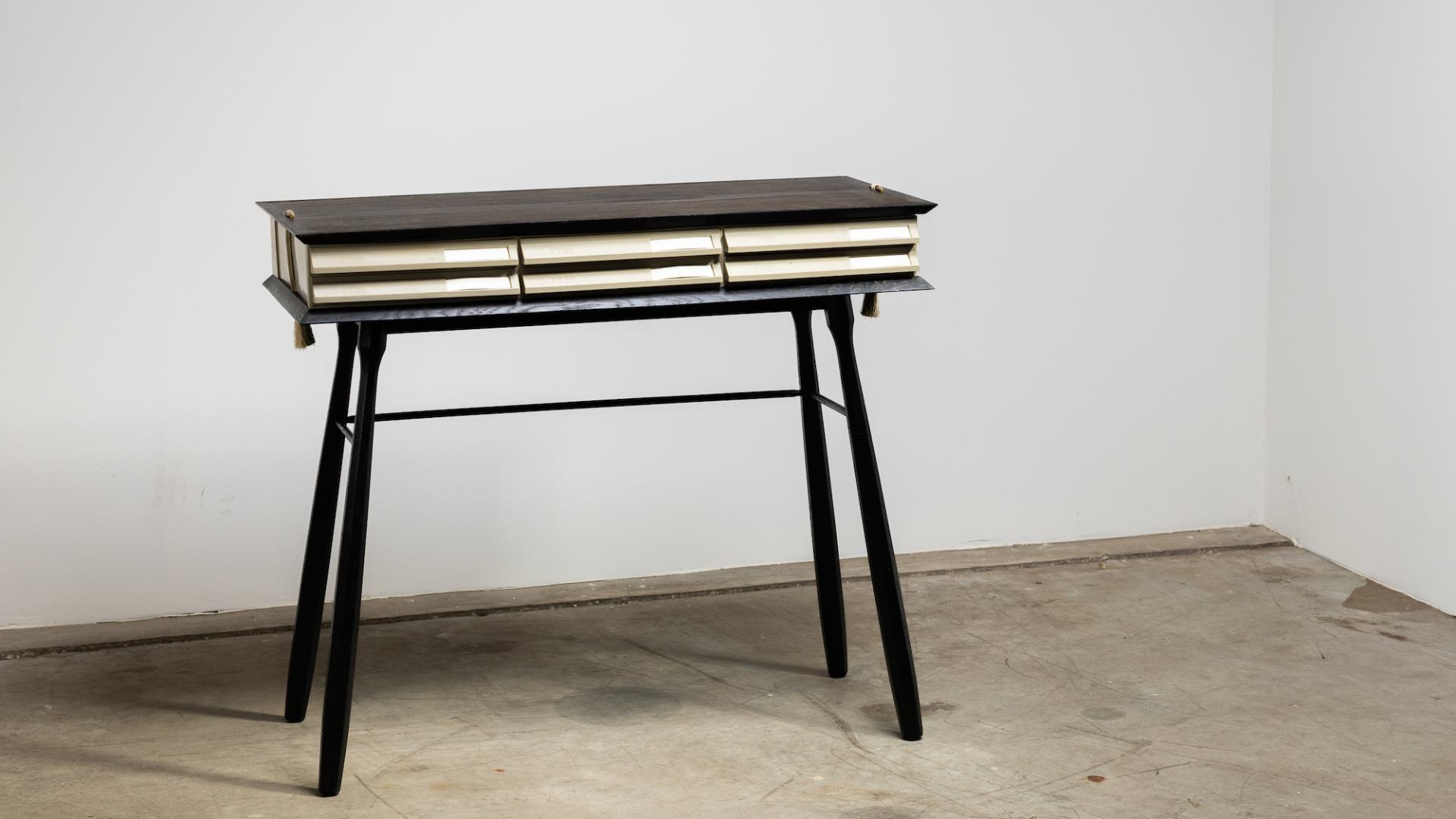
We integrate the cord into our designs as a conceptual and aesthetic feature as well. By positioning it as a connecting element, we give the cord a new function and value. The central idea is simple: “without the braid, the design falls apart.”
The design language draws inspiration from everyday Japanese architecture. Within the interior, the cabinets become miniature buildings.
Our furniture combines traditional techniques with contemporary materials. Stackable and modular elements are connected by the cord. These elements are, in turn, made from reclaimed PAS drawers, a modular drawer system from the 1970s and 1980s. They are combined with display cases or cabinet components that can be stacked horizontally and vertically.
Kumihimo
Kumihimo is a traditional Japanese art form and a craft for making and braiding cords. KUMU is derived from the Japanese verb kumu (組む), which means to braid, weave, or connect.
For centuries, kumihimo cord was an essential part of Japanese life. Without it, both the samurai armour and the kimono would lose their functionality. The cord held the armour together and secured the pouch and obi belt worn with a kimono.
Today, only a small number of workshops and factories in Japan still produce these cords, either by hand or by machine. For this project, we collaborated with Showen Kumihimo in Kyoto, Japan.
The Essential Braid
The result of this collaboration will be presented in a historic train carriage at the TT Building on Strijp-T. The presentation will also include an introduction to the process of making kumihimo braids.