Interview with Beacon Emma van der Leest
Biodesigner Emma van der Leest has been working at the intersection of design, biology and technology for more than ten years. She founded BlueCity Lab and has been involved with the international Biofabricate Summit for many years. In her own design practice, she explores not only how we can draw inspiration from nature, but how we can design with living organisms.
During Dutch Design Week (DDW) 2026, Emma is one of the Beacons (ed. ambassador). With her exhibition The Biodesign Warehouse – Department Store For Life, she shows how biodesign can move from the lab towards products we might simply encounter on the high street in the future. We spoke to her about designing with living systems, the future of biodesign and DDW.
Where might people know you from?
“I’m a biodesigner and have been working at the intersection of design, biology and technology for more than ten years. People might know me from projects such as BlueCity Lab in Rotterdam, the international Biofabricate Summit, various exhibitions I’ve curated and the talks I give.
My fascination with biodesign began while I was studying at Willem de Kooning Academy. As a student, I worked at places including Waag and Mediamatic, where I saw what can happen when artists, designers, scientists and technologists experiment together. I wanted to create a place like that in my own city, Rotterdam. So in 2016, I founded BlueCity Lab, where entrepreneurs, researchers and students work on circular innovations and new applications for waste streams. From the start, it was important to me that a lab like this shouldn’t only be accessible to scientists. Interesting things happen when different disciplines come together. A designer asks different questions from a microbiologist, while an entrepreneur looks at a material or process from yet another perspective.
My graduation project Form Follows Organism – The Biological Computer formed the basis for my own design practice. With this project, I explored how you can design not only by taking inspiration from nature, but actually with a living organism.
Another important development began during my internship in London with Suzanne Lee, founder and CEO of Biofabricate. Through her, I became involved with the international Biofabricate Summit. I’ve now been involved with it for around ten years.
People might also know me from Fungkee Supercoating, which began after I won the Bio Art & Design Award in 2019. Together with a professor from Radboud University, I explored how fungi could be used to create a fully biobased, water-repellent coating. This project is still very much in development.”
What made you say yes when we asked you to become a DDW Beacon?
“It’s a huge honour to be a Beacon of DDW26! I’ve been coming here as a visitor for a very long time. So it’s very special to me personally, but I also really see it as recognition of a much broader field: all the designers, researchers, scientists and entrepreneurs who have been working on this for years.
I’ve put a lot of energy into connecting people and organisations: designers with scientists, students with researchers, start-ups with companies, and education with industry. Biodesign can only grow if knowledge is shared and people know how to find one another. Cooperation is the new competition isn’t just a saying for me; it’s something I genuinely try to put into practice.
When I graduated in 2015 with Form Follows Organism, there was still quite a lot of misunderstanding. Why would a designer work with bacteria, fungi and cells in a laboratory instead of wood, metal, ceramics or plastic? I really had to fight to make people understand that this is a design practice too. So when DDW asks you to become a Beacon more than ten years later, it does feel like a moment when you think: okay, all that work really is being recognised. And that’s amazing, of course.”
What would you like to pass on to the next generation of designers?
“Stay curious, keep making and don’t be afraid of not knowing something yet. When I started working with biodesign, I didn’t know exactly where it would lead either. I mainly wanted to understand how organisms work, what they can produce and what happens when you make that knowledge part of a design process.
For me, biodesign really is a craft. You can read a lot about an organism or material, but ultimately you have to work with it to get to know it. You experiment, observe, make mistakes and start again: think, make, do, fail, repeat.
And don’t try to be able to do everything yourself. As a designer, you don’t also have to be a microbiologist, chemist, engineer, ecologist and entrepreneur. Find people who know the things you don’t. It’s precisely in these collaborations that a designer can play an interesting role, because we’re used to connecting different worlds and imagining something that doesn’t yet exist.”
What are you most looking forward to at DDW?
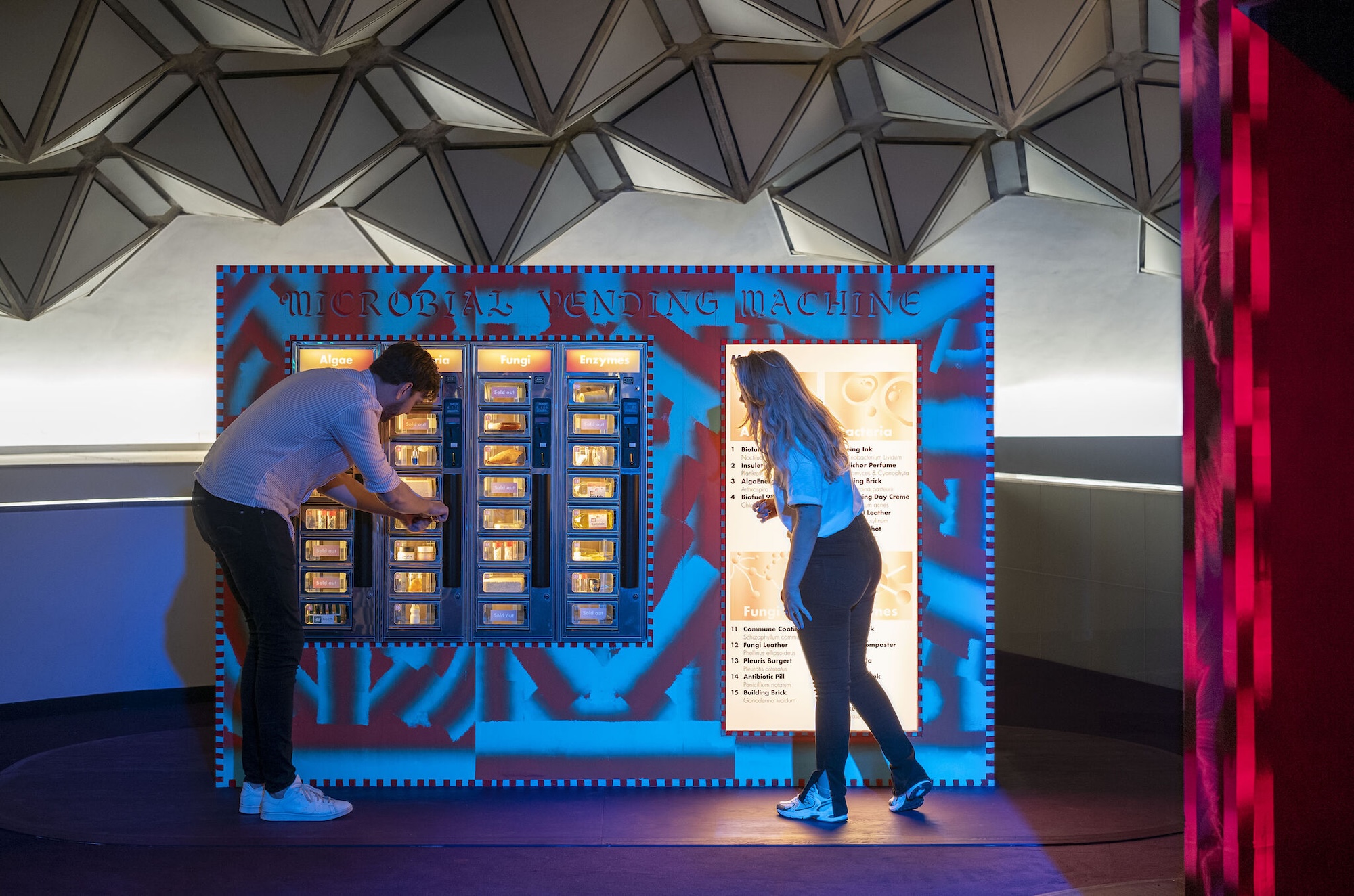
“Seeing visitors’ sense of wonder! With The Biodesign Warehouse, I want to go beyond the material samples and experimental prototypes that biodesign is often associated with. That’s why I was interested in using a department store as the format. Everyone understands a department store. You see cosmetics, clothes, shoes, bags and things for the home. So you don’t first have to understand exactly what biodesign is. You see a bag, a piece of packaging or a cosmetic product and think: wait, can this be made like this too?
My dream is a kind of green Koopgoot (ed. shopping street in Rotterdam), where one day you can simply buy biobased or biofabricated products – not as niche products costing four hundred euros, but affordable and accessible to everyone. Technically, we can already do an incredible amount, but industry, economics, regulation and production chains don’t always move at the same pace.
I hope visitors at DDW first think: wow, is this already possible? And then: but if it is, why don’t I see it everywhere yet? For me, the interesting conversation lies between those two questions.”
What can visitors expect from The Biodesign Warehouse?
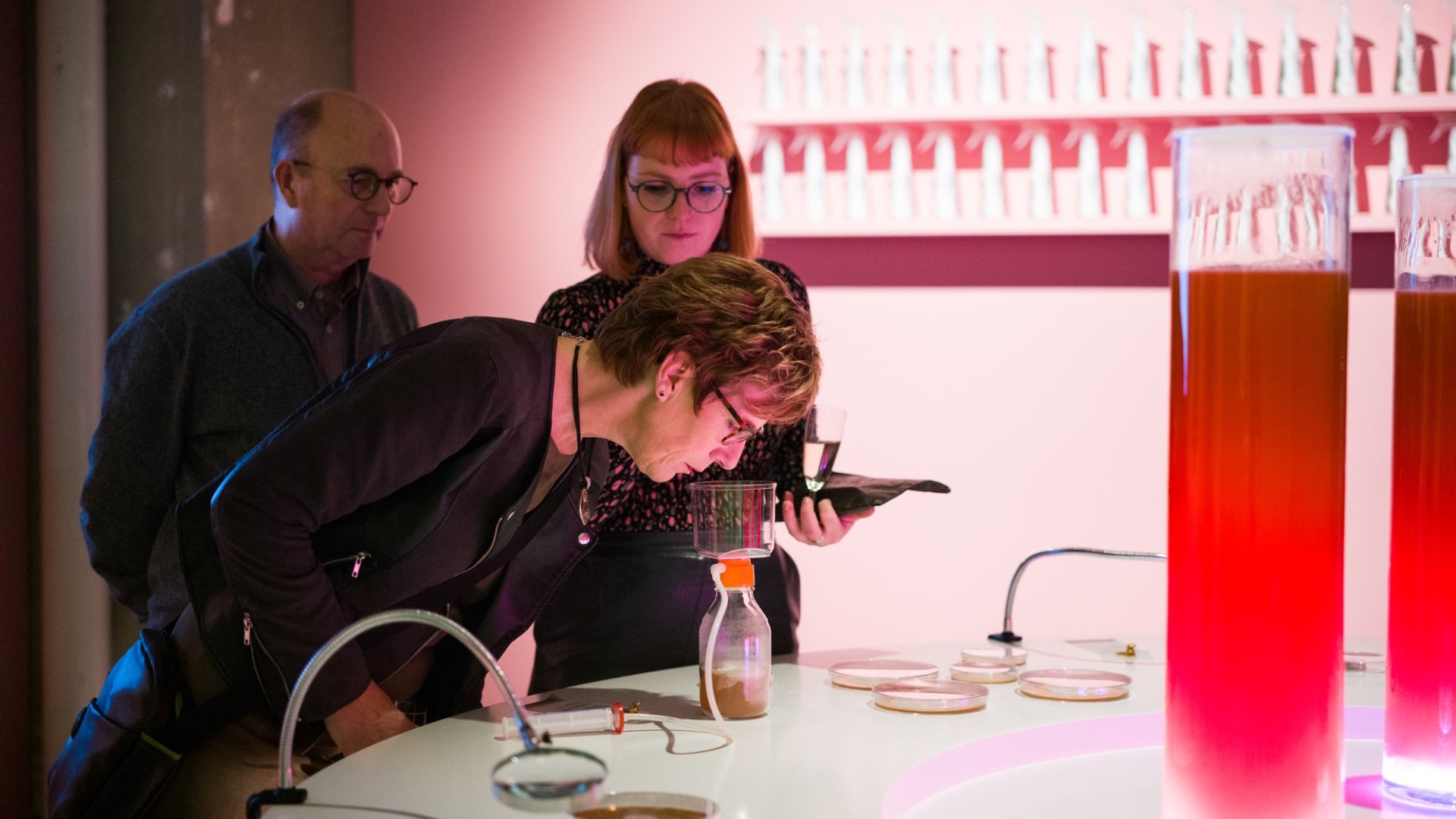
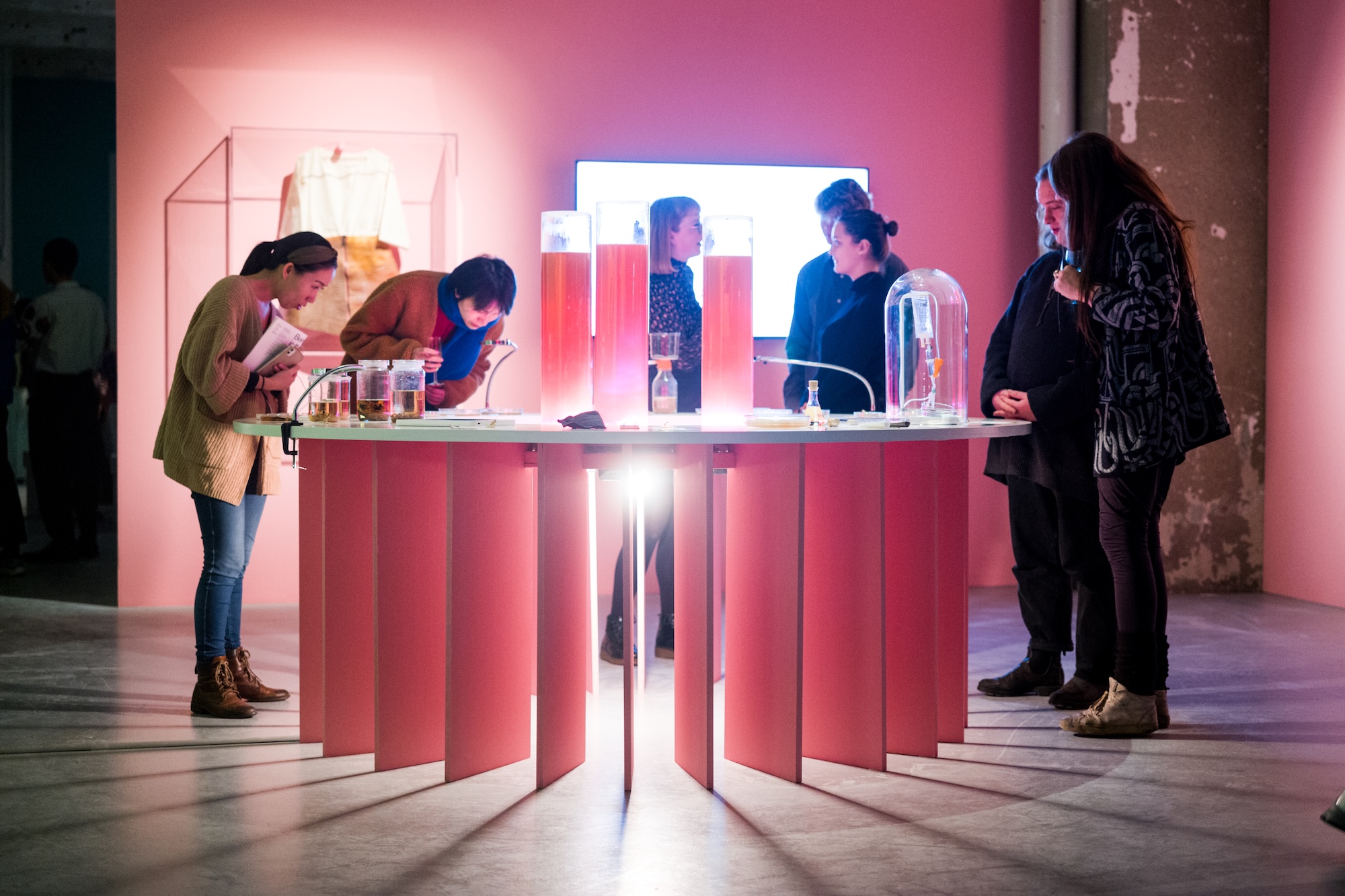
“With The Biodesign Warehouse – Department Store For Life, I connect the familiar world of a department store with the worlds of science and biology. I want to show what happens when you take the next step: from material to product and from laboratory to department store.
Think of fermenters in which new raw materials are grown, yeasts that produce colour for textiles or cosmetics, or coatings, building materials and packaging created through biological processes. You start with something familiar, such as a shoe, a piece of clothing, a jar of cream or a building material, and then discover the biological process behind it.
I also want to change the way we relate to microorganisms. We often see bacteria and fungi as things we need to fight, even though we depend on them enormously. What happens if we start seeing them as allies too? As organisms that produce colour, turn waste streams into raw materials, grow materials or help purify water?
Over the years, I’ve realised that we shouldn’t start seeing nature as a new material library from which we can endlessly extract solutions. We are part of nature ourselves. And when you take that as your starting point, you begin to see things differently, which means you also start designing differently: what materials, waste streams and knowledge are already available locally?
The department store doesn’t just show what is already possible, but also raises questions about what could become possible.”
Do you have a tip for DDW visitors?
“Above all, don’t try to see everything. Venture beyond the places you automatically end up at. At locations such as BioArt Laboratories or Sectie-C, you often come across work by people who are right in the middle of their process. That can be incredibly interesting!
Also visit a talk or workshop and talk to the makers and designers. Sometimes you see a small piece of material and think, ‘okay, nice’, but when you ask about it, you discover that someone has spent three years researching it. Once you hear the story behind it, you look at a design or project in a completely different way.
And let chance guide you a little too. For me, the best thing about DDW is that sometimes you walk out having discovered a subject you didn’t even know you were interested in half an hour earlier.”
Emma at DDW26
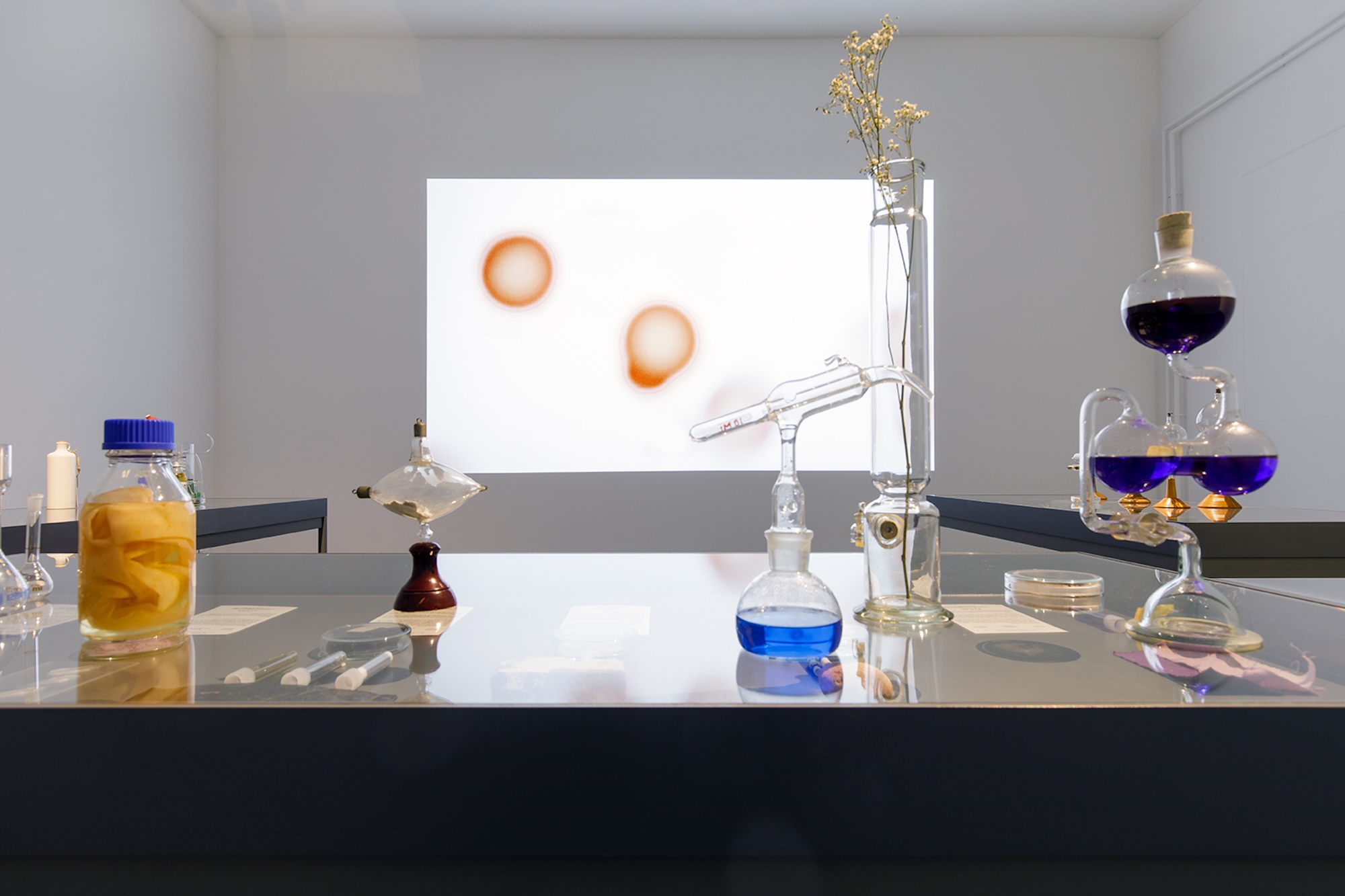
During DDW26, Emma brings these ideas to life in different ways. In The Biodesign Warehouse – Department Store For Life, biodesign becomes a familiar shopping experience: from clothing and cosmetics to coatings, packaging and building materials. These aren’t distant visions of the future, but applications that show just how much is already possible with living organisms and biological processes.
Her long-running research project Fungkee Supercoating will also be on show at DDW. In it, Emma explores how fungi can contribute to a fully biobased, water-repellent coating: a project that shows how innovation rarely follows a straight line, but instead involves experimenting, stopping, starting again and continuing to develop.
Curious? Discover The Biodesign Warehouse – Department Store For Life and Fungkee Supercoating during DDW26. We’re curious to see what new questions will emerge after a visit to Emma’s department store.