From Waste Paper to New object
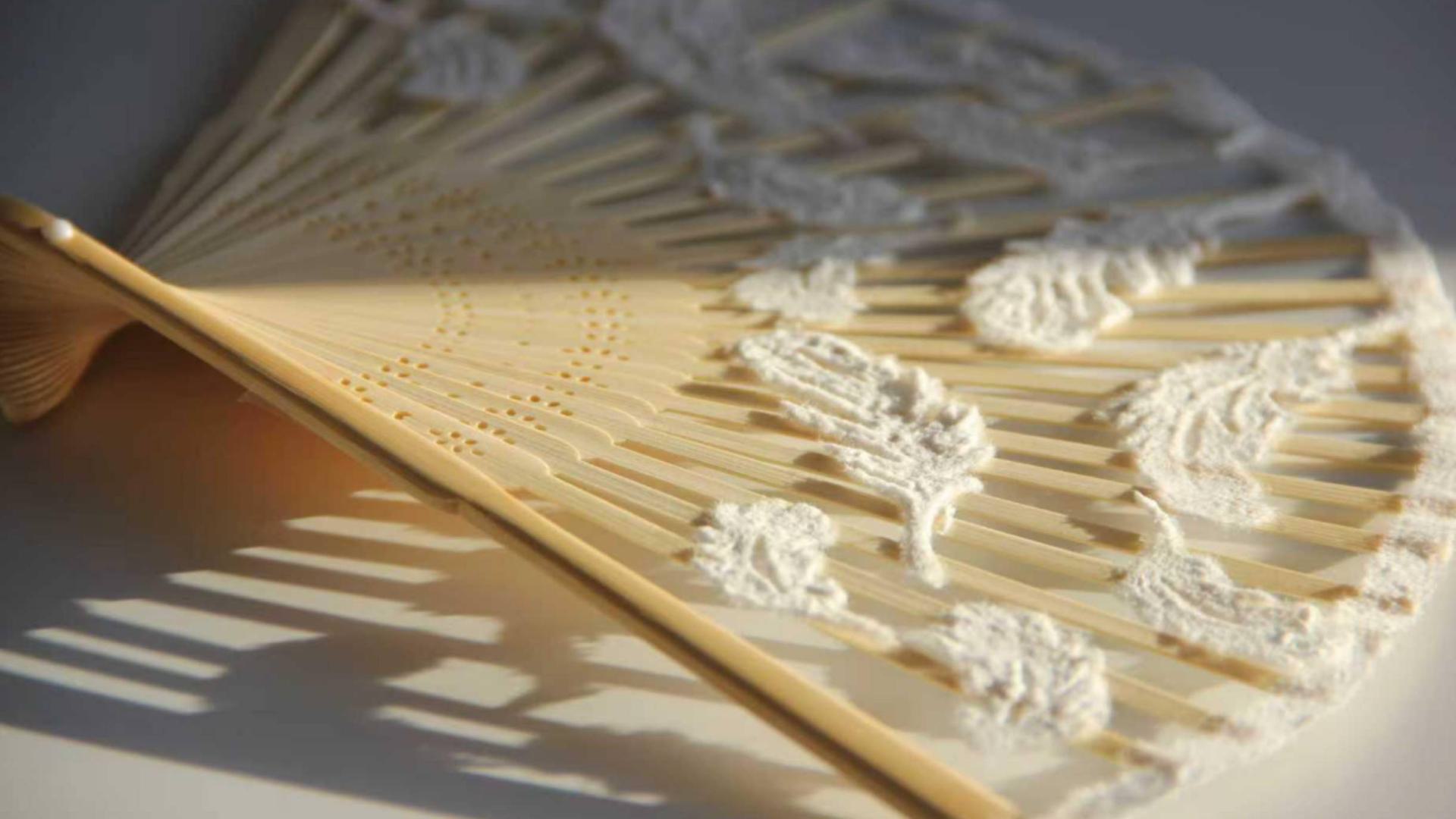
After Paper is using unwanted printing paper collected from local FedEx recycling bins in New York , we manually transform discarded paper into pulp and reform it into contemporary household objects—including sculptural vases, decorative fan surfaces paper sculpture, and tactile paper. Rather than erasing the history of the material, the project preserves and amplifies the character of recycled fibers: their roughness, irregularity, softness, and even the power of paper. Each piece becomes a record of transformation, turning something once considered disposable into something worthy of touch, attention, and everyday life.
Where Water Meets Craft
Rakusuishi, a traditional Asian handmade papermaking technique that uses the natural movement of water to create lace-like perforations, translucent surfaces, and ripple-like textures. Pulp preparation, model making, hand drawing, and water work are carried out entirely by hand. Water shapes soft edges and unpredictable patterns, while the water itself is recycled throughout the process. Here, imperfection becomes part of the design language. Through touch and close observation, visitors encounter not only the material qualities of recycled paper, but also a broader dialogue between sustainability, structural logic, cultural memory, and craftsmanship.
Transformative potential of paper
After Paper brings the transformative potential of paper, granting waste paper a sustainable second life. Beyond exploring traditional papermaking techniques, we reinterpret Chinese paper-cutting to depict endangered animals, connecting cultural heritage preservation with the urgent need to protect natural life. Works in the project extend paper beyond the scale of an artwork, using paper-based components to construct a spatial structure that moves the material from sheet and object toward structure and space. Parallelly, Cyberdada rejects industrial "completeness," using C4D-rendered prototypes as conceptual vessels to capture the tension of technology at the edge of control and evolution. By merging craft with digital design, the exhibition invites the audience to transcend denial and despair, using creative nonsense to explore an evolutionary path of human-machine symbiosis.