Shared Knowledge
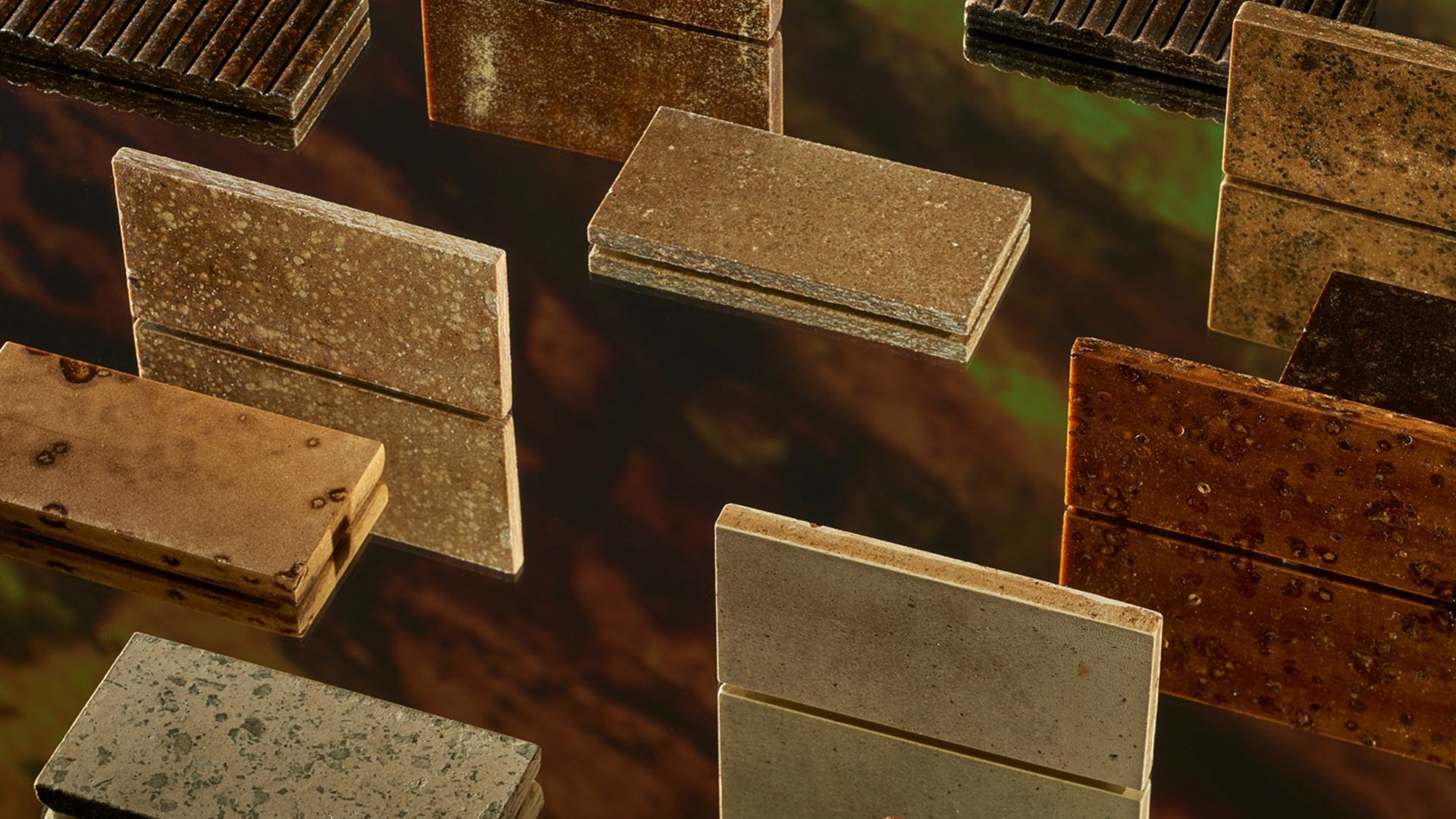
Biomaterials Library is a growing archive of material experiments that documents how designers and researchers are rethinking the origins, use and afterlife of materials. Rather than presenting only polished outcomes, the collection preserves different stages of material development — from early tests and samples to refined applications and design objects. Each material carries knowledge about its ingredients, processes, failures and possibilities. Brought together, these individual explorations form a shared resource that makes material research tangible and accessible, allowing visitors to compare approaches, discover unexpected connections and encounter materials through their colour, texture, smell and physical presence.
Baltic Material Perspectives
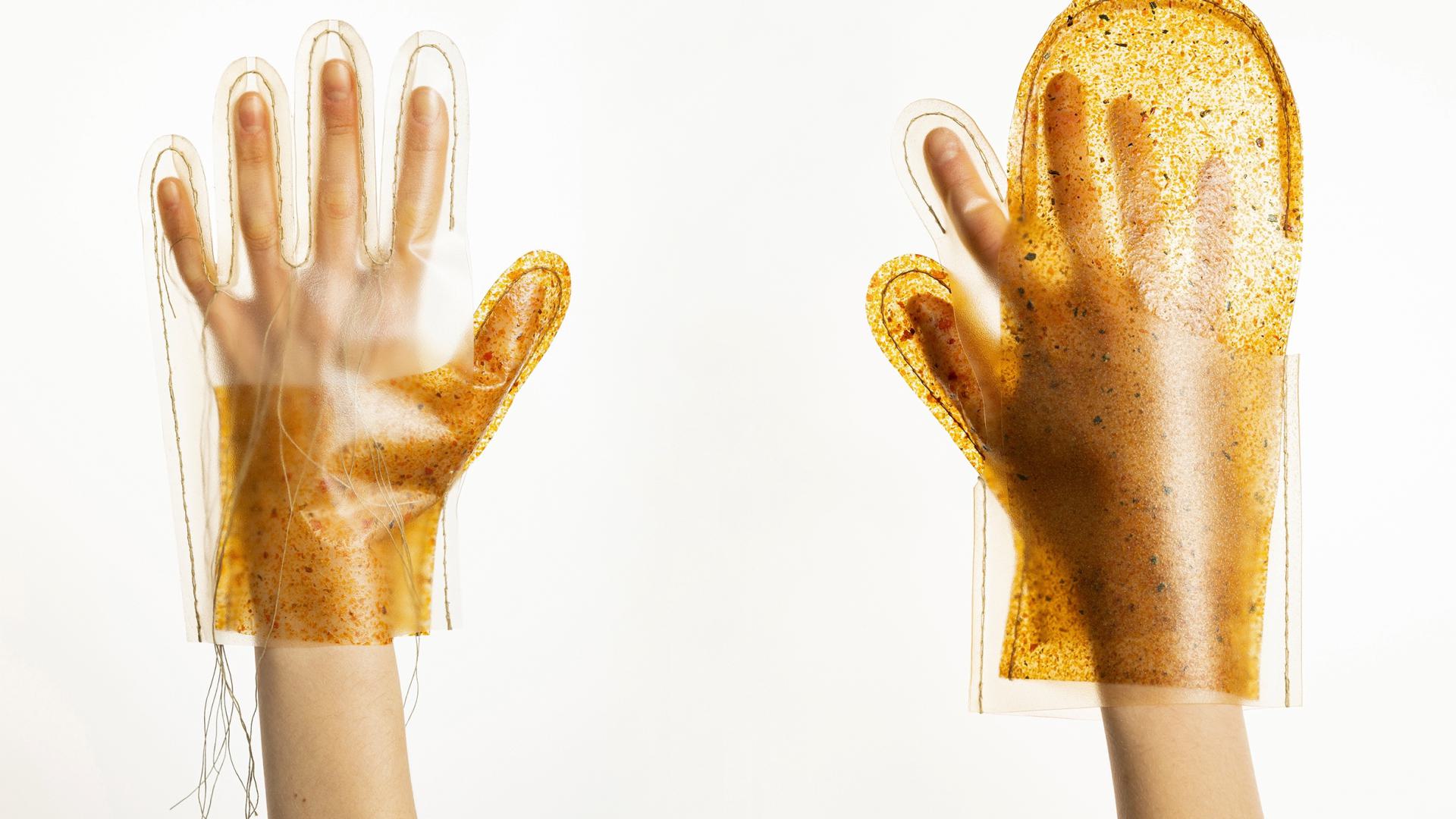
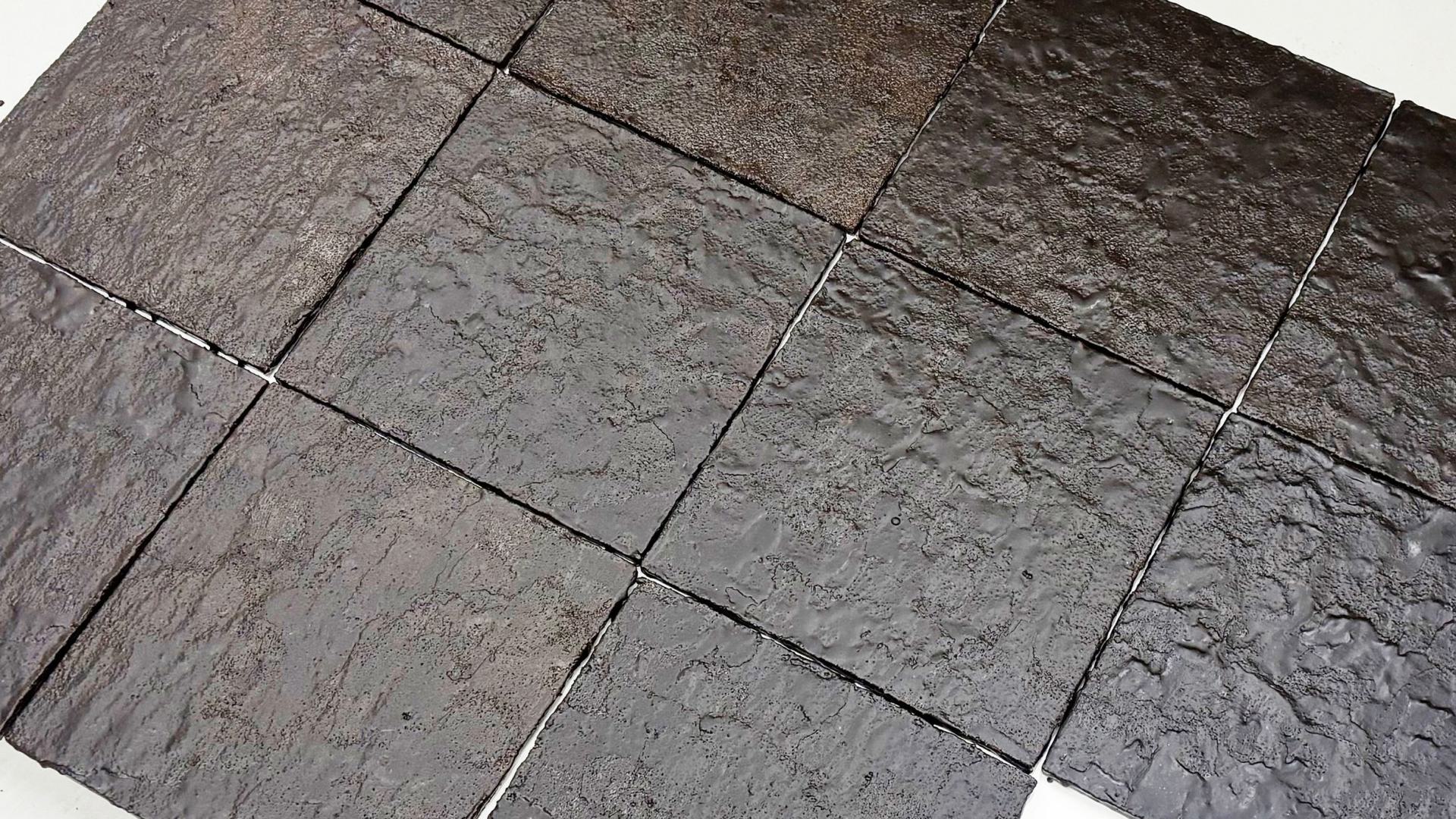
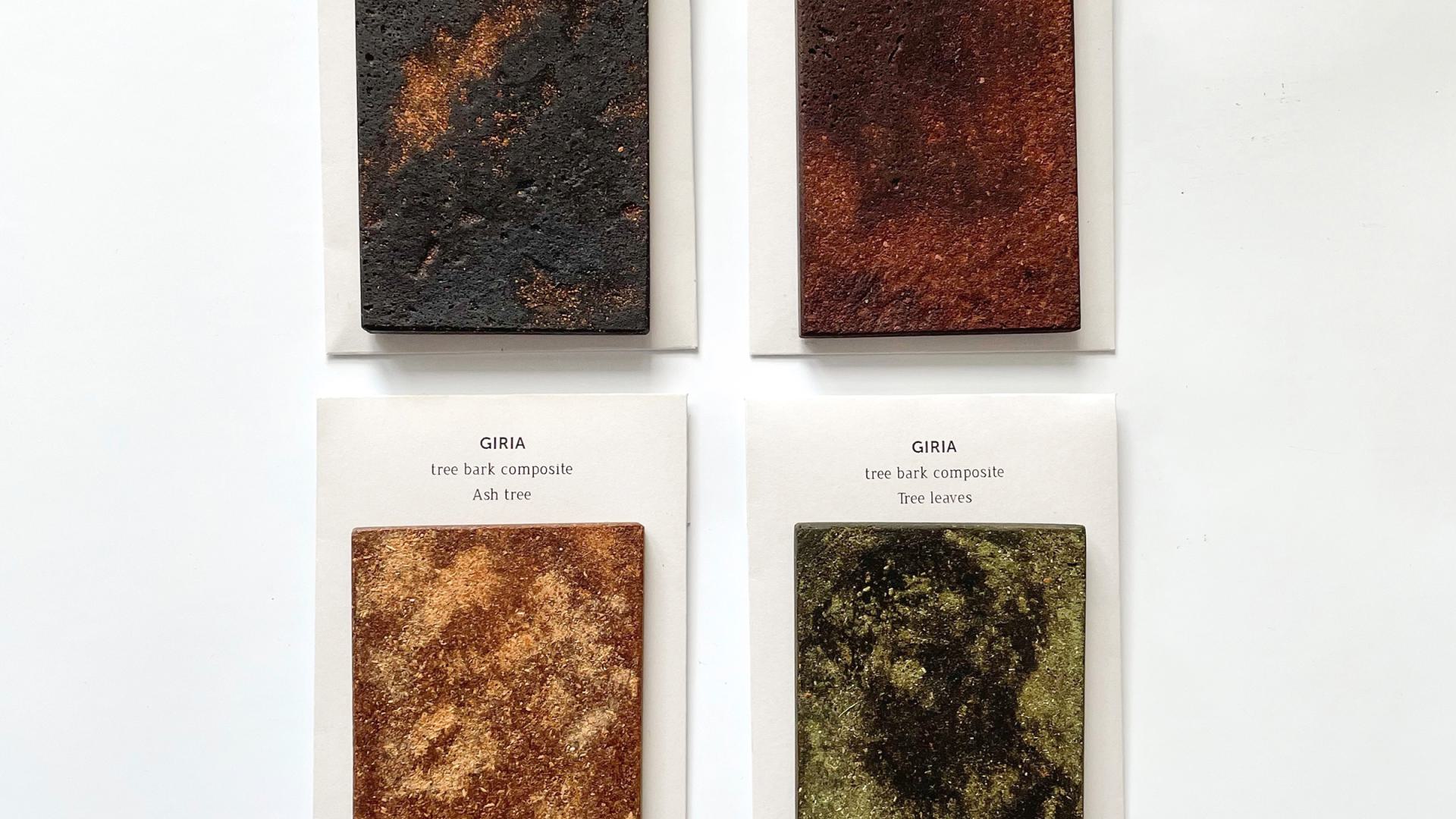
The exhibition brings together a curated selection of biomaterial samples, prototypes and design objects by Lithuanian and Baltic creators. The works reflect a broad range of approaches — from transforming agricultural, food and industrial side streams to exploring mycelium, algae, natural fibres and other locally available biological resources. Seen together, the collection reveals a distinct material landscape shaped by the Baltic region: its ecosystems, industries, traditions and contemporary design practices. Some projects investigate new functional applications, while others use material experimentation as a way to question production systems, consumption and our relationship with natural resources. Rather than proposing one solution, the exhibition presents a plurality of material possibilities and shows how local experimentation can contribute to wider conversations about circular and regenerative design.
Materials to Think With
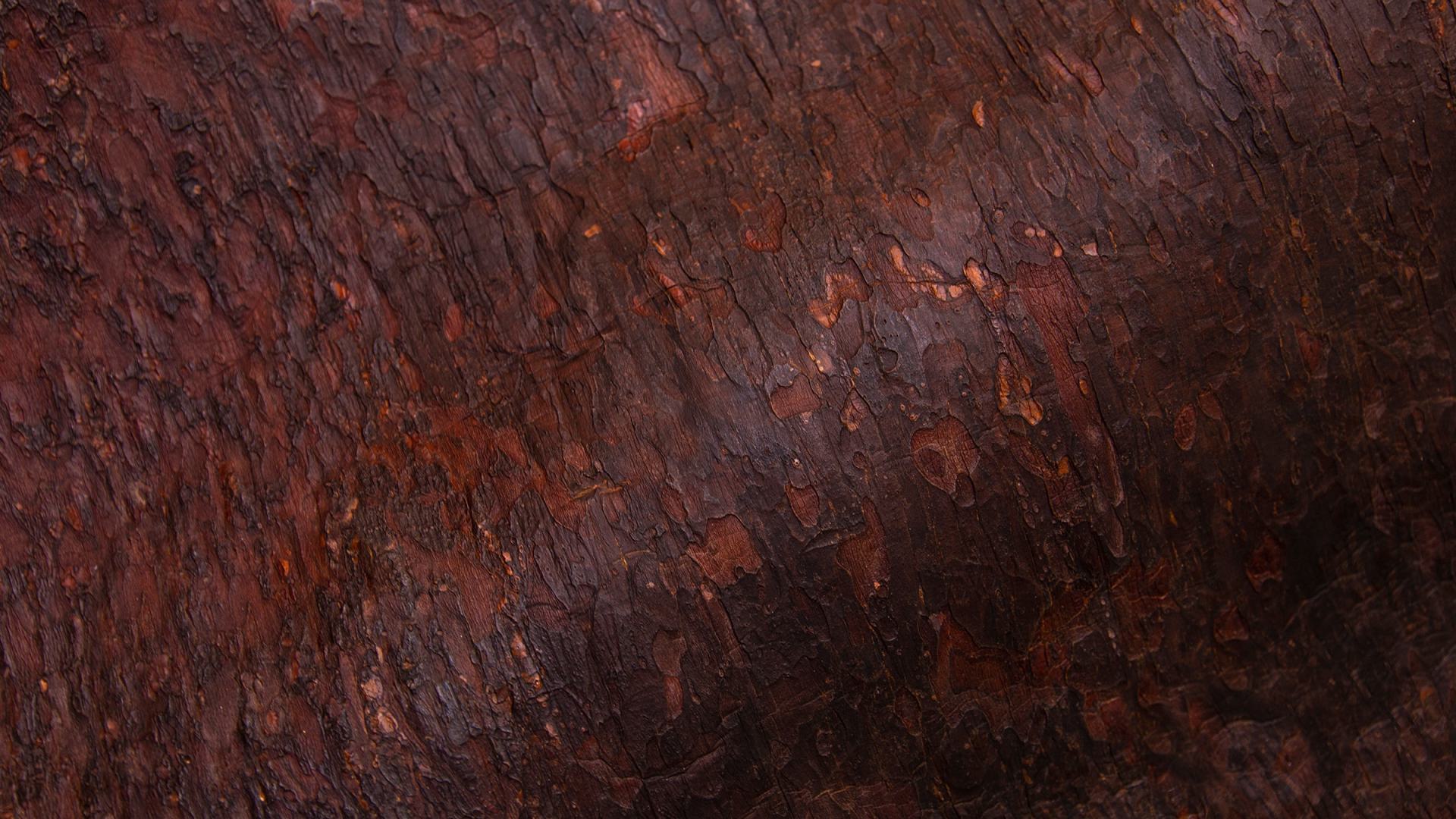
Presented as an open material landscape rather than a conventional product display, the exhibition encourages visitors to look closely, compare, touch where possible and discover the stories embedded in each material. Differences in colour, texture, composition and process become a way of understanding how material choices connect to place, resources and systems of production. The collection asks what design might look like when materials are approached not as neutral commodities, but as active participants carrying ecological, cultural and economic contexts. Through these encounters, the exhibition opens a conversation about how emerging material practices can move from experimentation towards meaningful applications while retaining their local identity and material character.