Our approach
Between 50 and 80% of the CO2 in a manufactured product comes from extracting and producing its raw materials. A better shape will not fix that. You have to change what things are made of. Our designers and material scientists start in the field, with biomass that is overlooked, wasted or invasive. We Explore what it can do, Design it into a material that meets a brand's needs, and Scale it by building the supply chain from field to factory. Every step is meant to give back more than it takes: from nature, to nature.
New Foam 02 and New Leather 01
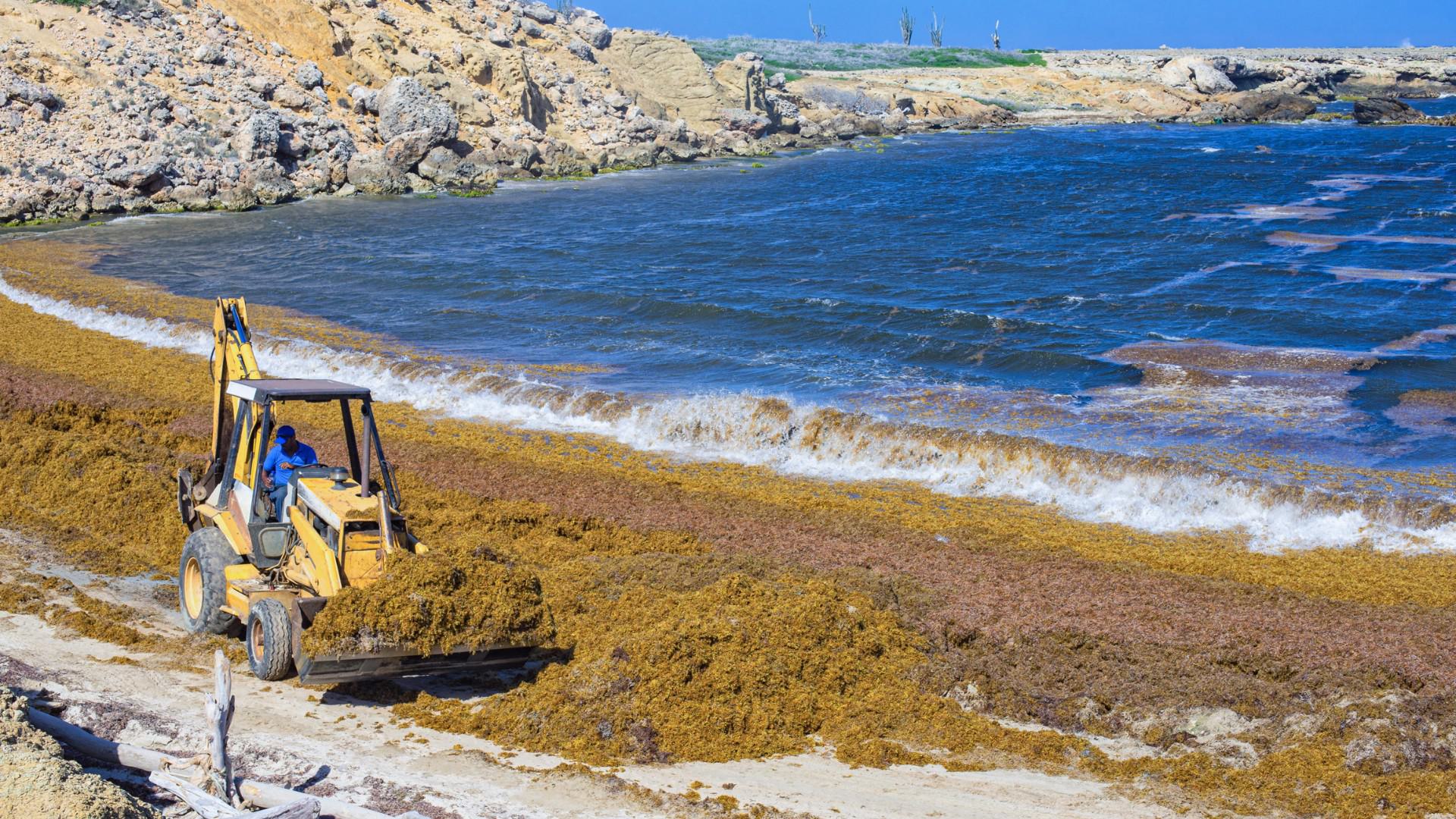
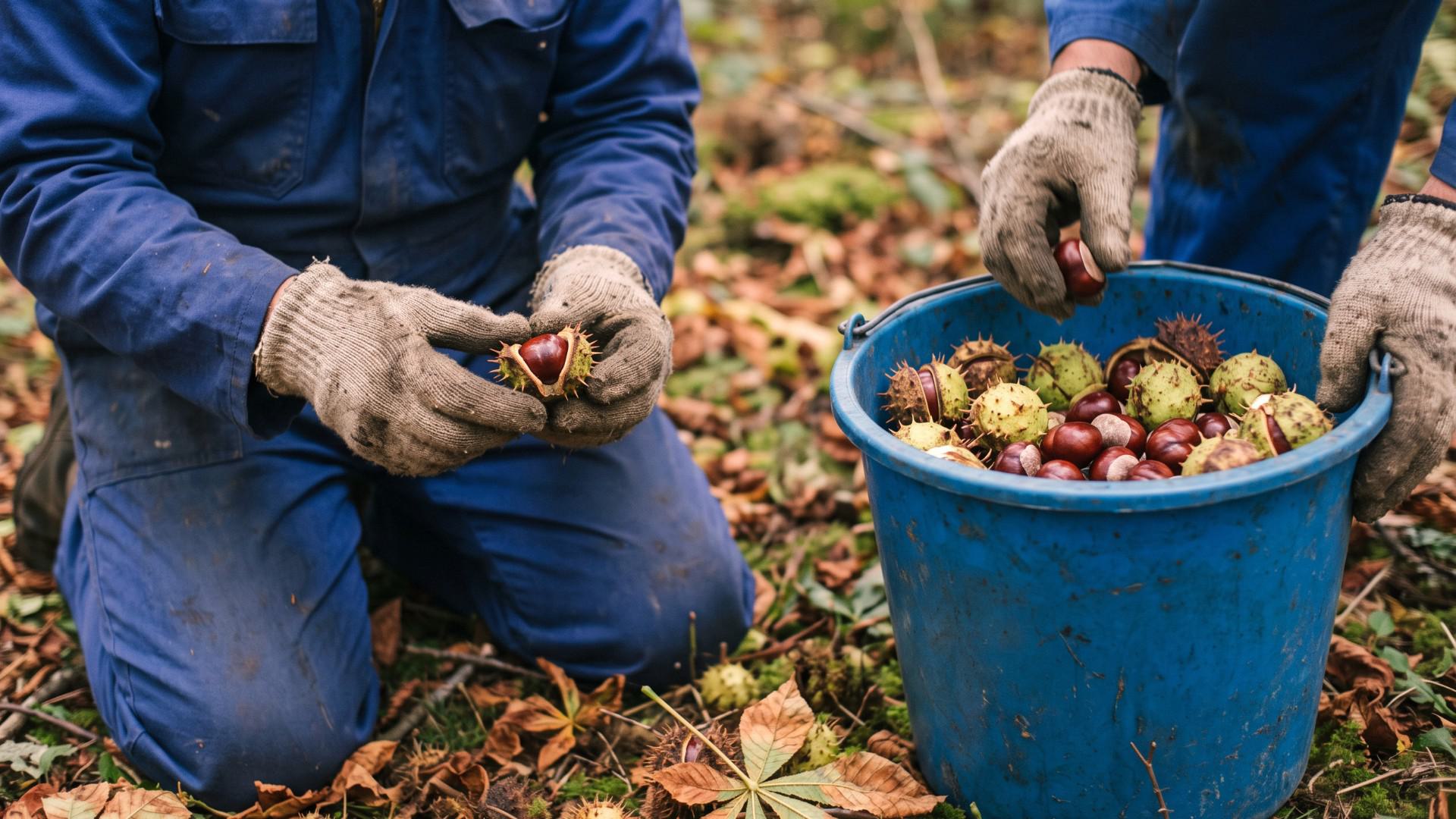
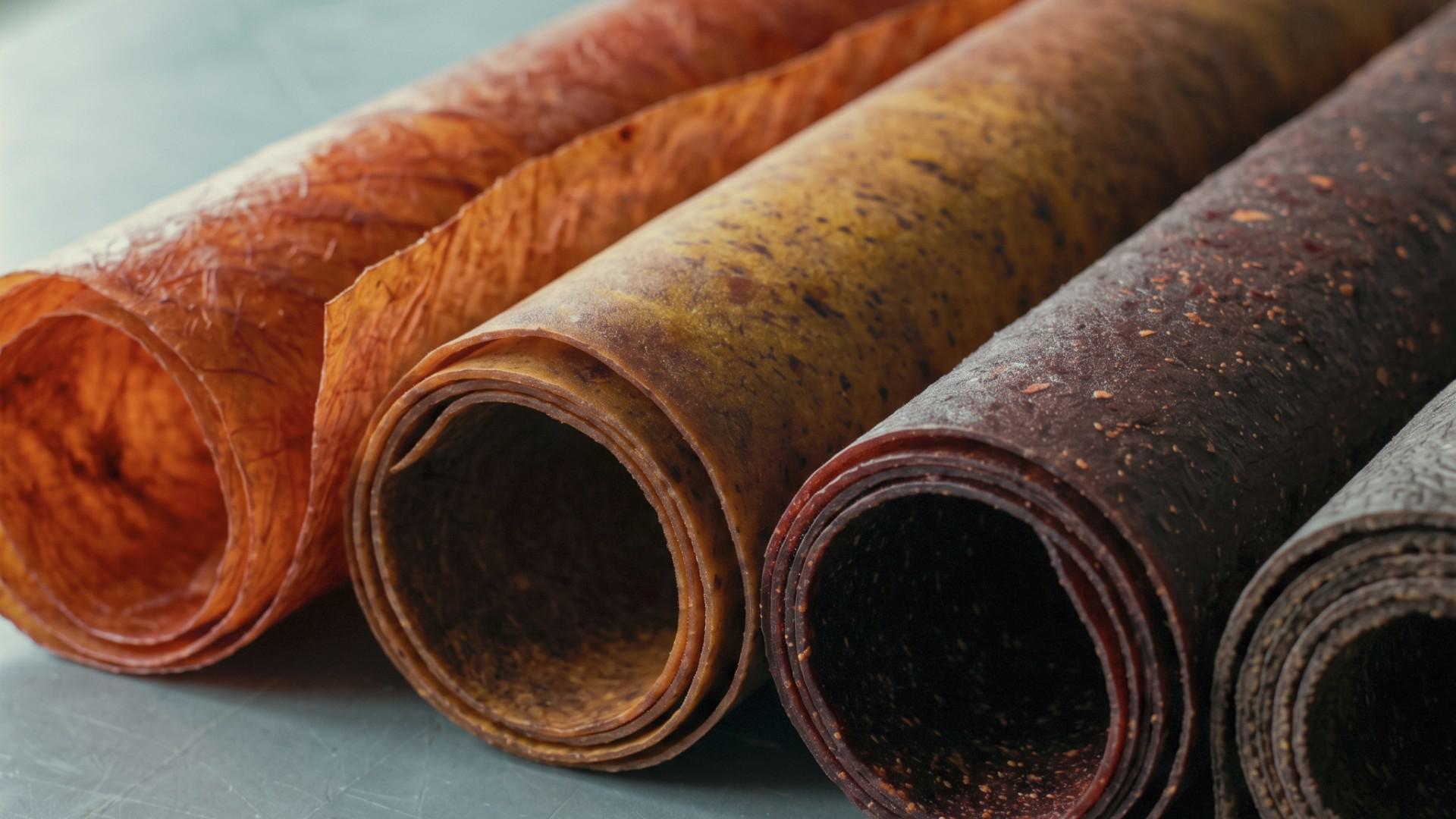
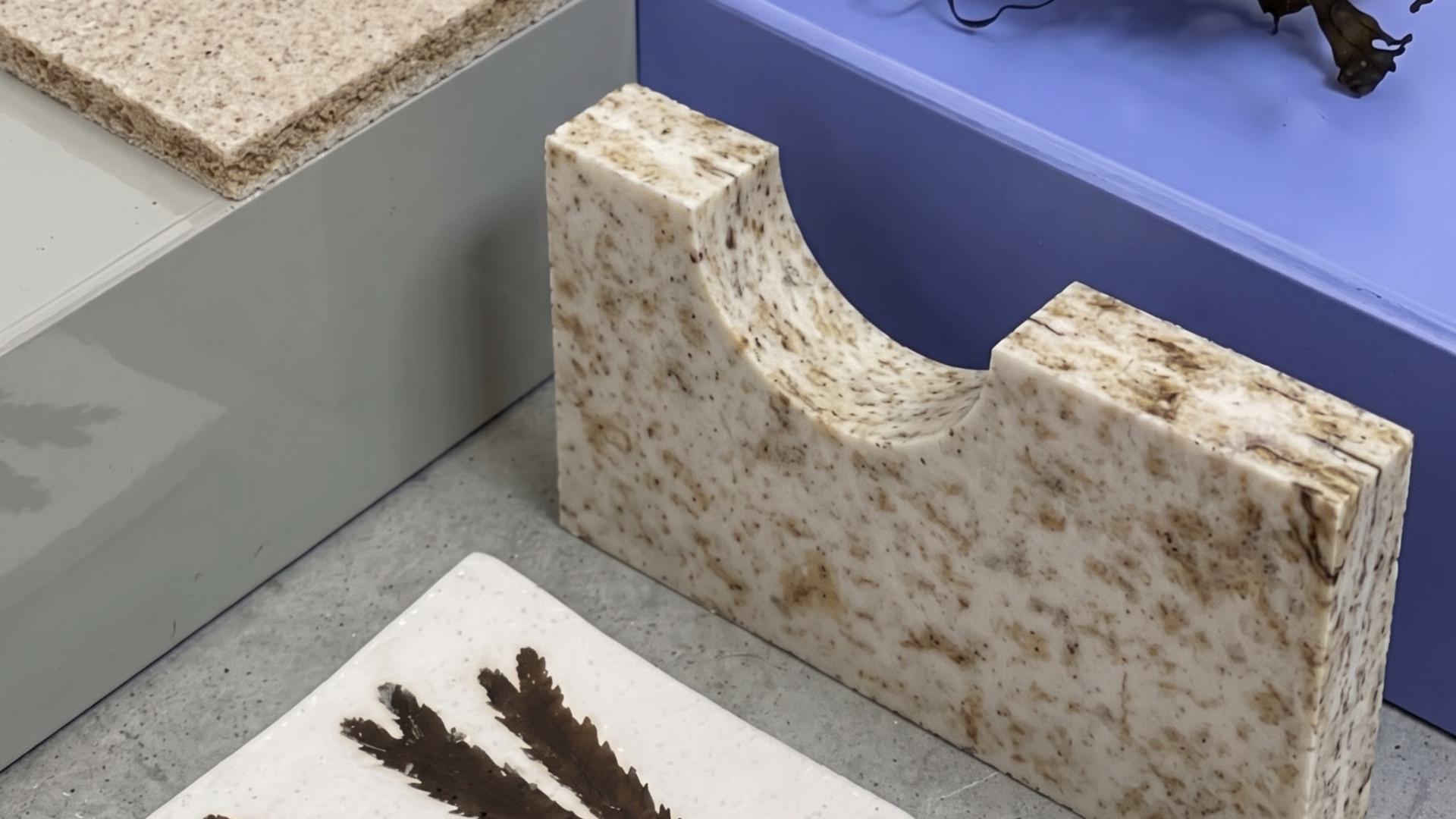
New Foam 02 is a protective foam made from invasive seaweed. Every year, huge mats of sargassum wash up on Caribbean beaches and are scraped away as waste. We turn its cellulose into a light foam that can replace polystyrene packaging and, after use, goes into the paper recycling bin. New Leather 01 is a leather-like material made from horse chestnuts. The nuts fall by the tonne in our cities, but they are not edible and are hardly used. We combine their starch with their own tannins, the same natural compounds used to tan leather, into flexible sheets. Alongside them we also show New Foam 01, made from corn straw and launched at DDW25, and New Coating 01, a water barrier drawn from tomato peel.
An open lab
Our stand is a working material lab, not a display case. Each material sits next to the raw biomass it came from, so you can see, press and smell the whole journey. Test results hang beside the samples, and so do the failures: the pieces that cracked, shed dust or fell apart. That is what material development really looks like. Are you also a New Materialist?