Material States
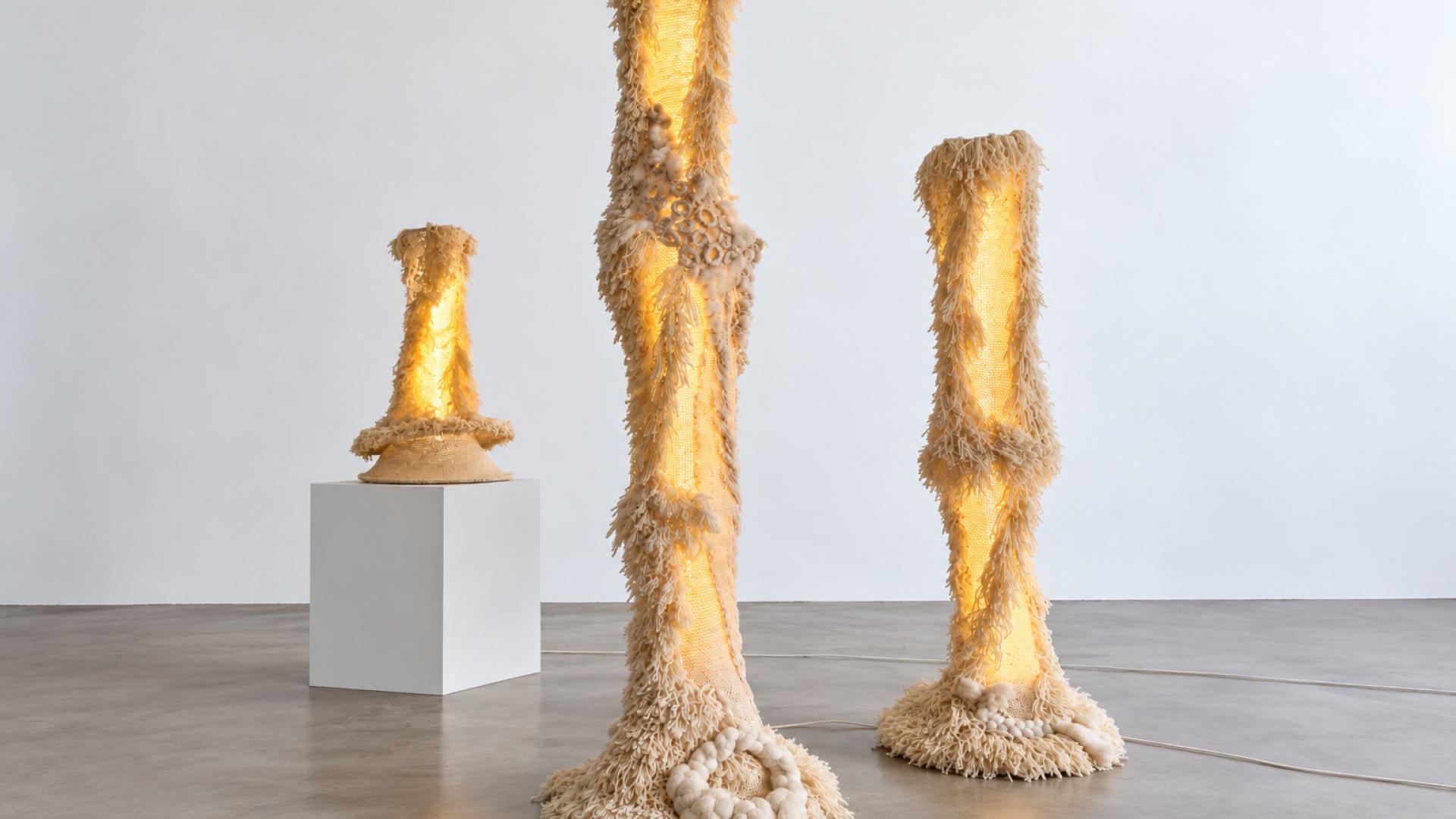
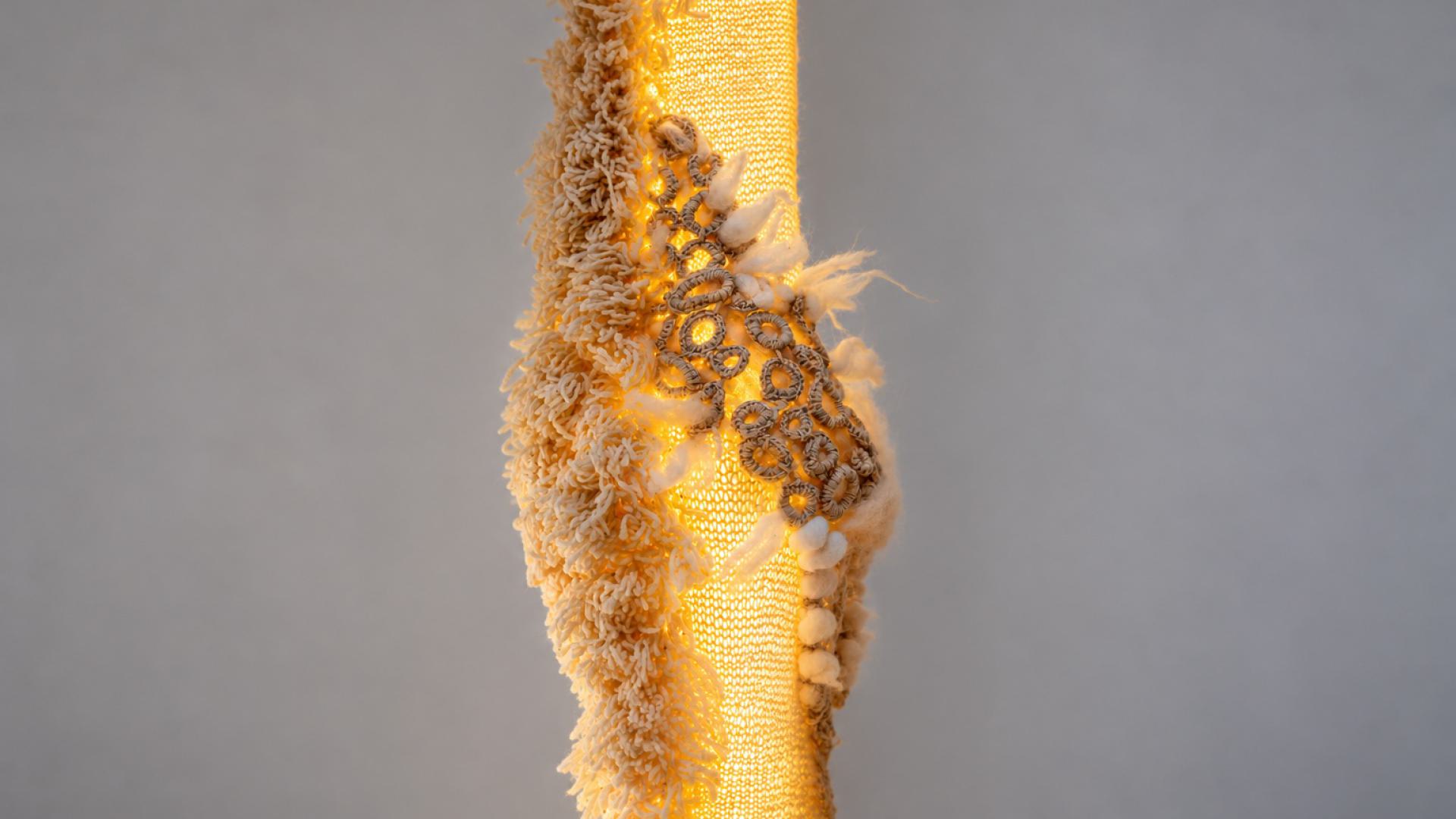
MATERIAL • VALUE • TIME follows wool through a sequence of material states, from raw fleece and cleaned fibre to spun yarn, constructed textile and unravelled form. Each state results from a different process, altering the qualities and possibilities of the fibre. Through spinning, knitting, crochet and knotting, wool is stretched, built, shaped and undone. The project uses these transformations to examine the material itself, its density, elasticity, tension and capacity to change through human intervention. Rather than treating wool as a neutral raw material, the work considers it as a fibre shaped by animal, landscape, climate and the conditions of its making.
Craft Knowledge
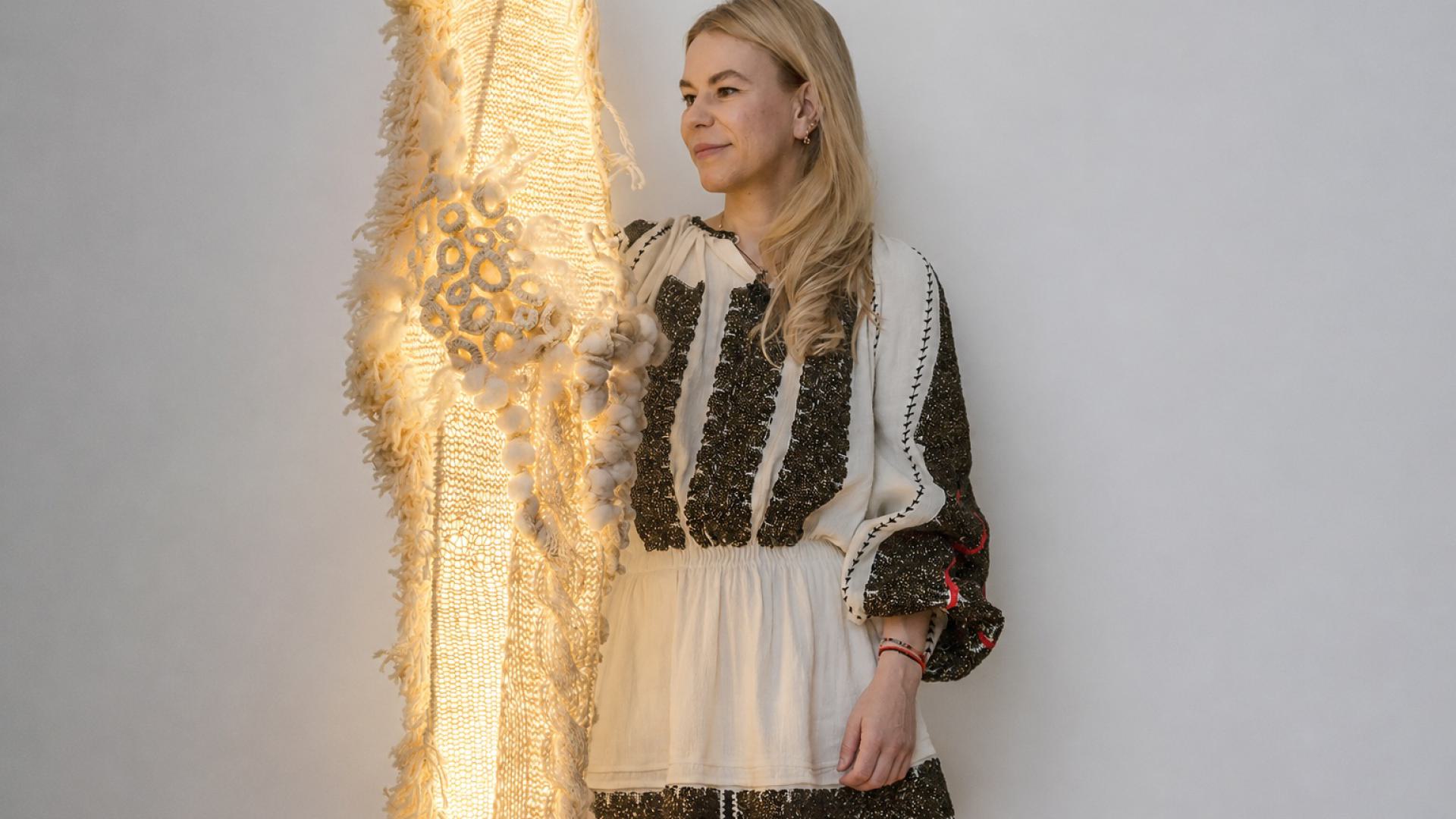
The project grows from ongoing research and hands-on work with craft communities in Transylvania, Romania, where textile knowledge is carried through generations of practice. MA RA MI works directly alongside the people who hold and practice this knowledge, spending time together, learning and practicing techniques such as spinning, knitting, crochet and knotting, while developing the work through this shared process. The knowledge involved is practical and embodied, built through observation, repetition and experience. Working together over time allows MA RA MI to understand how wool, skills and making are connected to place and to the people who practice them. The techniques are not reproduced as historical forms, but explored through contemporary making, with the knowledge shared through the process shaping how the work develops.
Changing Value
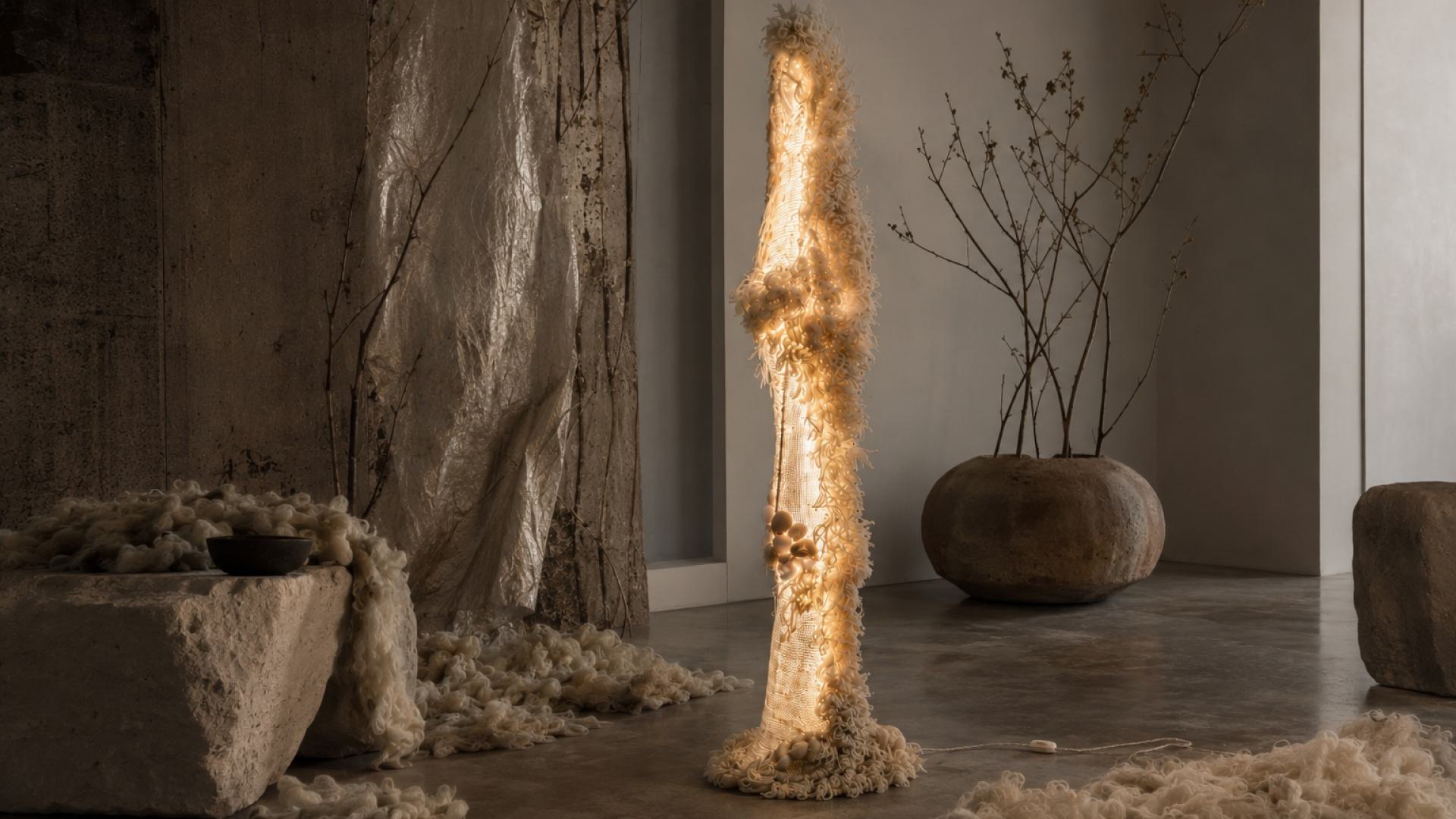
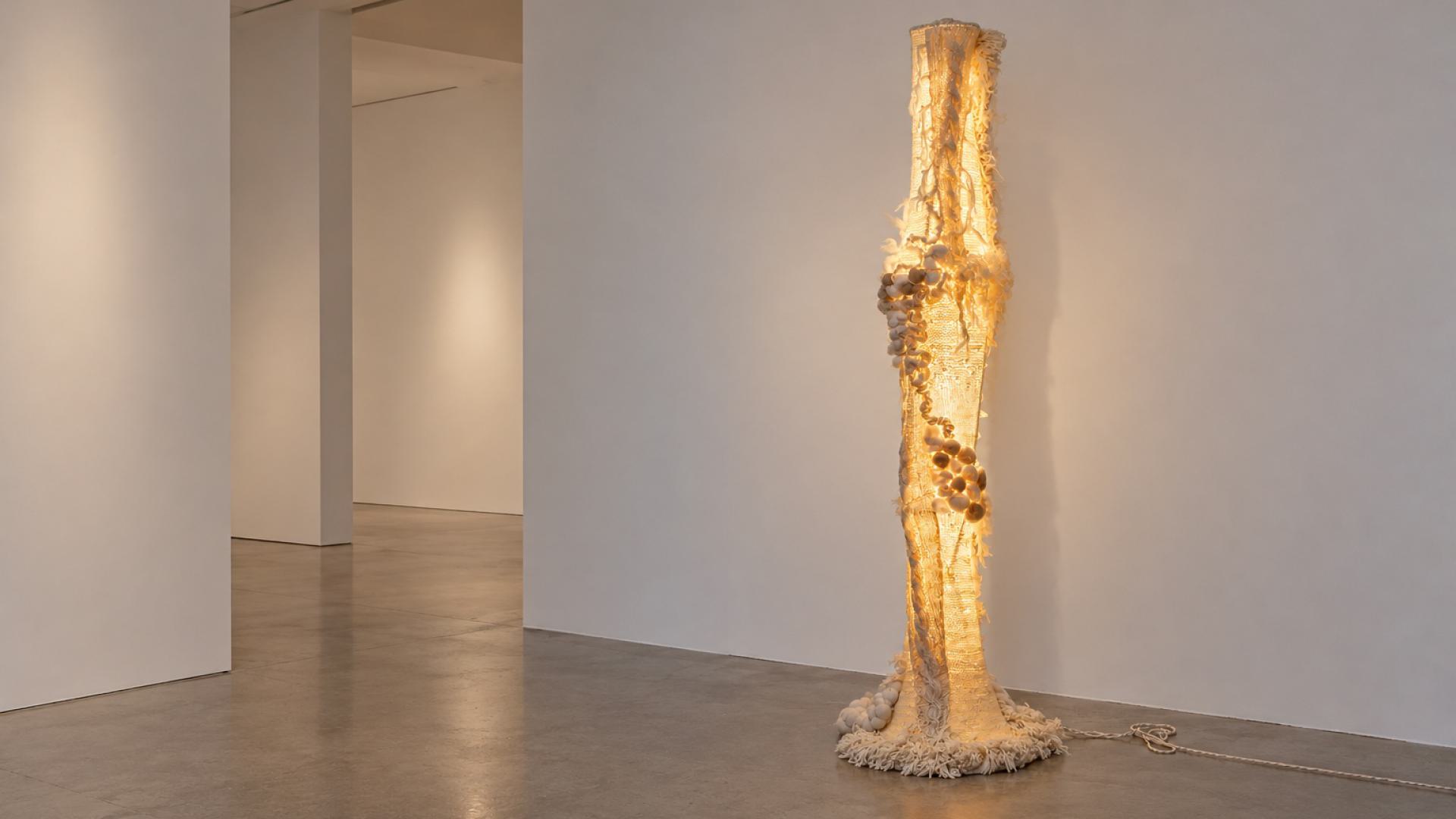
Wool was once central to local economies, survival and everyday life. Today, as local processing systems disappear and industrial production changes, much of this fibre is discarded or burned. MATERIAL • VALUE • TIME responds to this shift by taking wool through processes of making that have become increasingly disconnected from contemporary production, giving the material new forms and functions. Through a series of sculptural textile light works, spinning, knitting, crochet and knotting become ways of constructing space, rather than simply producing a textile surface. The resulting forms retain the density, irregularity and evidence of hand making, while light reveals the material from within. The work proposes another way of valuing wool: not only as a raw material, but through the knowledge, labour and time that allow it to become something else.