THE IDEA
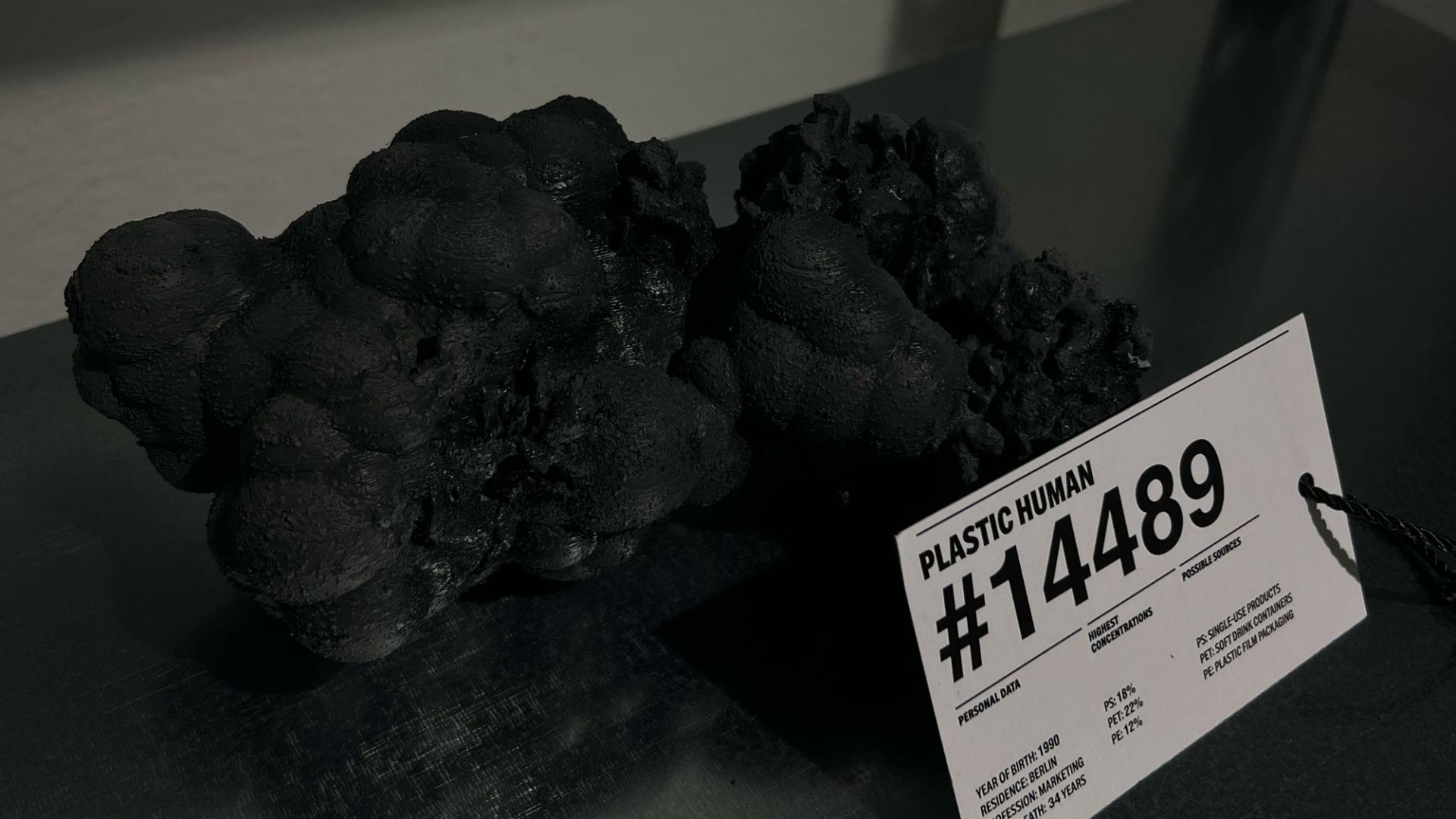
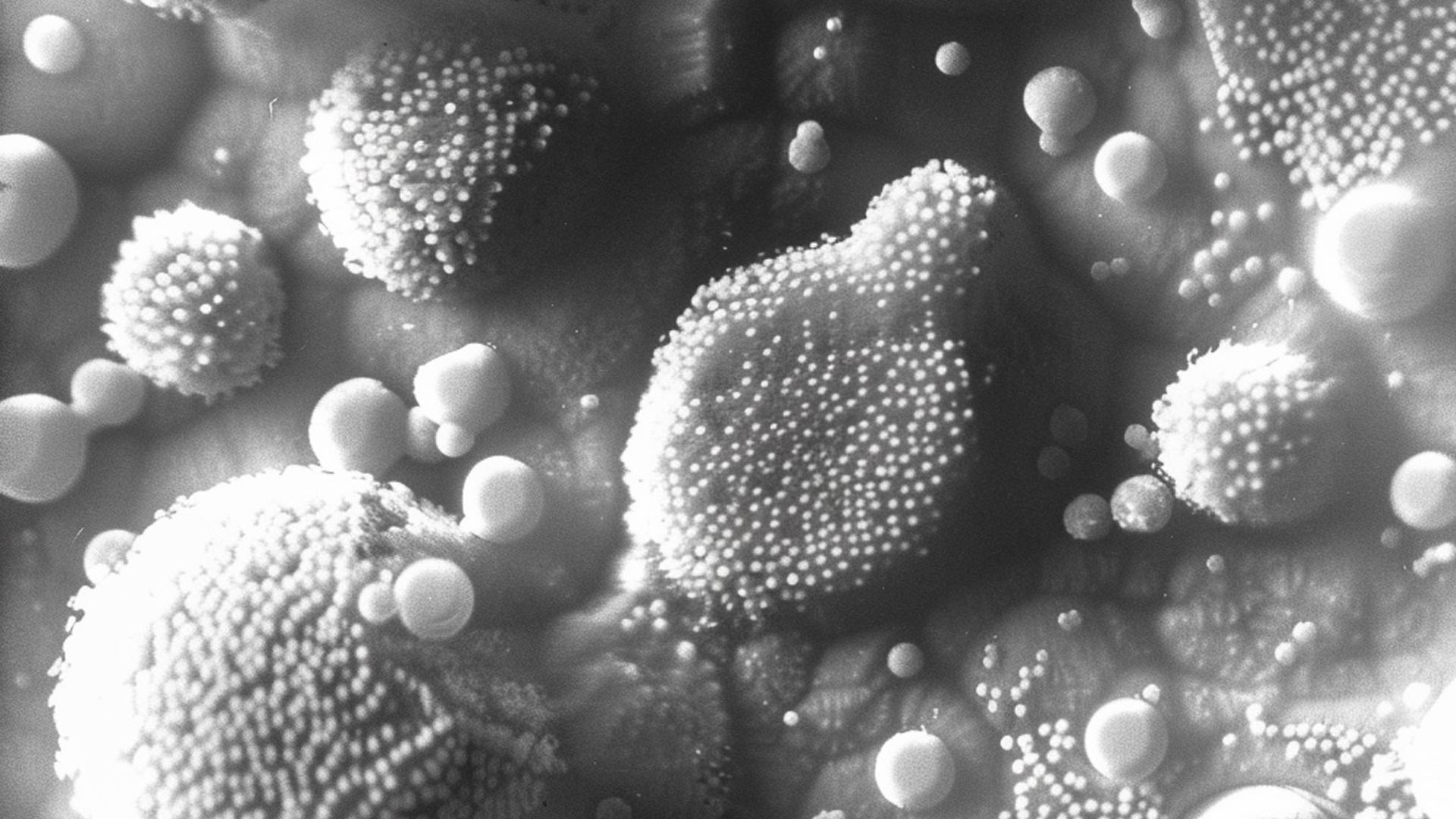
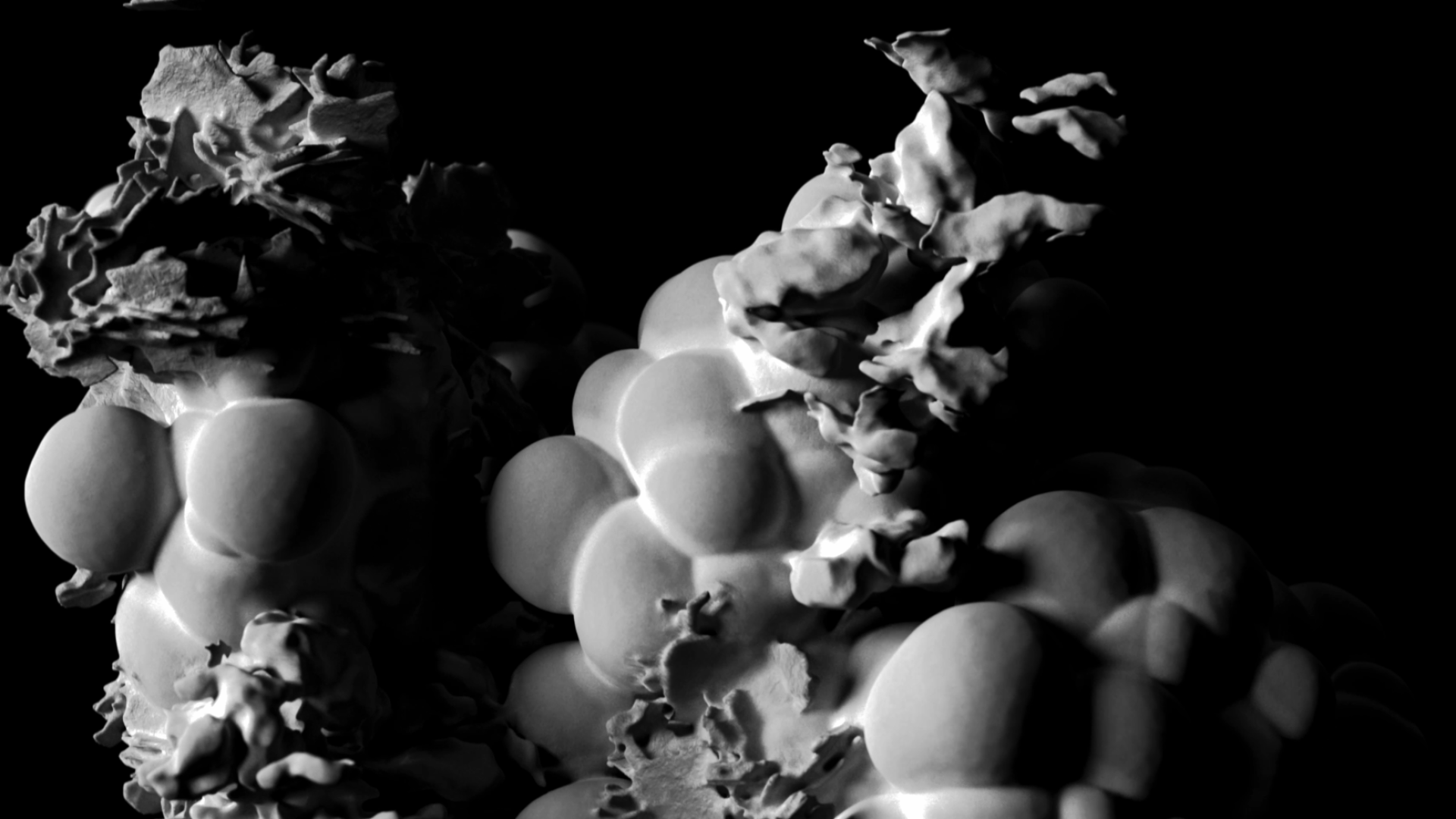
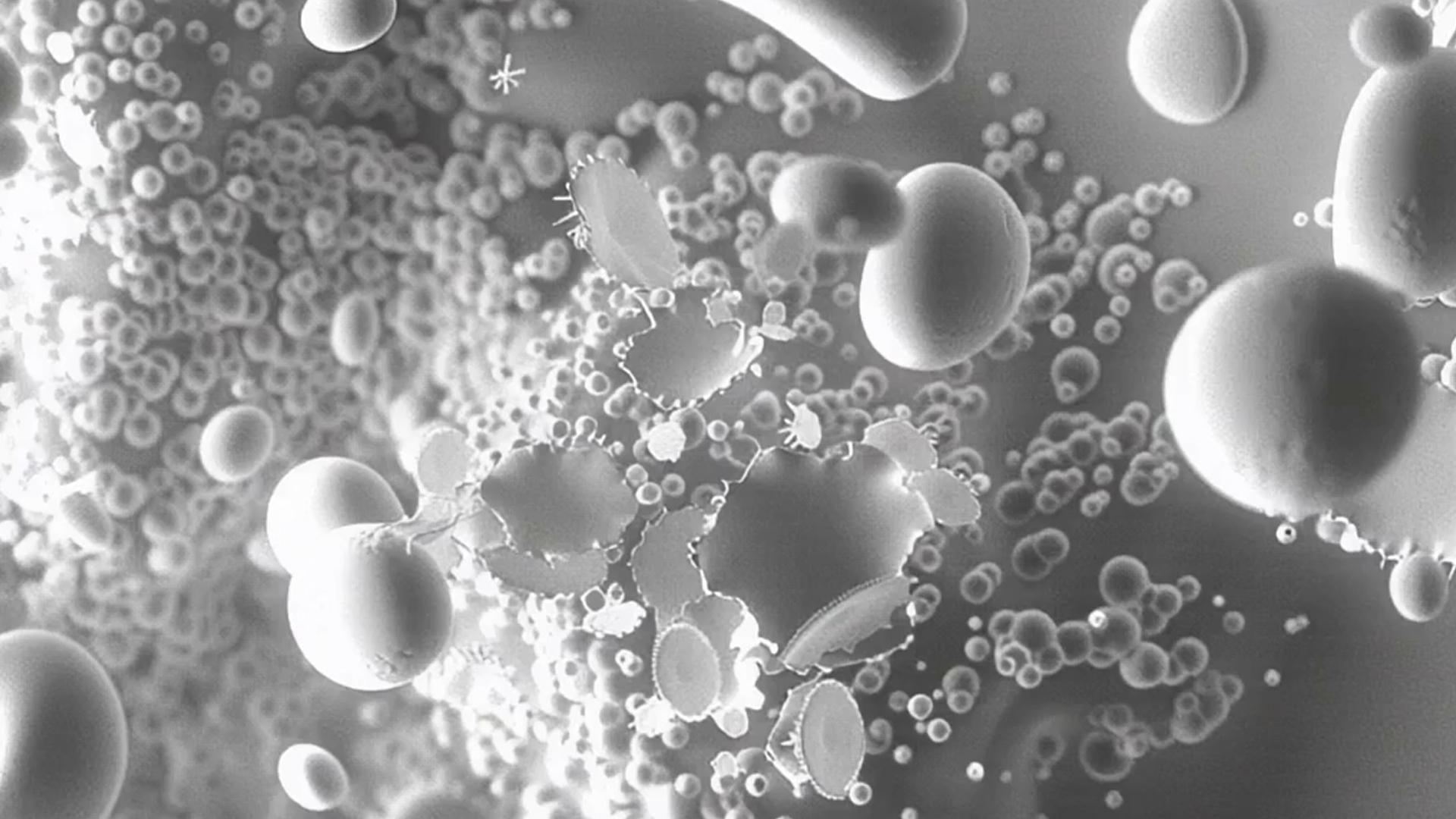
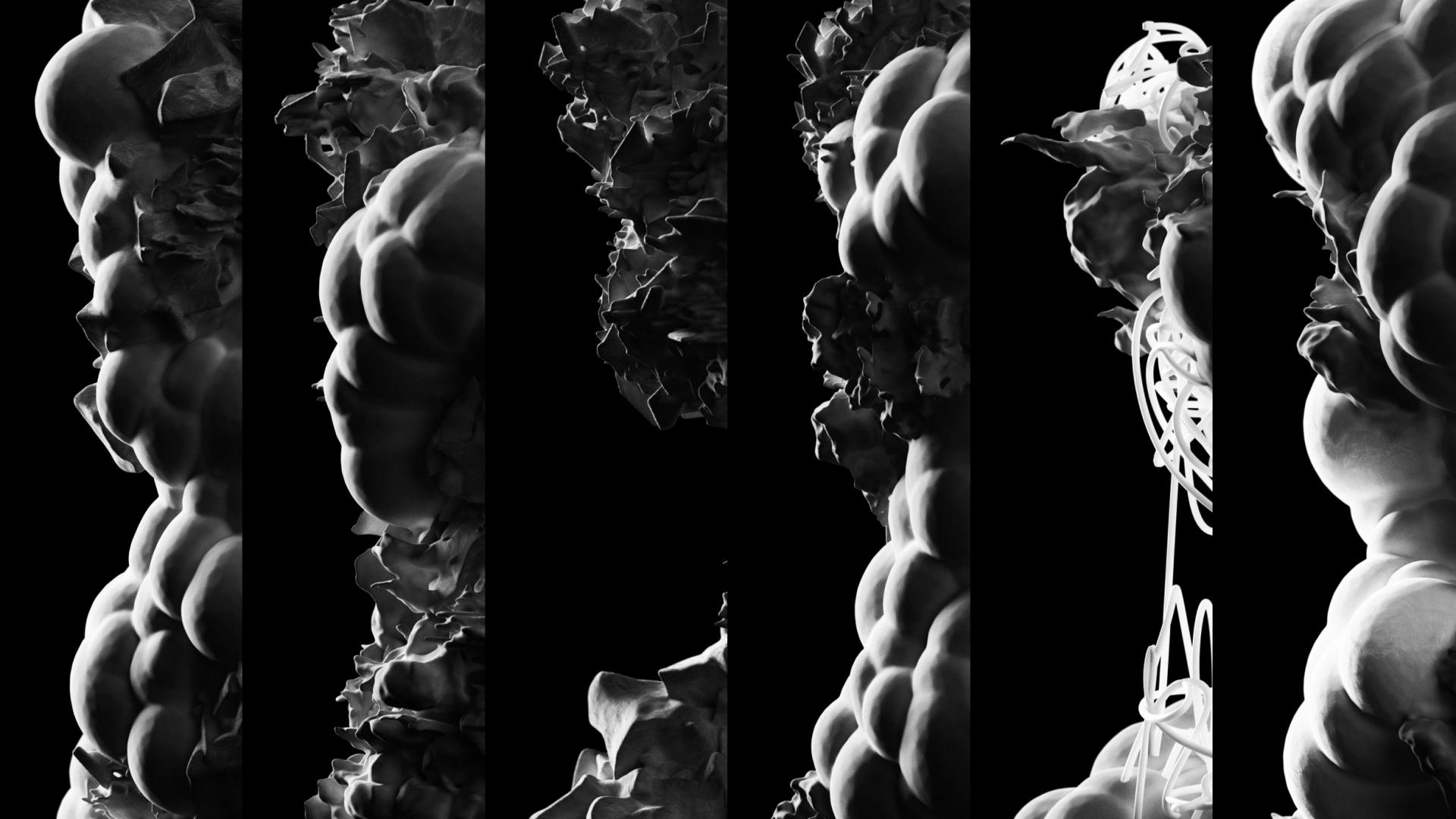
The focus is on the idea that microplastic particles are released when bodies naturally decompose, thus re-entering the ecological cycle. To prevent this 'post-mortem pollution', the bodies are cremated, the remains analysed, and the resulting sculptures are formed into the Plastic Humans. These consist of the three most prevalent types of plastic found in each body. Each type of plastic has its own unique visual and material properties, resulting in the distinctive appearance of each urn.
Beyond their aesthetic form, the Plastic Humans serve as a speculative archive of environmental exposure. Each urn preserves the physical remains of an individual and traces the invisible accumulation of plastics carried throughout their life. In this way, scientific data becomes a tangible memorial that embodies both personal identity and collective responsibility.
By reimagining human remains as numbered plastic artefacts, the project challenges traditional notions of dignity, memory and burial rituals. The natural return to the earth, once a symbol of life's cycle, has become a source of pollution, effectively turning our bodies into plastic products.
THE PROCESS
01 COLLECT
The remains are collected at the crematorium and sealed in a secure container for further transportation.
02 ANALYSE
The microplastic particles are analysed in detail to determine their
composition and concentration. This provides insights into the specific local microplastic pollution to which the individual was exposed.
03 DESIGN
Your three strongest concentrations into one urn. These particles are digitally mapped to create a unique design that reflects their specific characteristics.
04 MANUFACTURE
This digital model is then fed into a high-precision 3D printer, which builds the sculpture layer by layer using your remains.
05 PERSONALIZE
The death tag includes details about the individual, their three highest microplastic concentrations and insights into what these concentrations reveal about their environmental exposure.
06 STORE
Your plastic human is enclosed in a display case and brought to the designated storage location.