Multispecies Co-Creation Through Rainweaving
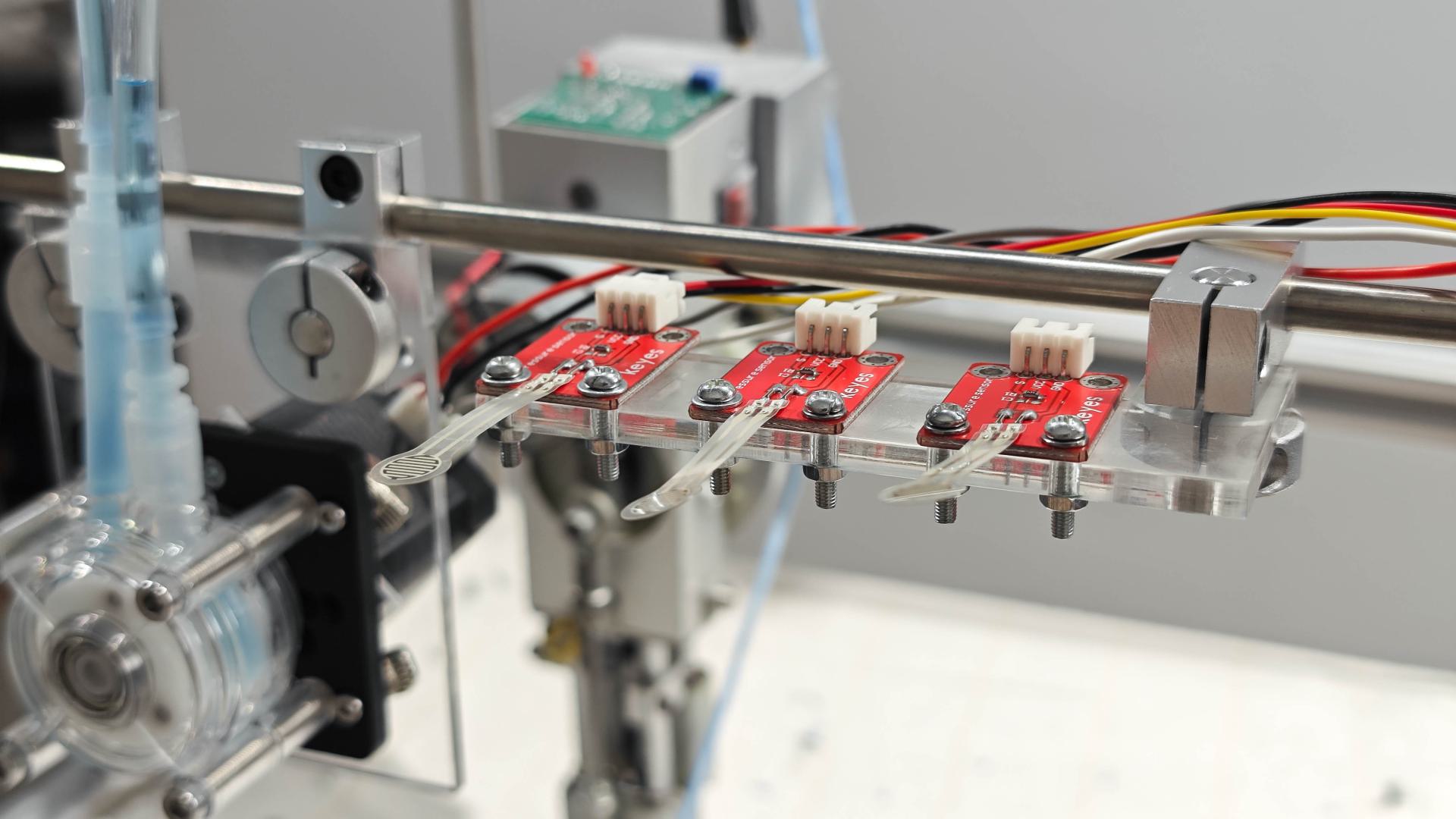
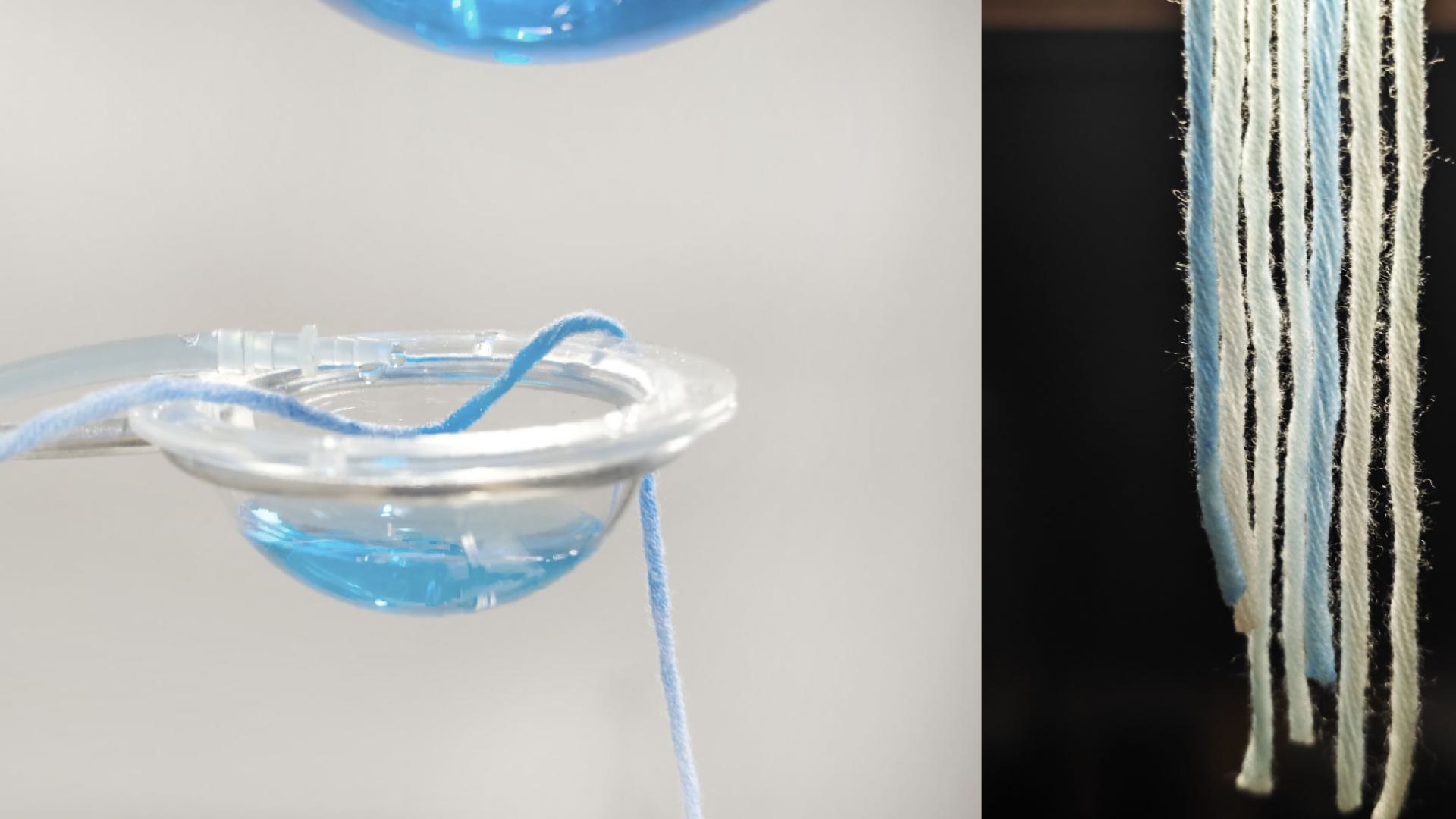
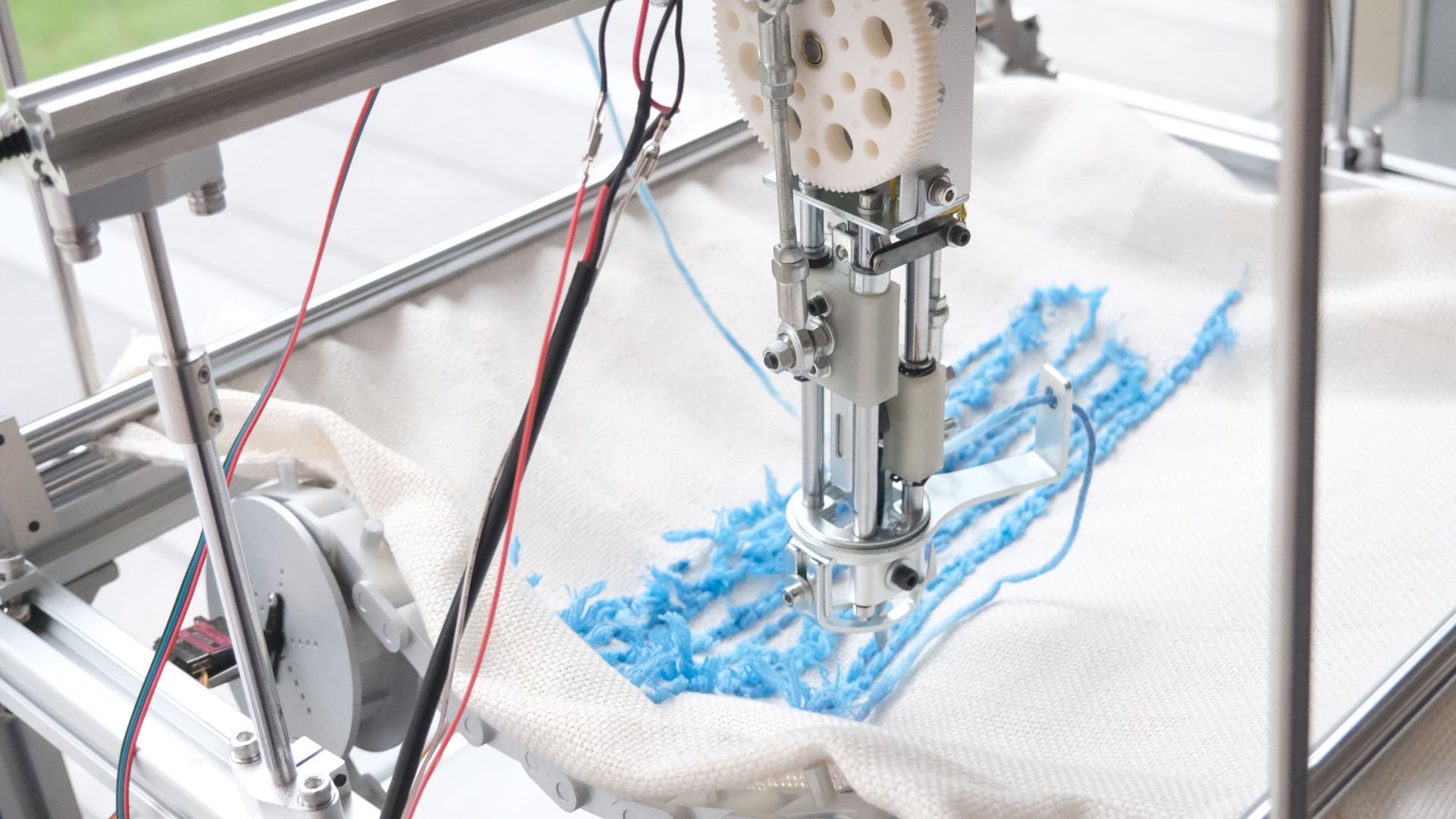
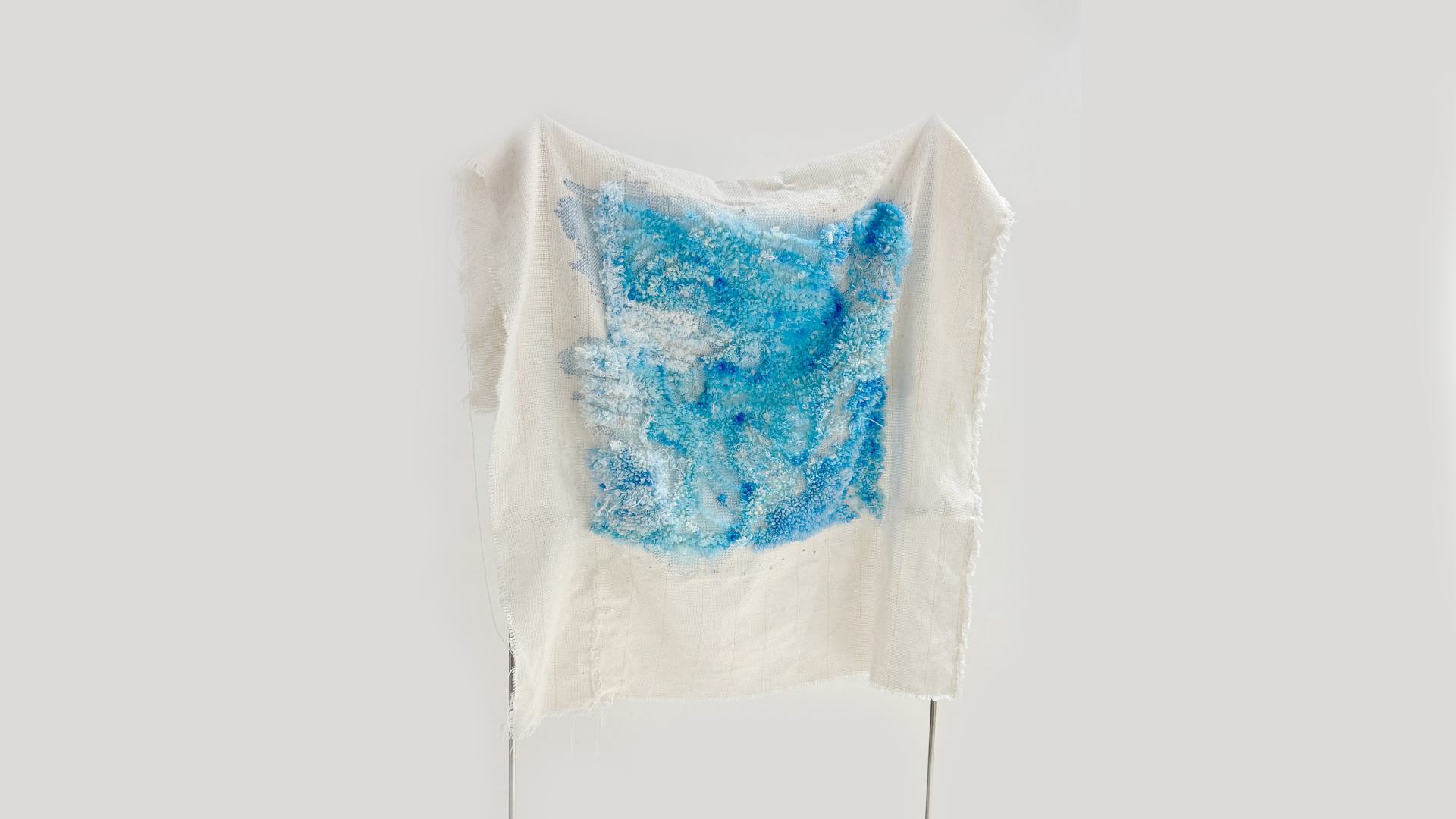
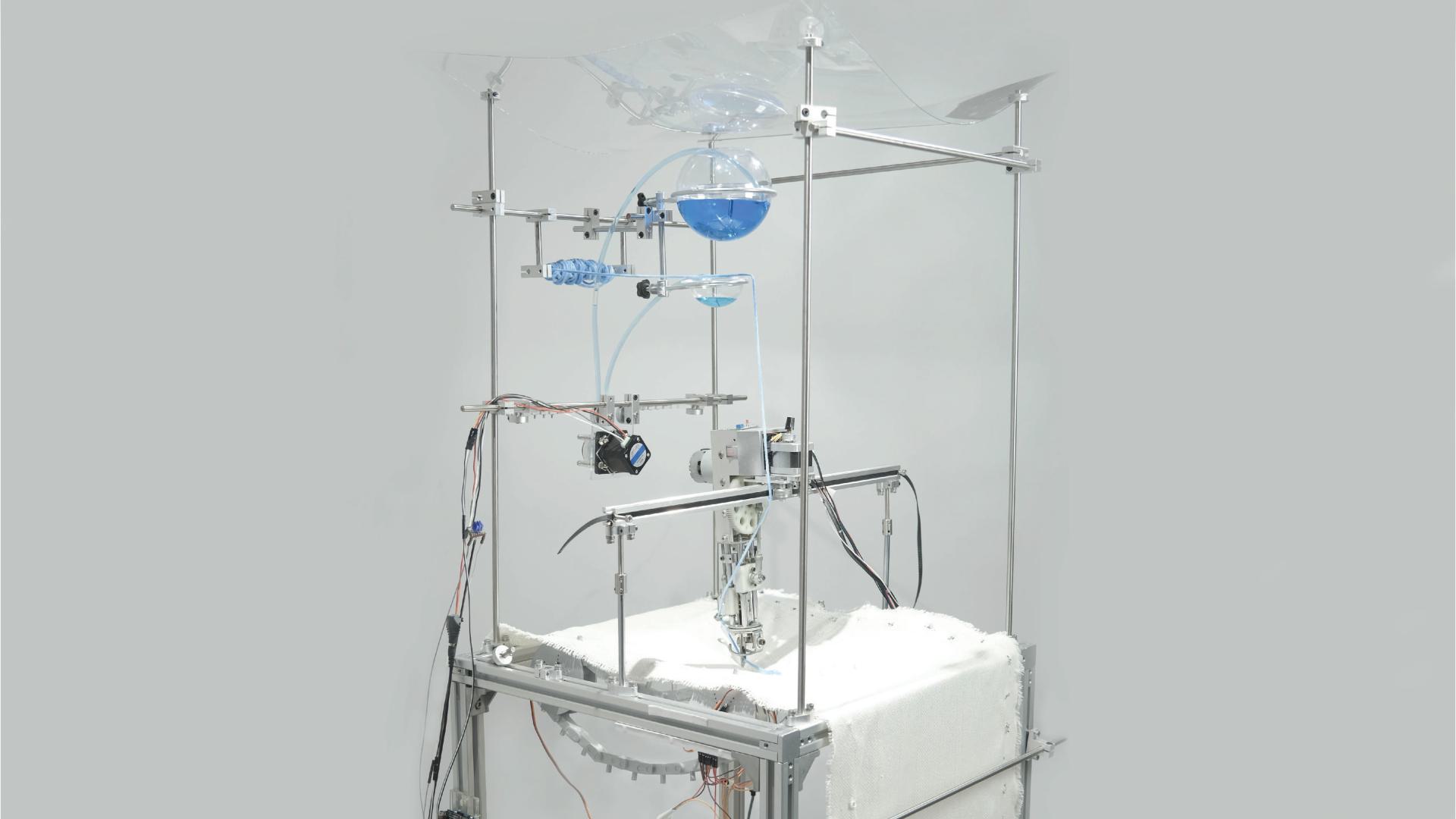
RainWeavor repositions rain as an active co-creator, using tufting and dyeing techniques to translate its dynamic rhythms into tactile textures and gradients. This process fosters a triadic dialogue between human, water, and land, shifting rain from a managed resource to an ecological collaborator. Drawing on New Materialism, the project frames rain as an agent with inherent agency, challenging anthropocentric hierarchies. The resulting textiles materialize rain’s ephemeral presence, rendering invisible hydrological cycles as tangible narratives of interdependence.
Philosophical Foundations of Boundary Dissolution
Inspired by Anthropocene discourse, RainWeavor interrogates human-nonhuman negotiation. Each textile—a hybrid of rain’s imprint and human craft—dissolves binaries of control/collaboration and resource/life, positioning rain as a carrier of ancient wisdom within urban spaces. This aligns with Donna Haraway’s Companion Species Theory, which redefines coexistence through mutual shaping. Rain becomes a “companion” whose presence demands ethical reimagining of shared habitats.
Reclaiming Urban Ecologies Through Somatic Engagement
In hyper-urbanized contexts, RainWeavor reclaims rain’s sensory and cultural resonance. Textures, gradients, and auditory translations of rainfall rhythms activate tactile and visual memory, reframing rain as a physical medium for urban-nature dialogue. This somatic reengagement challenges reductionist views of water as utility, proposing ecological storytelling as a tool to reimagine cities as porous, adaptive ecosystems.