The Context
Tools for Collapse begins with a fundamental question: when catastrophe occurs, who gets to escape, and who is forced to stay and bear the consequences? Set in 2081 on the low-lying Falsterbo peninsula in southern Sweden, the project is grounded in two UN frameworks: RCP 6.0, an emissions trajectory driving severe sea level rise, and SSP 4, a socioeconomic pathway defined by stark inequality between a financial elite with access to resources and safe zones, and those left to face the worst consequences of climate change. In Falsterbo, this reality materialises through Skyddsvallen, a 21-kilometer municipal levee built to defend high-value property. By walling off affluent residential areas and leaving outer zones to permanent floodwaters, the barrier splits the geography into a dry enclave and an unmanaged amphibious landscape. Using this divided territory as an adversarial test site, the project investigates how the tools and objects we design are never politically neutral, actively shaping whether we meet ecological breakdown through the lonely vanity of private insulation or the messy, shared labour of staying with the trouble.
The Artifacts
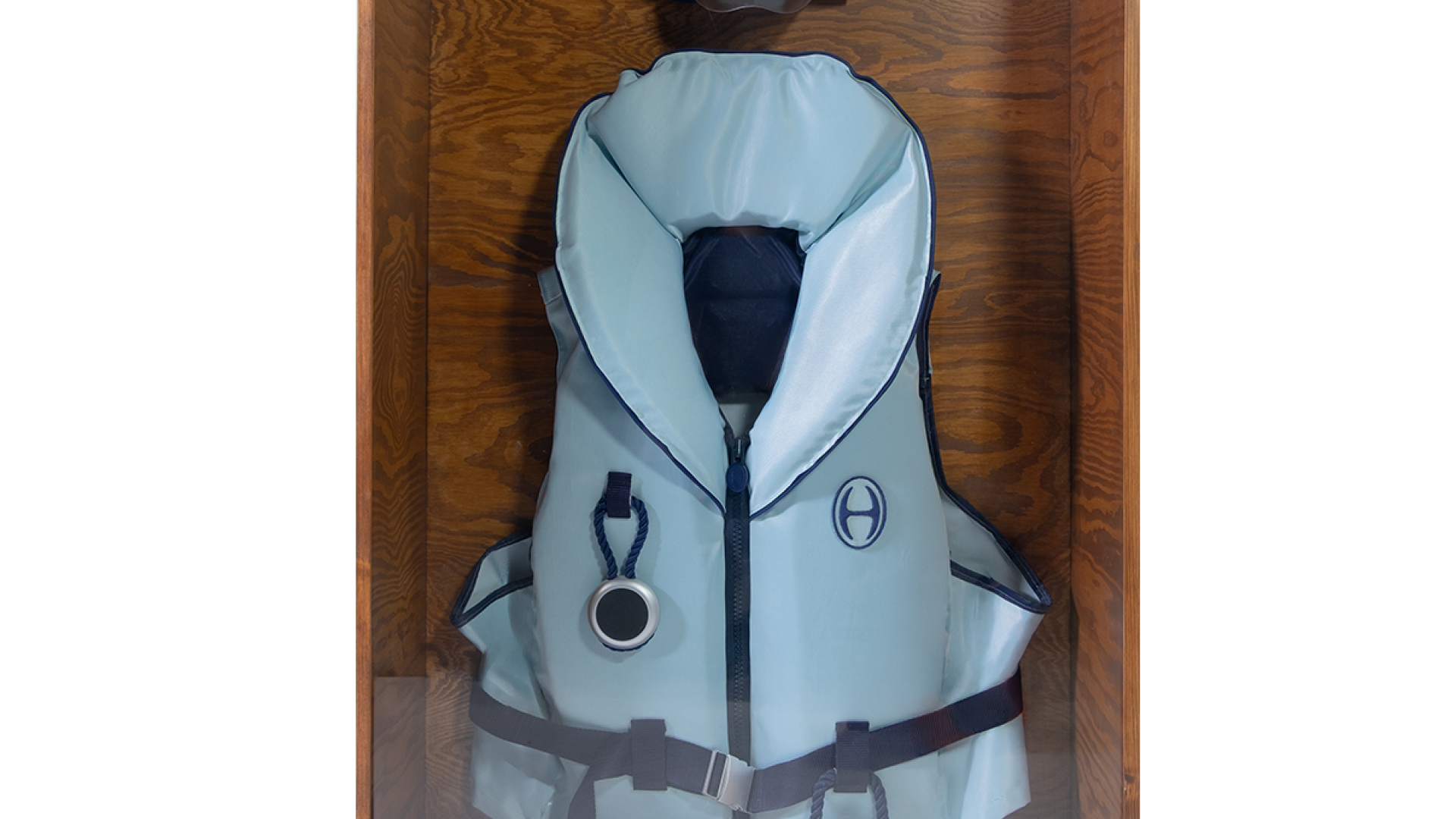
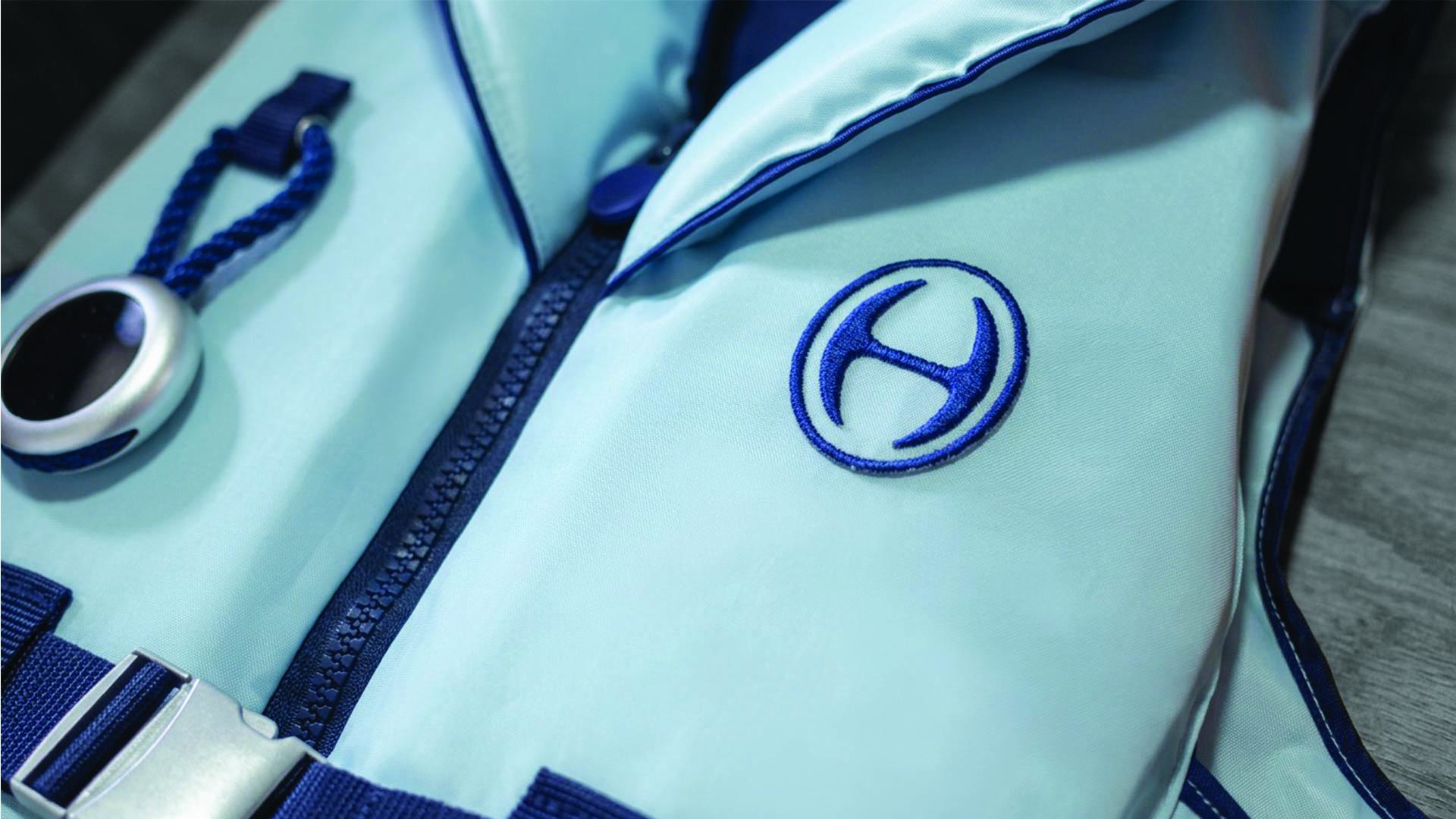
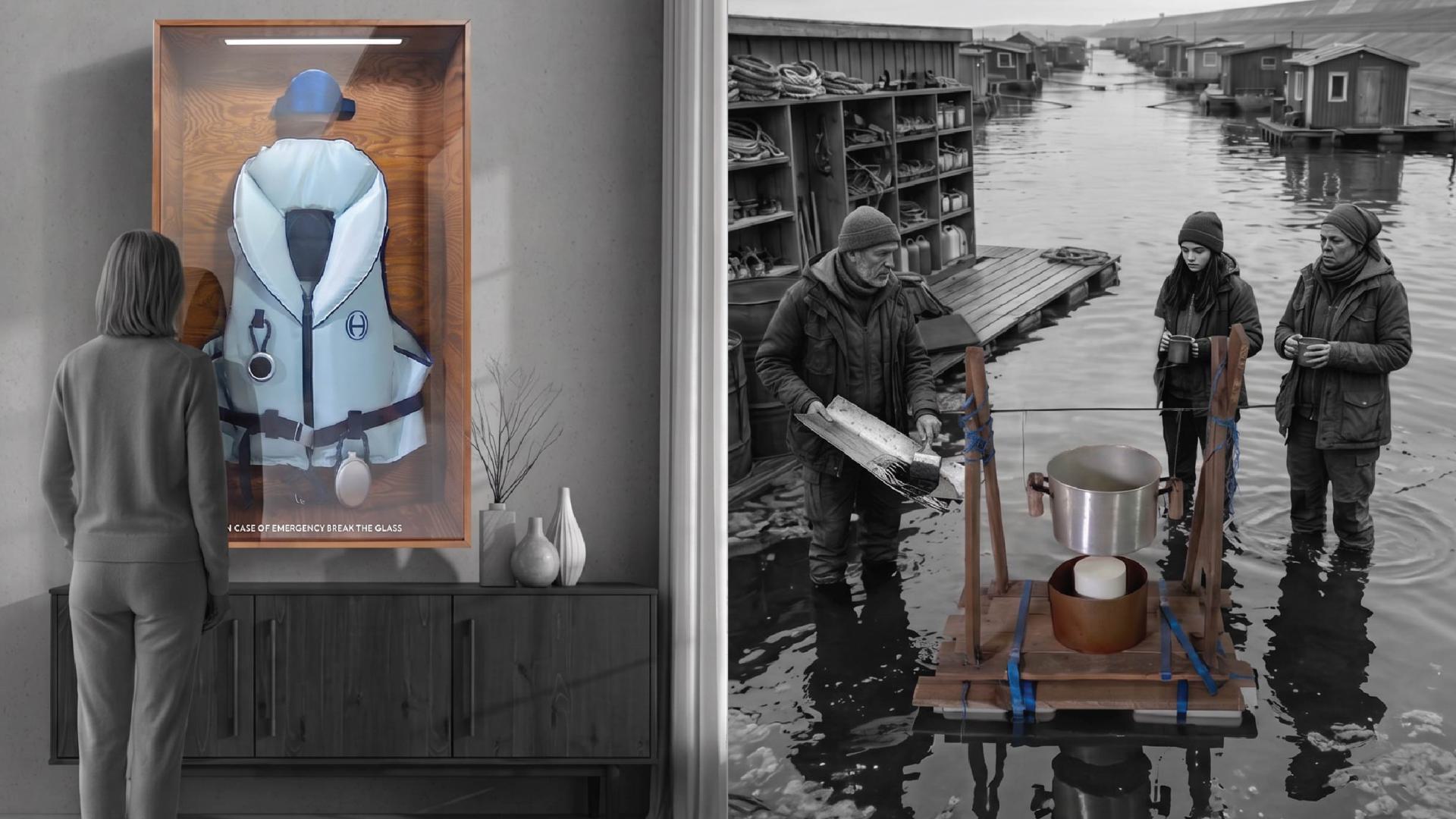
To materialise these divergent realities, the project uses a comparative speculative design framework, building two contrasting toolkits around a shared functional anchor: the tool. ESCAPE embodies privatised disengagement through Harbour, a satirical luxury lifestyle brand. The suite contains a tailored, status-centred life vest, AR goggles that digitally redact surrounding wreckage, an extraction-only vector compass, and a titanium flask containing pre-melt glacial water. These objects sit inside a mahogany display box marked with the words “In Case of Emergency Break the Glass,” turning disaster preparedness into a piece of domestic decor.
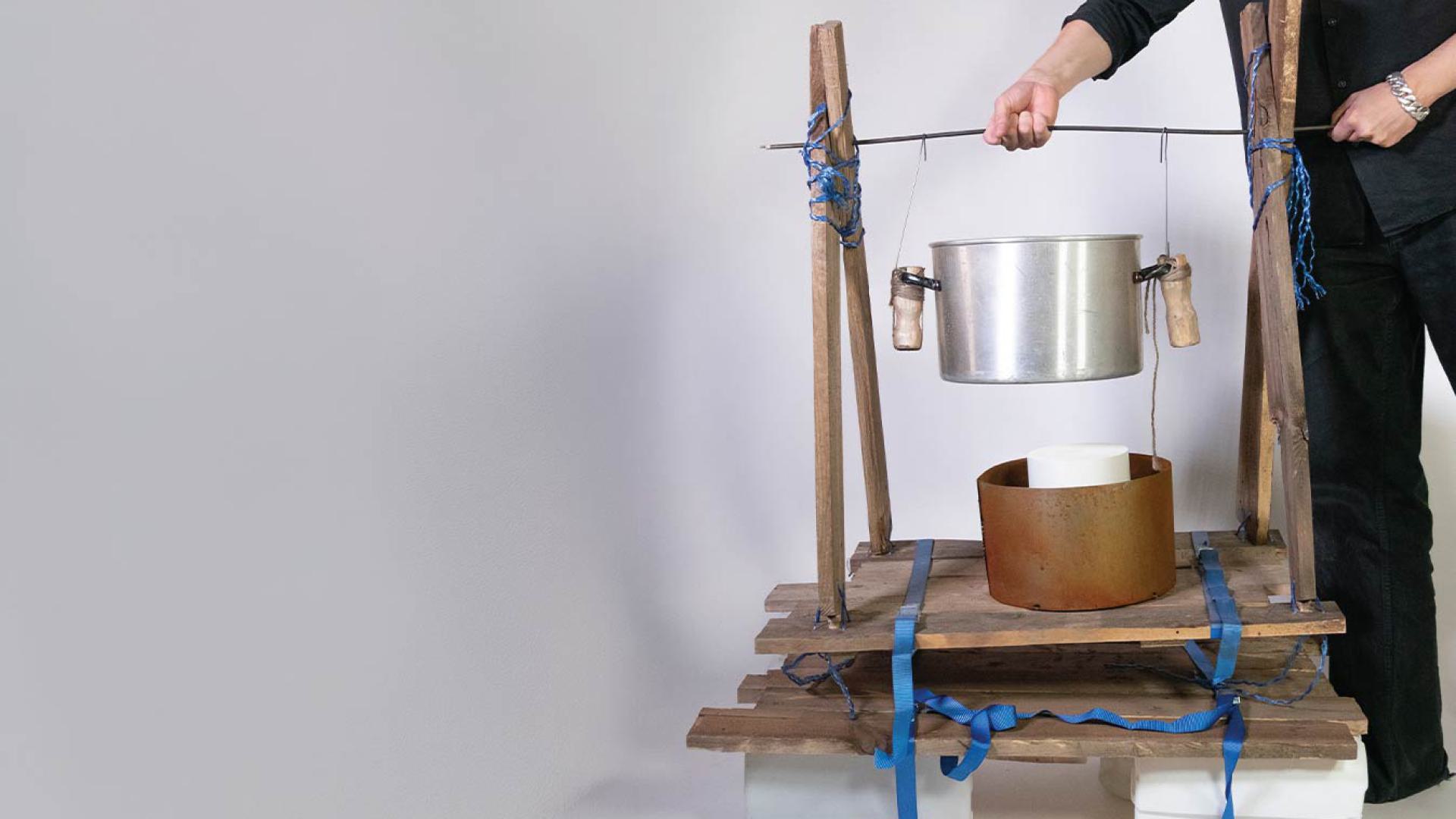
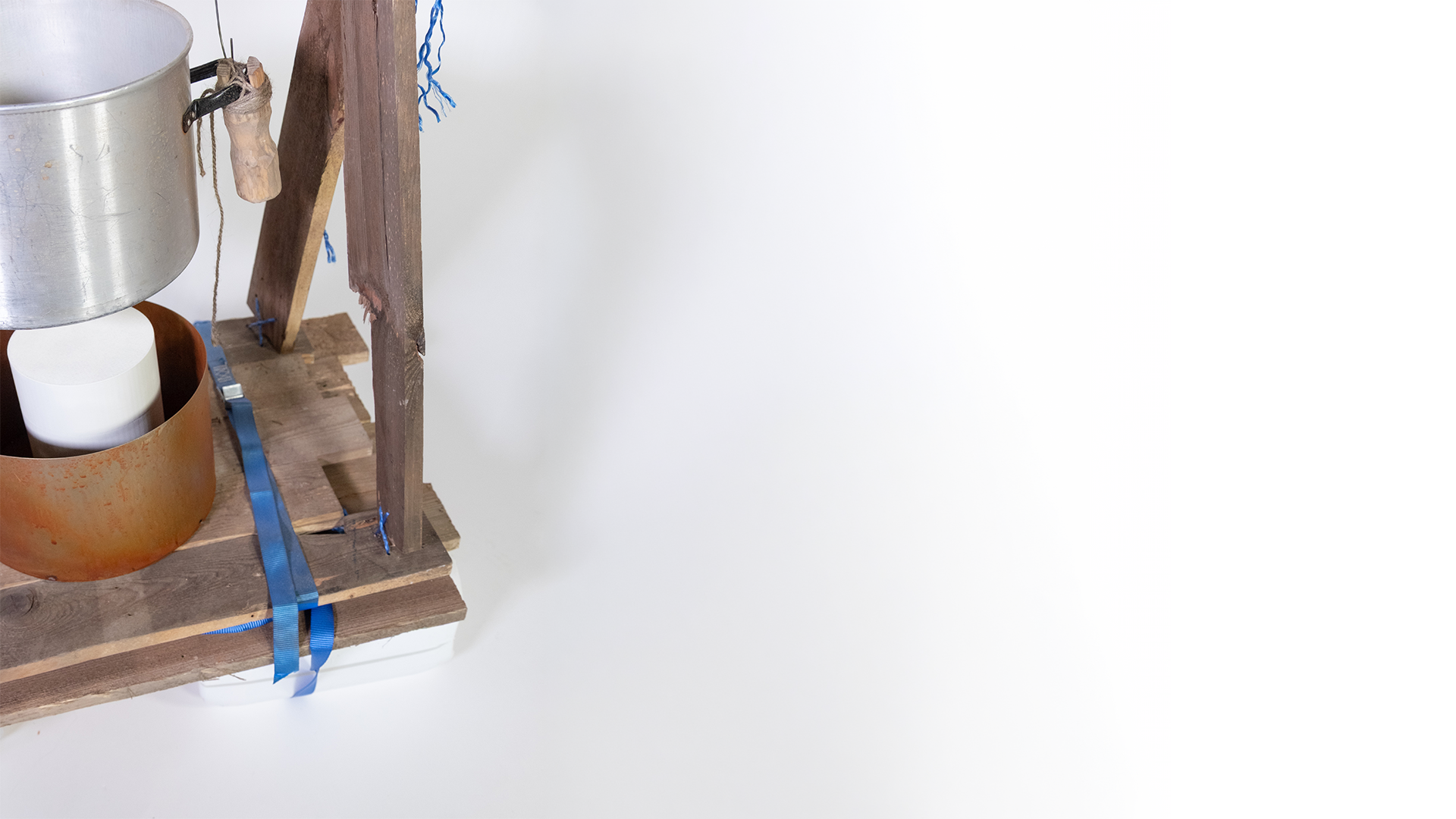
In contrast, STAY focuses on collective persistence outside the wall. Here, salvaged beach huts form floating community hubs maintained by a modular patching raft. Using salvaged rope fibres, harvested pine resin, and other upcycled materials, this low-tech caulking toolkit replaces consumption and private ownership with shared labour and circulating resources. Here, collective maintenance becomes a collaborative ritual to keep infrastructure afloat.
The Critique
At its core, this project takes aim at our default impulse to look away from systemic crises and consume our way out of them. We easily fall into the trap of solutionism: the comfortable illusion that climate breakdown can be solved or designed-out-of. Harbour pokes fun at this illusion, showing how luxury finishes and branded gear let us buy peace of mind while abandoning the world outside our walls. This project also challenges industrial design as a profession and educational discipline. By placing sleek commodities alongside the rough, scavenged tools of the Stayers, the work exposes how everyday objects actively shape power, privilege, and human agency. It argues that designers must stop manufacturing the "new" and start focusing on the unglamorous reality of keeping things working. Tools for Collapse calls for a fundamental reset: moving away from designing personal escape routes, and instead building the shared tools, interdependence, and habits of care needed to actually stay with the trouble.