The soil: a hidden system where water has nowhere to go
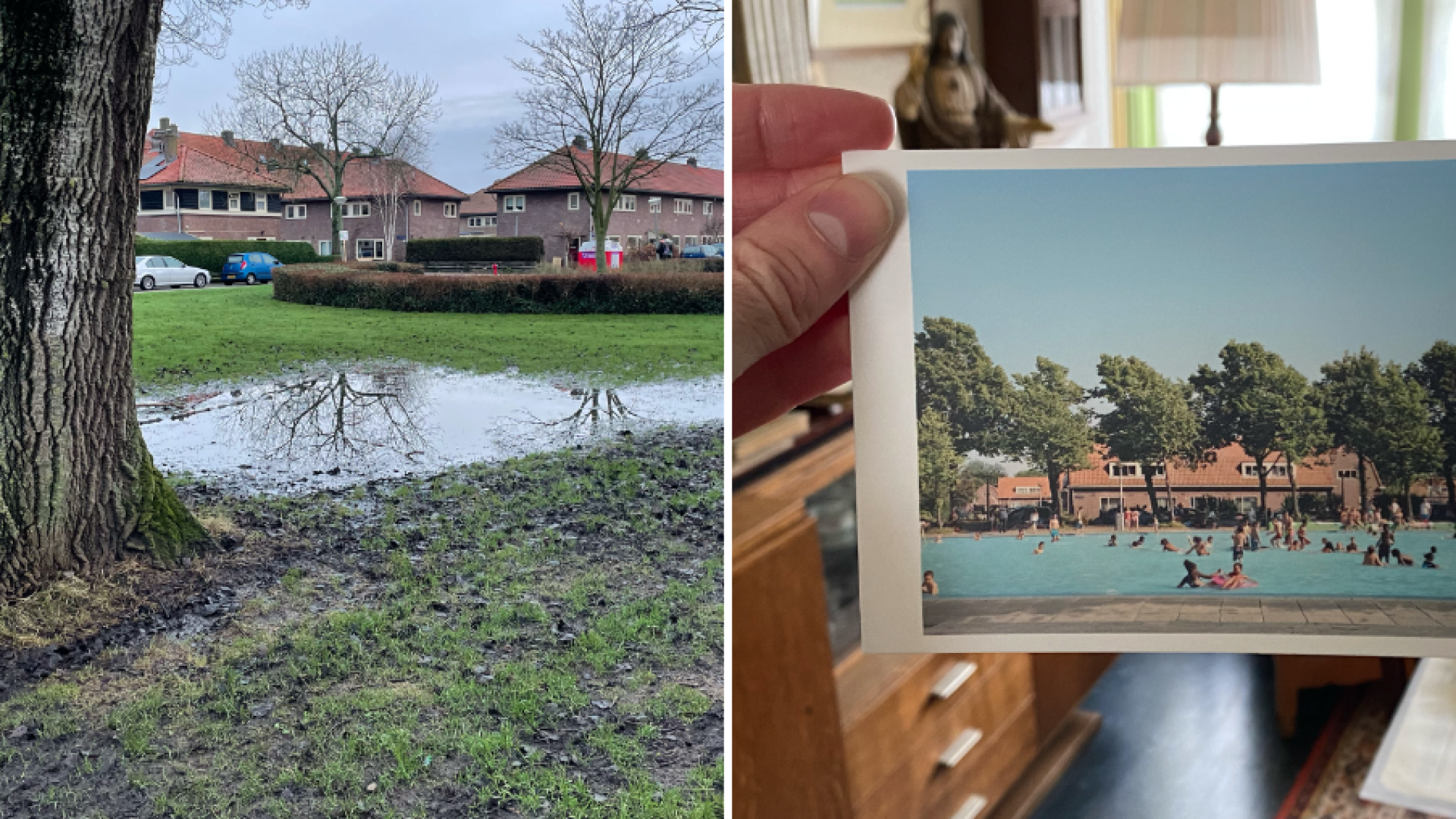
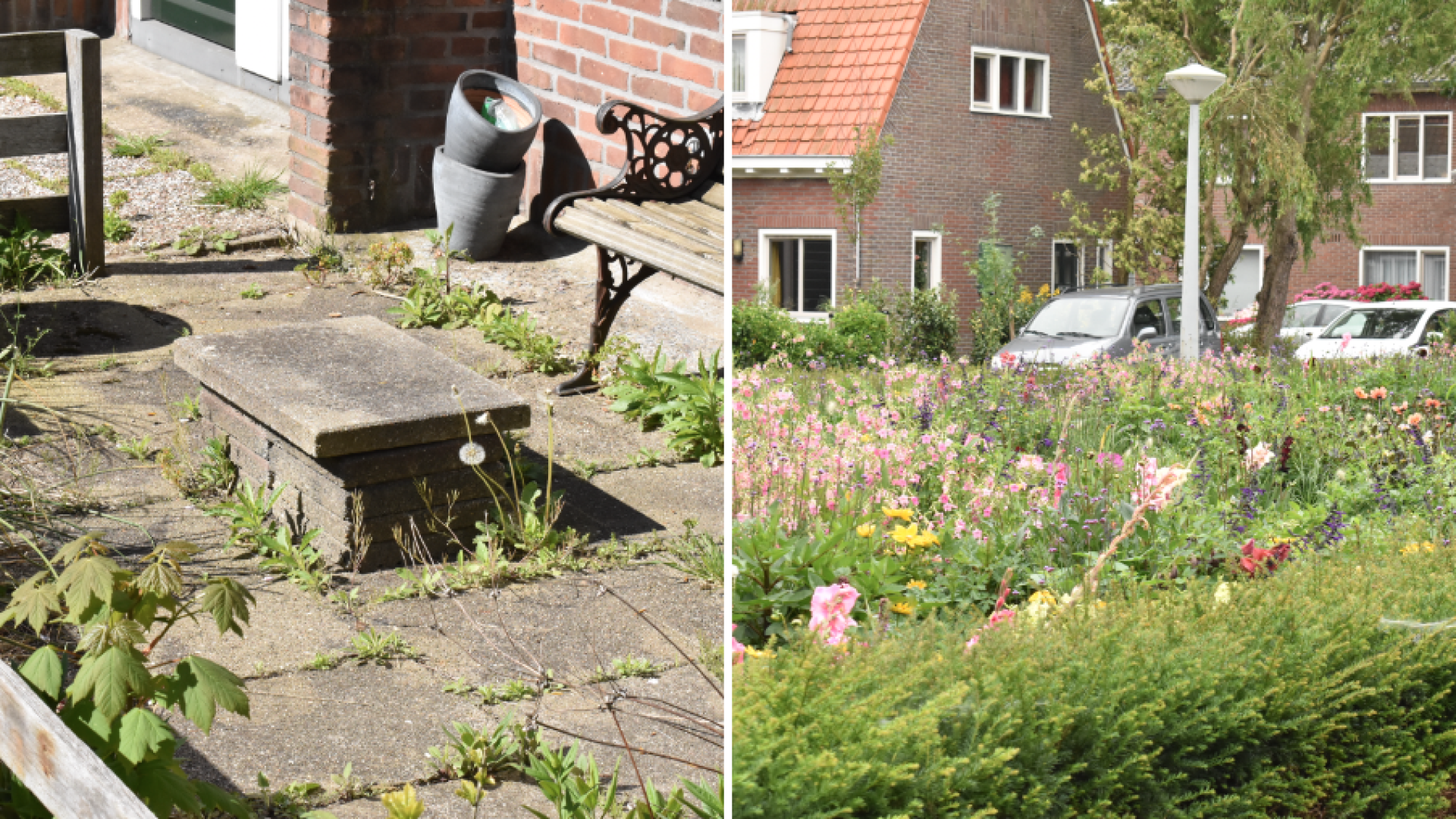
Beneath our feet lies a system we rarely think about. Soil absorbs water, holds it and releases it slowly. In more and more places this no longer works: the ground is paved, compacted and saturated. Climate change makes it harder still, with longer droughts, heavier downpours and water that has nowhere to go. In Tuindorp Oostzaan in Amsterdam-Noord it all comes together. The neighbourhood lies more than two metres below sea level and faces high groundwater, paving and soil compaction. For residents this is not an abstract theme but a matter of health and wellbeing, from a damp home to a garden that no longer blooms. At the same time, the problem plays out where nobody looks. The soil is literally covered: by paving stones, by foundations, by habit. Familiar solutions fall short here. The soil is one of the causes of the problem and at the same time the basis for the solution. Bodem voor de Buurt therefore puts one question at its heart, a question that applies everywhere: what does the soil need to absorb water, hold it and release it slowly, and in doing so support the health and wellbeing of everyone and everything living on and in the ground?
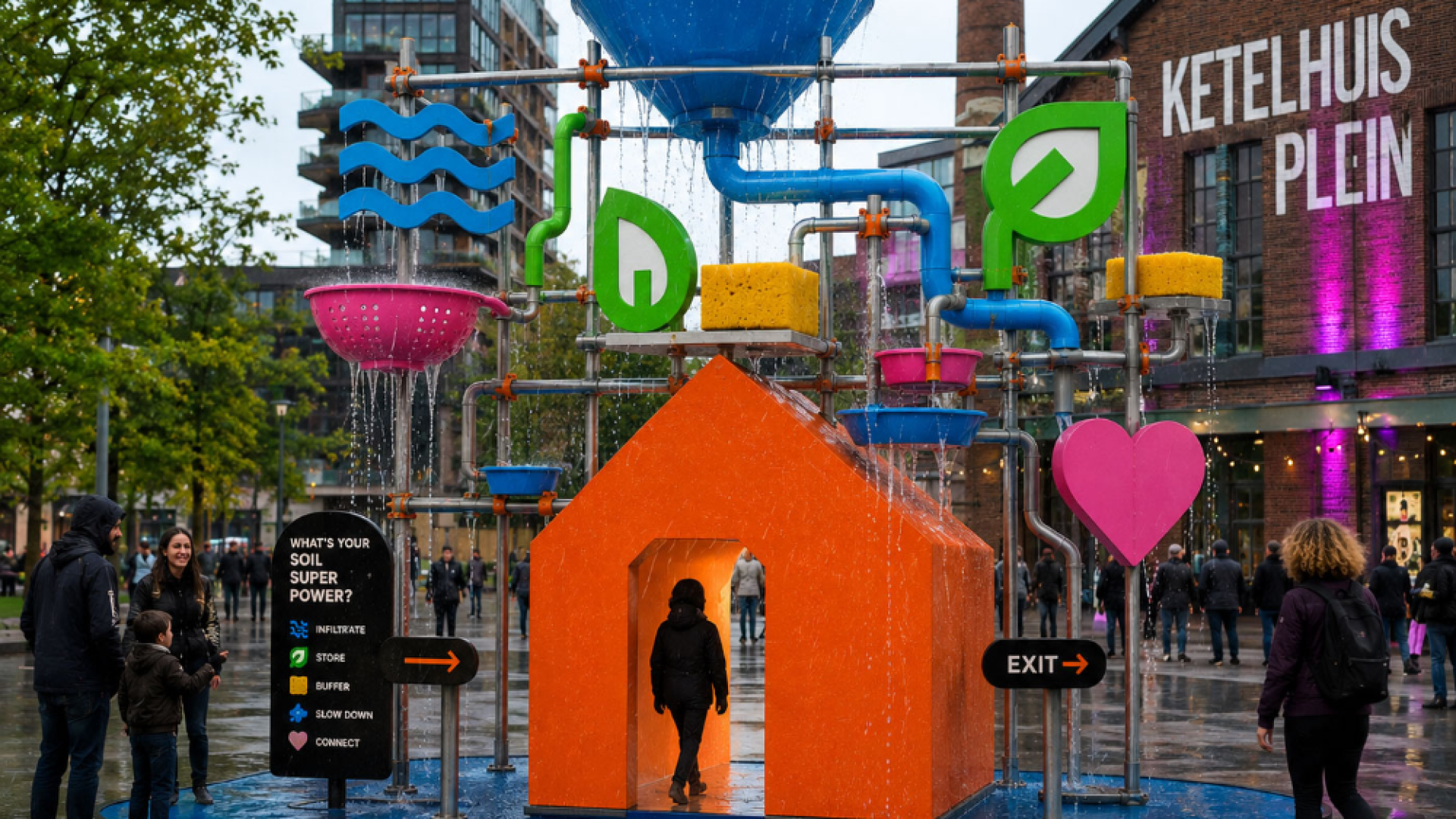
Soil Superpowers: how would you help the water?
Beneath our feet lies a system we rarely think about. Soil absorbs water, holds it and releases it slowly. In more and more places this no longer works: the ground is paved, compacted and saturated. Climate change makes it harder still, with longer droughts, heavier downpours and water that has nowhere to go. In Tuindorp Oostzaan in Amsterdam-Noord it all comes together. The neighbourhood lies more than two metres below sea level and faces high groundwater, paving and soil compaction. For residents this is not an abstract theme but a matter of health and wellbeing, from a damp home to a garden that no longer blooms. At the same time, the problem plays out where nobody looks. The soil is literally covered: by paving stones, by foundations, by habit. Familiar solutions fall short here. The soil is one of the causes of the problem and at the same time the basis for the solution. Bodem voor de Buurt therefore puts one question at its heart, a question that applies everywhere: what does the soil need to absorb water, hold it and release it slowly, and in doing so support the health and wellbeing of everyone and everything living on and in the ground?
A living lab that can only succeed together
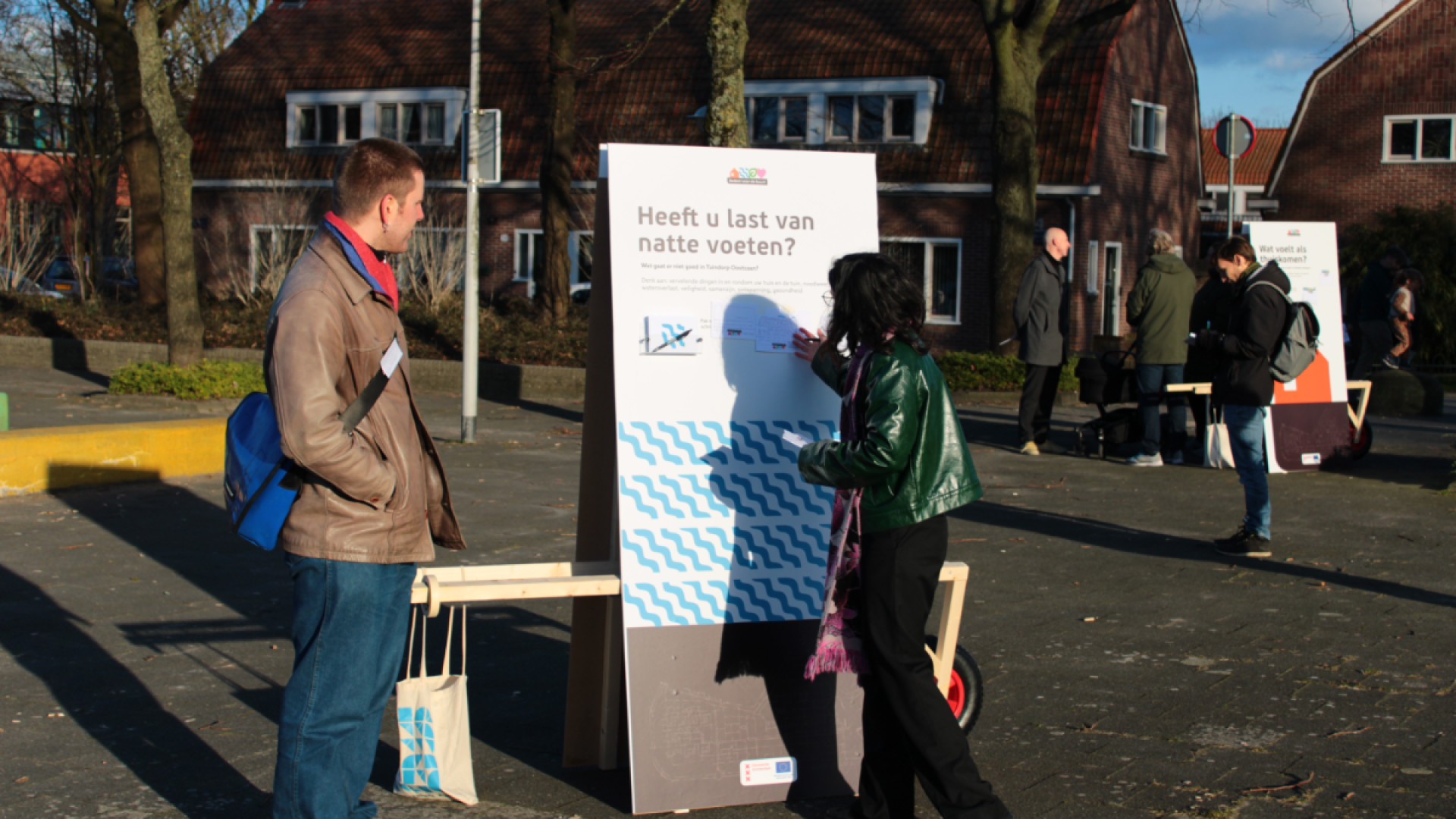
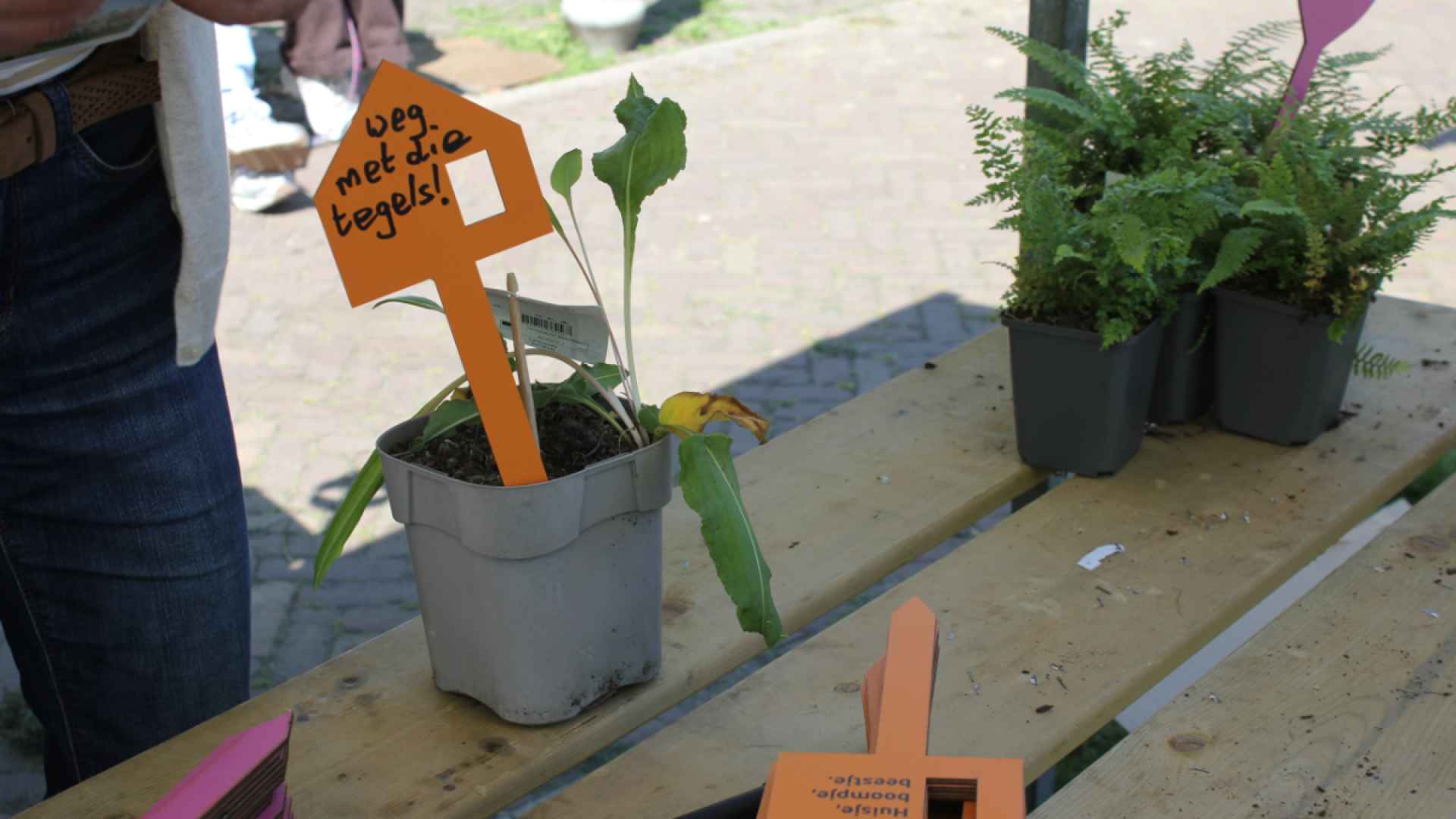
Ground for Wellbeing is a four-year pilot project in which we work with residents, the municipality, housing associations, neighbourhood organisations and knowledge partners, following Soil & Water Sensitive Urban Design. We research, test and learn what works, what causes friction and what can be transferred. This is how a design for the Plejadenplein grew, bringing together water storage, play, shade and biodiversity. We are now designing measures for homes and gardens: from rain gardens and worm hotels to smarter use of rainwater, tried out small and improved step by step. The neighbourhood's role grows from taking part to organising itself. Municipalities see how a technical challenge gains a human approach, housing associations how residents' perspectives build support, designers how social design strengthens a spatial plan, and residents that this issue is not for experts alone. Because change does not come from technology or policy alone, but when people understand the challenge, feel connected and move together. What we gather here becomes a toolkit of physical, social and ecological measures for neighbourhoods facing the same challenge, in the Netherlands and Europe.