17-25 October 2026

Visual DNA: Woven memories of Incheon

Hosted by HYEJIN JO

Log in to save this programme item to a favourite list.

Login

Entrance fee

Free access

Event type

Exhibition

Accessibility

Toilets available

Opening hours

11:00
-
18:00
11:00
-
18:00
11:00
-
18:00
11:00
-
18:00
11:00
-
18:00
11:00
-
18:00
11:00
-
18:00
11:00
-
18:00
11:00
-
18:00
Hand-sewn textile details
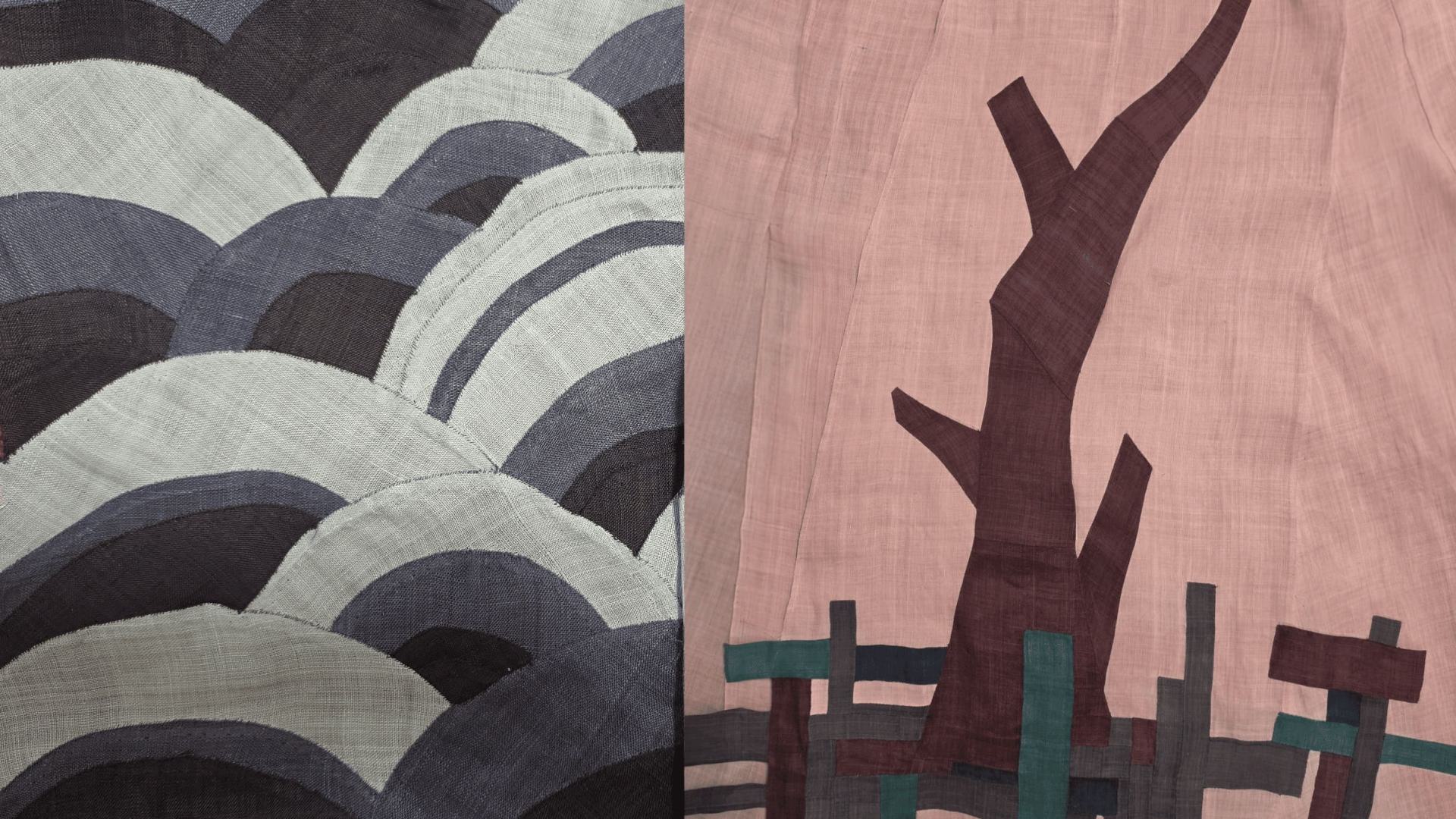
Korean designer Hyejin Jo turns her parents’ lives and memories in Incheon into two hand-sewn Hanbok pieces. Colours, materials and forms drawn from their stories come together through jogakbo, reflecting how different lives come together to shape a

Woven Memories

Hyejin’s parents came to Incheon from different places. There, they met, worked, raised a family and built a life together. As Hyejin researched their stories, she noticed that many of their neighbours had also come from elsewhere, each bringing different backgrounds, experiences and memories. This led her to see Incheon as a city shaped by the many lives that have come together there. This observation became the starting point for the project.

Visual DNA

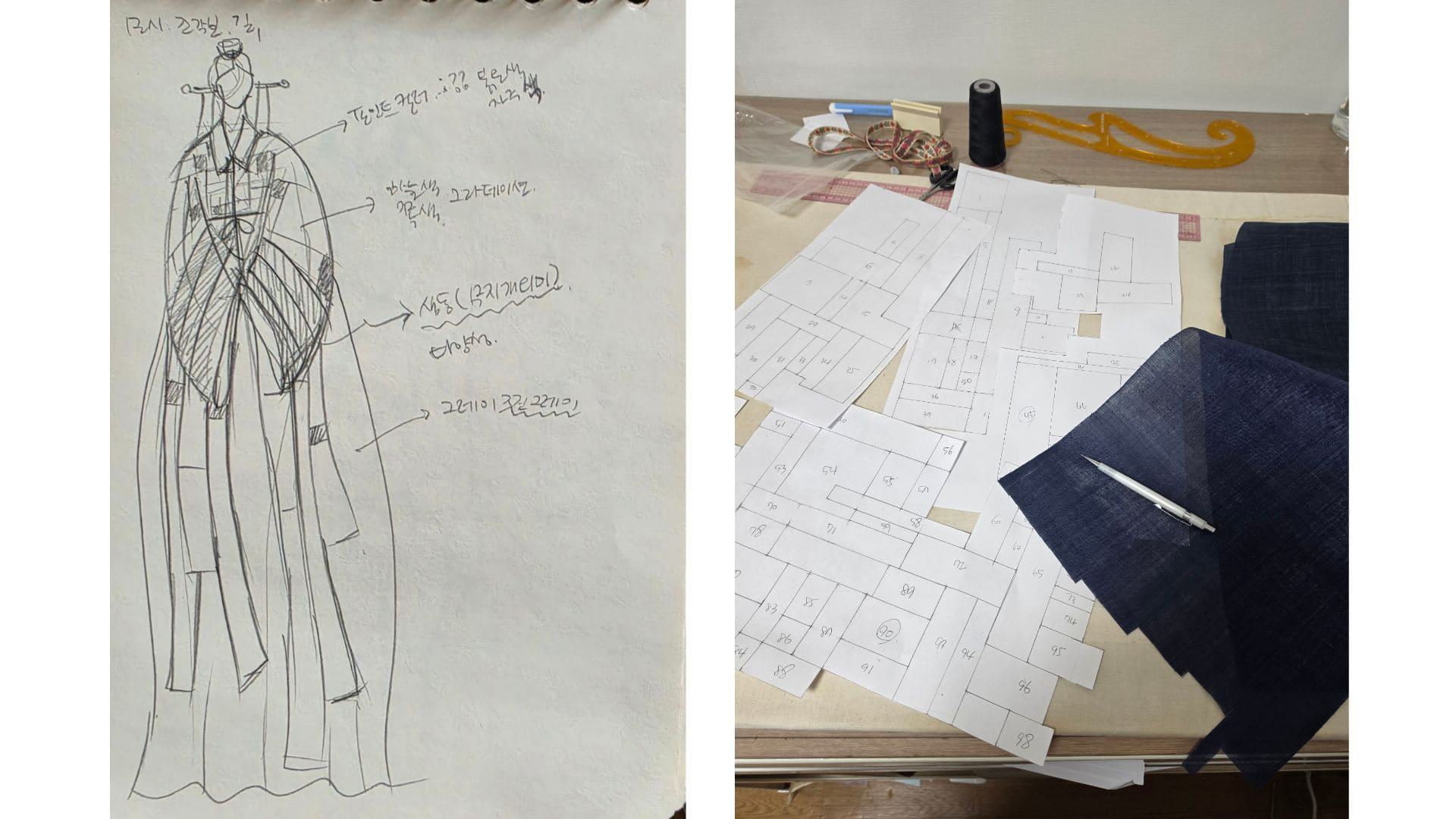
Jogakbo, a traditional Korean patchwork technique, brings this idea into the work. By joining separate pieces of fabric into a whole, its structure reflects Hyejin’s view of Incheon as a city shaped by people from different places and backgrounds. Rather than reproducing traditional jogakbo, she uses this principle of joining as a design language. Colours, materials and details drawn from her parents’ stories come together in two hand-sewn Hanbok pieces, connecting their personal memories to the city they helped shape.

Ready to visit?

Come to Dutch Design Week and make this project part of your visit.

Buy tickets
Design development and making process

About HYEJIN JO

Hyejin Jo is a Korean designer who uses Hanbok as a contemporary visual language. Through interviews and research, she explores how individual lives are shaped by their social and cultural surroundings and turns these findings into design. She sees Hanbok not simply as traditional dress, but as a visual record of how Korean society and culture have changed over time.