From Classroom to Real Life: Inclusive Kitchen Design
In China, design education often stays within the classroom. Many projects are developed without user contact, and inclusive design rarely moves beyond theory. To challenge this, we organized a workshop in collaboration with the Shanghai Industrial Design Association and students from Donghua University and East China University of Science and Technology.
The focus was the kitchen—an everyday space where elderly and disabled people face hidden difficulties. Students cooked blindfolded or with one hand, visited communities, and listened to personal stories. These revealed urgent problems: how to measure water without sight, cut food safely with one hand, or recognize spices without labels.
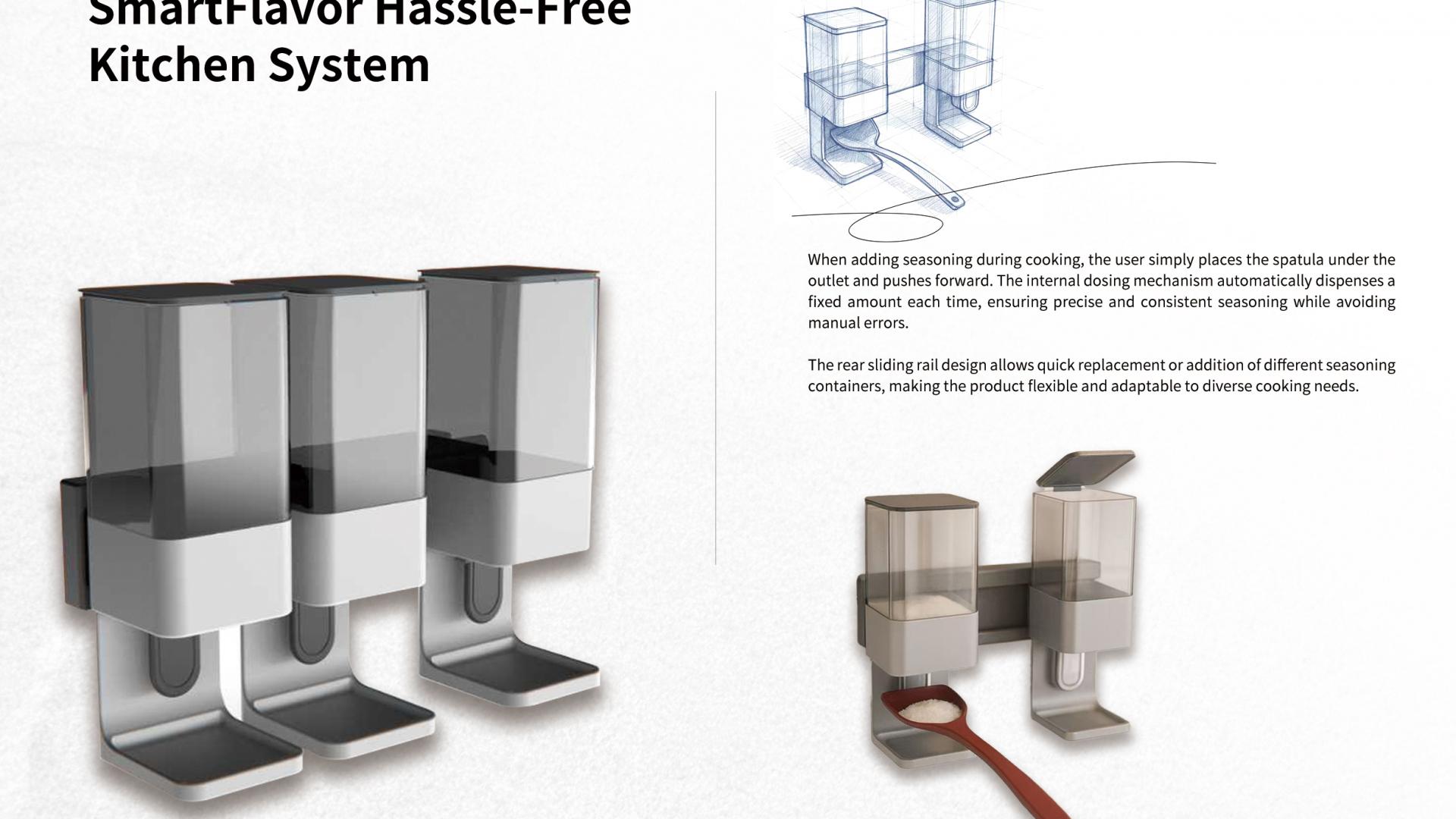
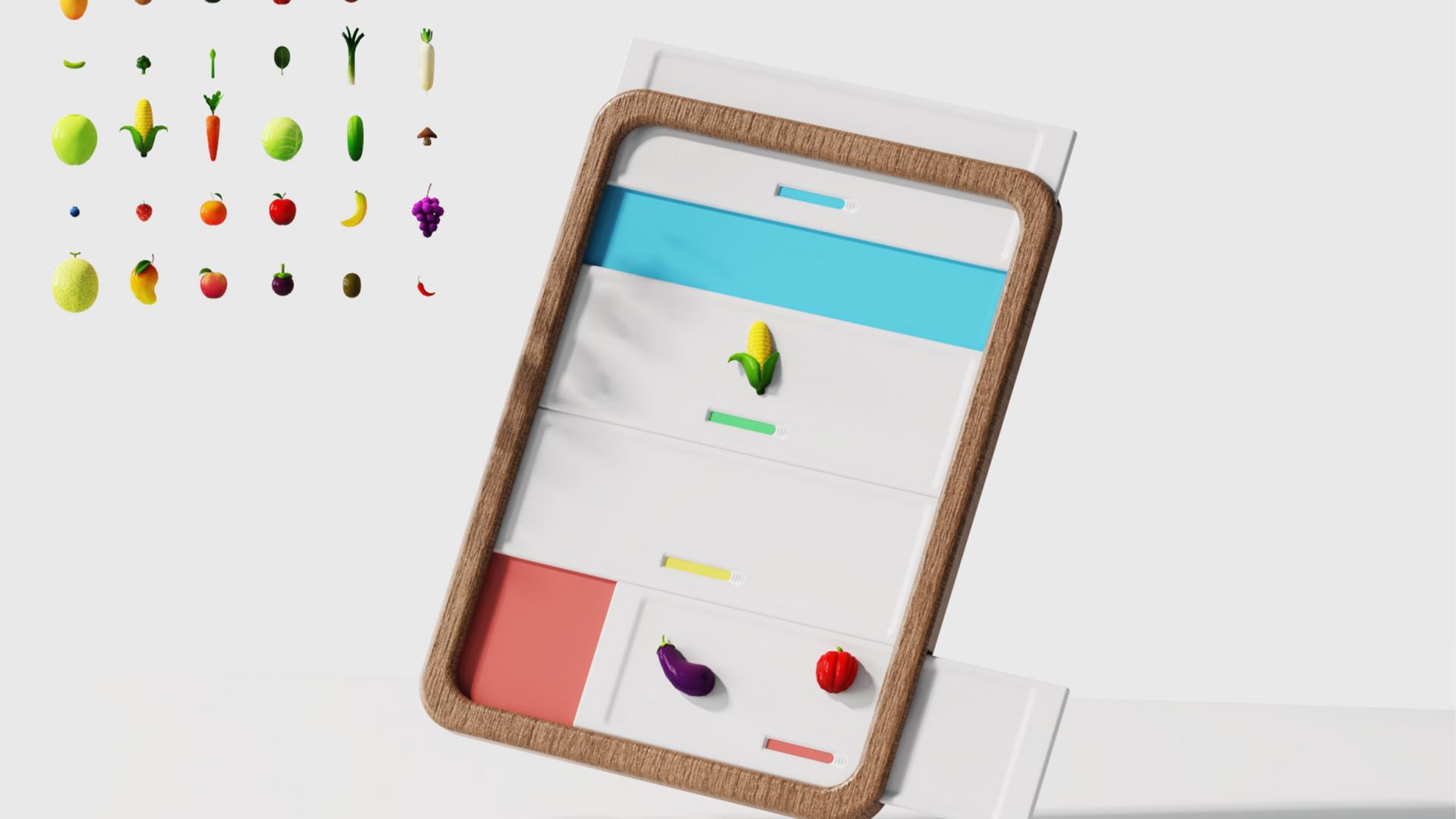
Guided by the idea of “the body as a tool,” students created prototypes such as tactile spice jars, pot lids with sound cues, and multifunctional cutting boards. Unlike classroom concepts, these were tested with users and refined after feedback.
The results, shown at Dutch Design Week 2025, demonstrate a shift from designing for assignments to designing for real impact.