The origin of image, symbol, and intention
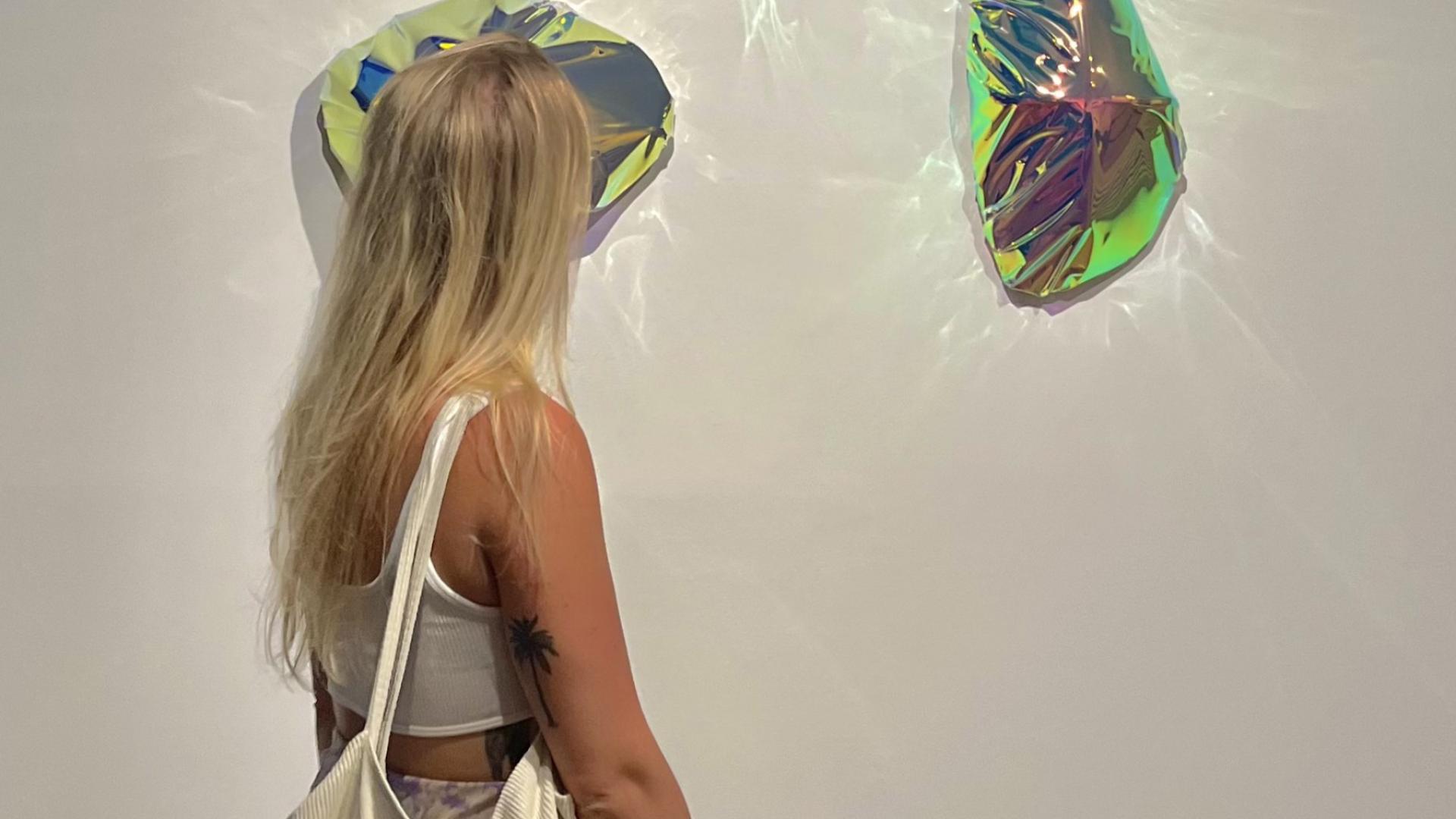
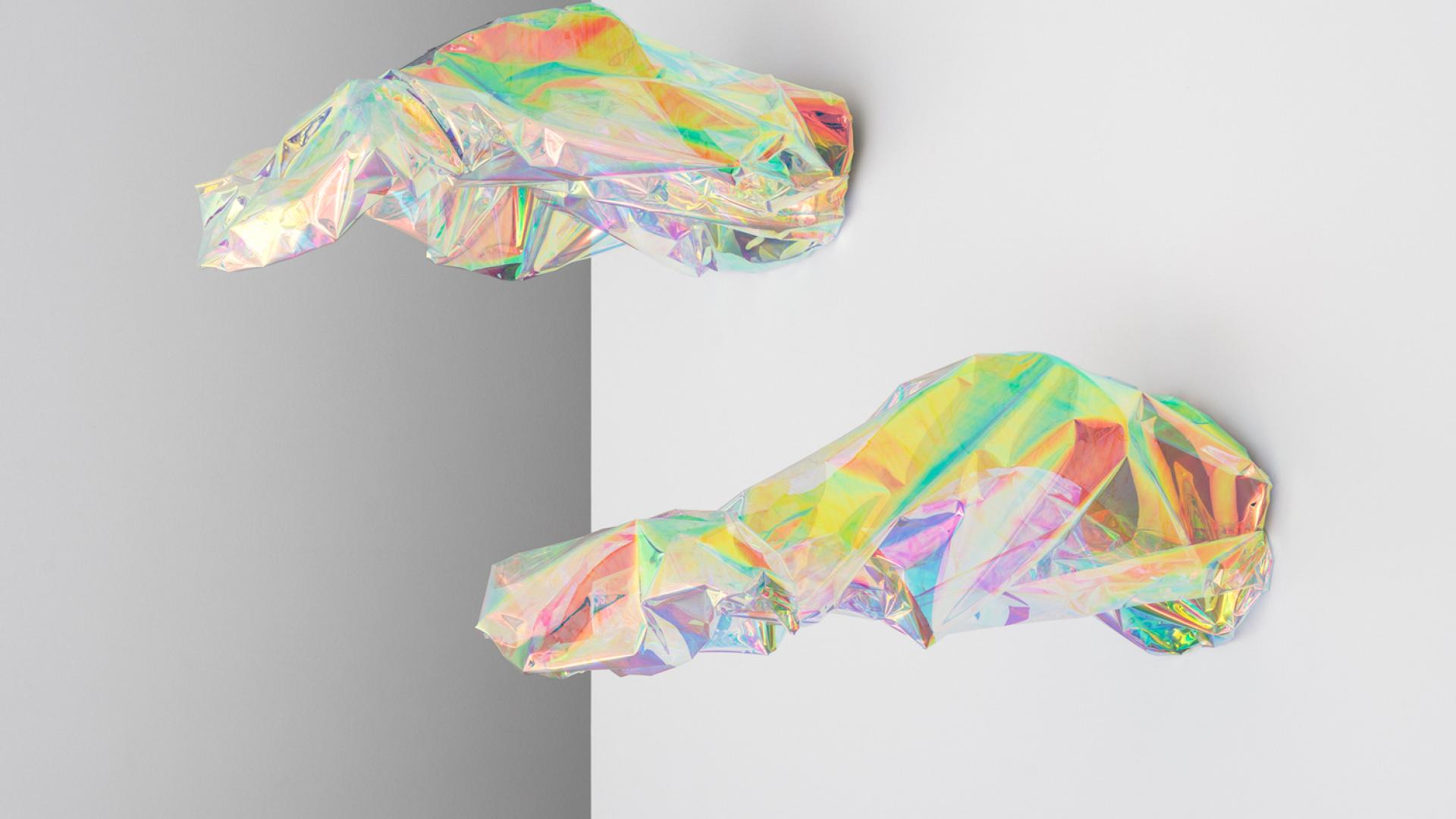
In these primordial spaces—caves etched with pigment and breath—we encounter the origin of image, symbol, and intention. Shanidar X traces a line from these raw acts of expression to our contemporary condition, not to aestheticize the past, but to expose the persistent, unresolved need within us to leave a mark. This is not design as function or utility, but making as instinct—as an existential necessity.
The sculptures act as conduits to a time when creation was a spiritual and survival-driven act—one that bound the human to the world through myth, ritual, and matter. By invoking names like Lascaux, Chauvet, and Shanidar—an archaeological site where Neanderthals may have buried their dead— I invite a confrontation with the deep, unresolved mystery of why we make put in a setting that evokes our modern urge for self-representation and entertainment.
Before there was craft, architecture, or product, there was art making
In Shanidar X, the cave is not only a physical space but a conceptual one: a threshold between darkness and light, presence and absence, human and more-than-human. These works exist not as artifacts or recreations, but as contemporary echoes of a force older than language—a force that underpins all acts of cultural production.
In the context of Dutch Design Week, Shanidar X refuses categorization. It positions itself in the fine arts, as a reminder that before there was craft, architecture, or product, there was art making—born not of utility, but of wonder, fear, storytelling and awe.