1: Frozen Chair
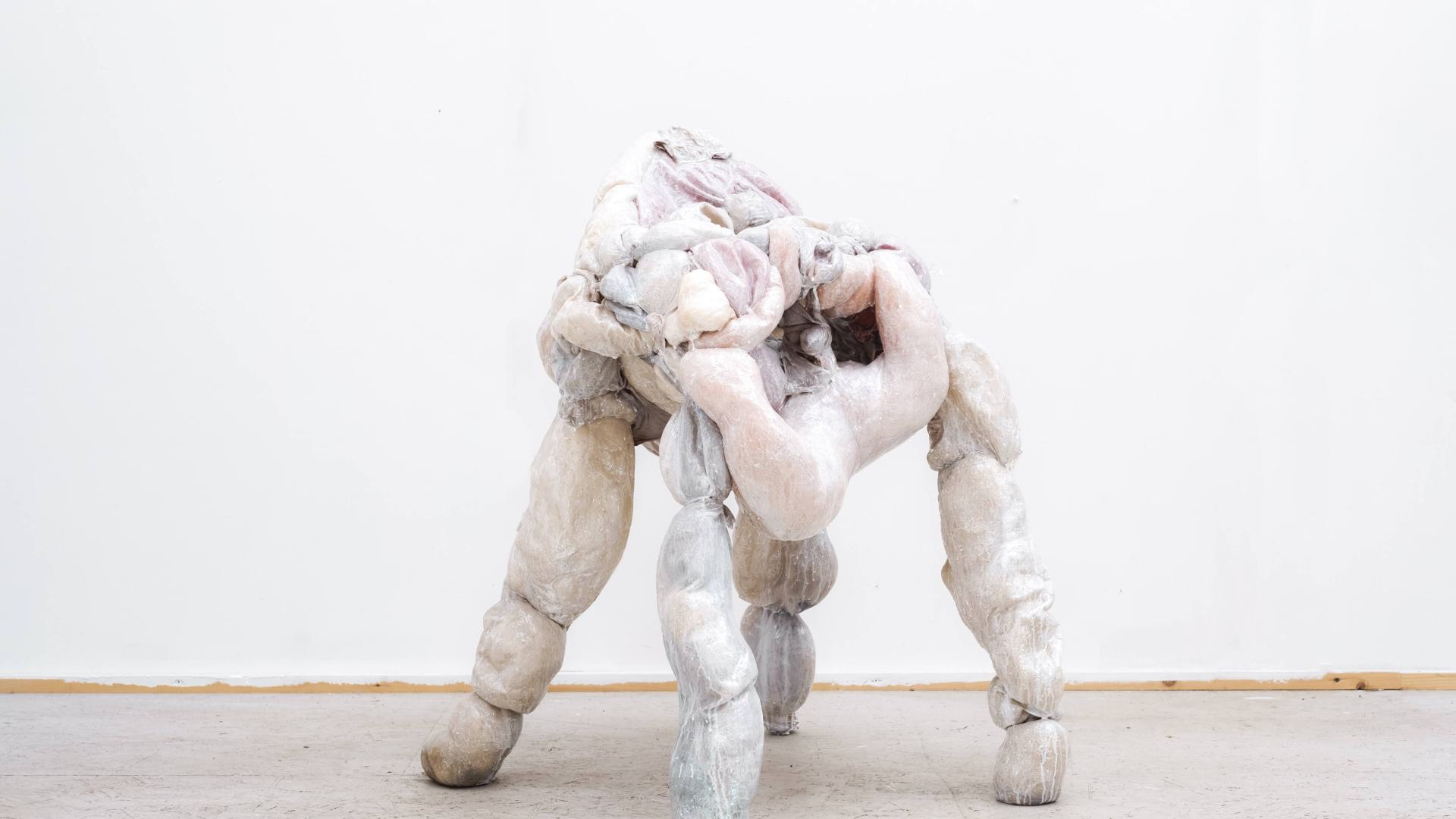
This piece embodies the first phase of female transformation — the moment when a woman feels frozen in the decision of whether or not to have a child. It’s an uncomfortable state, one that feels full of choice and devoid of it. Contraception, abortion, the decision to have sex at all — each choice leaves traces on the body.
The sculptural chair Frozen makes this tension tangible and feelable. It evokes frozen flesh, a body caught between desire and control. Sitting in it creates a physical experience of both discomfort and massage — a contradiction mirroring the emotional one.
The chair invites men in particular to inhabit this state, to feel the bodily paradox of the baby question.
2: Bridal Chair
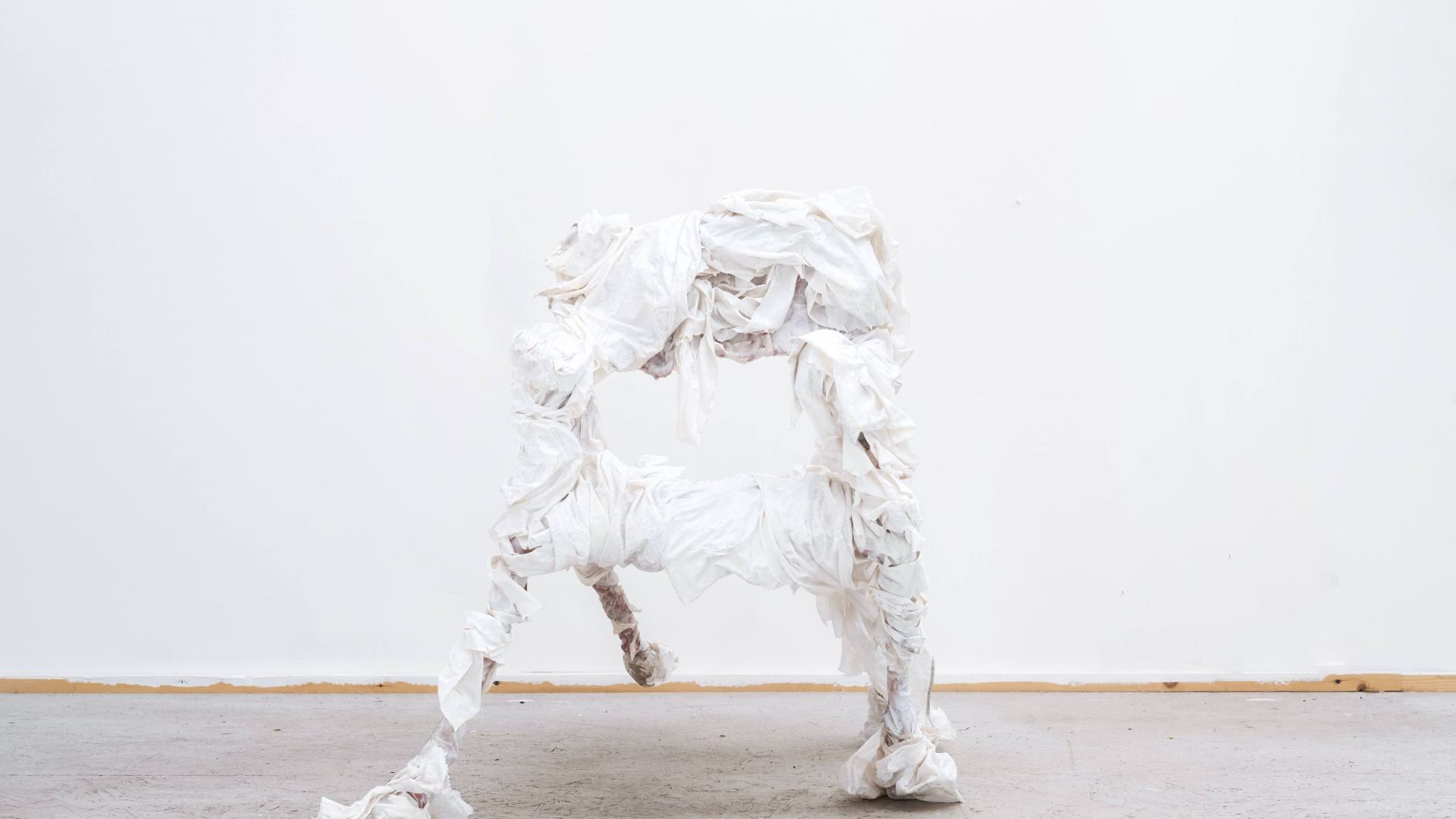
Bridal Chair represents the second phase of female transformation — the moment when the desire for connection and security takes shape in the form of marriage. The white tulle and fragile materials evoke romance and purity, but also suffocation and fragility.
At first glance, the chair appears inviting, almost gentle, yet it is too delicate to rely on, and it is literally staggering. It questions what is expected of women within the ritual of marriage — surrender, adaptation, and the quiet loss of personal space.
Bridal Chair is both tribute and dissection — a moment between dream and reality, where beauty and limitation intertwine. She is designed for broad hips, so even more interesting for men to seat in.
3: Womb Chair
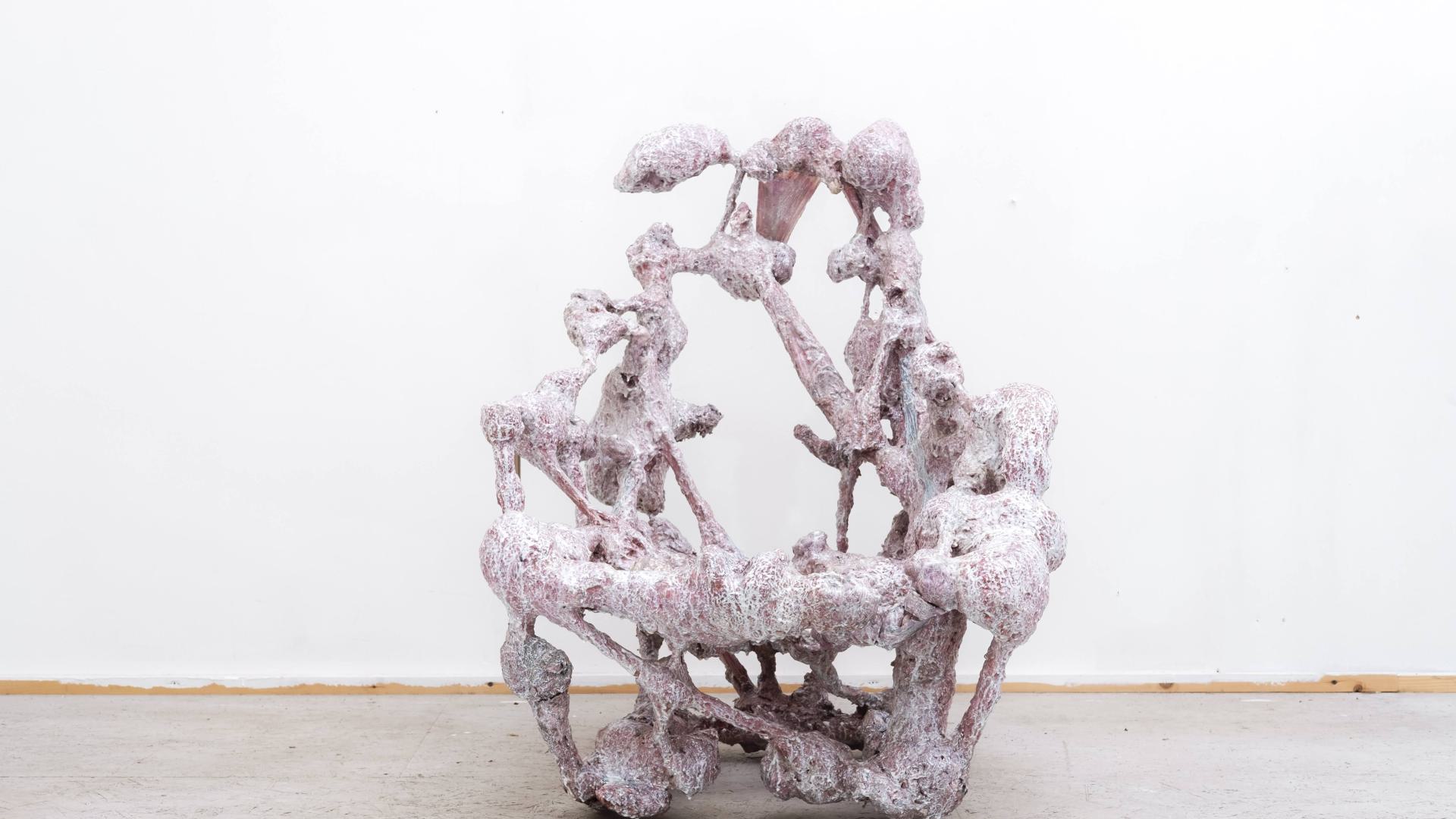
Womb Chair marks the third phase of female transformation — the moment after birth, when the woman shifts from lover to mother. Constructed from remnants of a child’s seat and wrapped in women’s tights and seemingly soft, skin-like materials, it embodies both tenderness and fatigue. In this phase, sexuality loses its previous purpose; desire gives way to care for another body. The woman becomes space — literally and metaphorically — in which something else lives. The chair captures the merging of love, exhaustion, and loss of self. You can even try, at own risk, placing your child in it — a soft, uneasy, screaming echo of the original sense of safety, resulting in guilt and shame for the failing parent.