The problem
In cities, we are confronted with two important challenges. Firstly, the expansion of urban areas causes the loss and fragmentation of natural areas, and a decline in biodiversity. Secondly, urban areas are warmer and less able to manage rainwater than surrounding rural areas, increasing heat-related health risks and the summer energy demand for cooling. Green areas could play multiple important roles here: they could increase biodiversity, provide cooling, improve water management by retaining water for longer, and enhance the wellbeing of residents. At the same time, conventional building materials are often made from non-renewable resources and have a high environmental impact. Therefore, in this project, we explored a combined solution: a sustainable material that can integrate nature into the built environment.
The solution
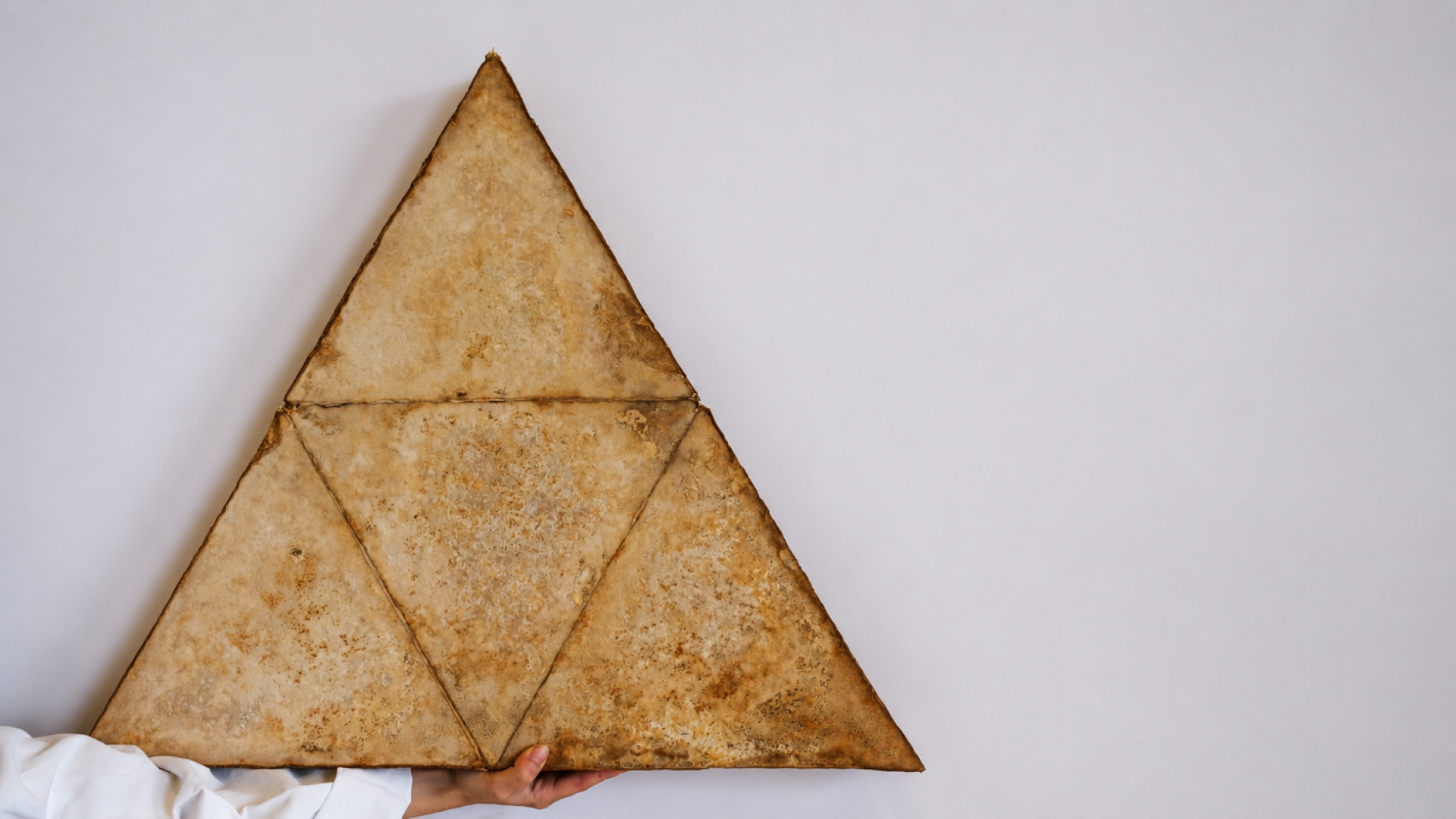
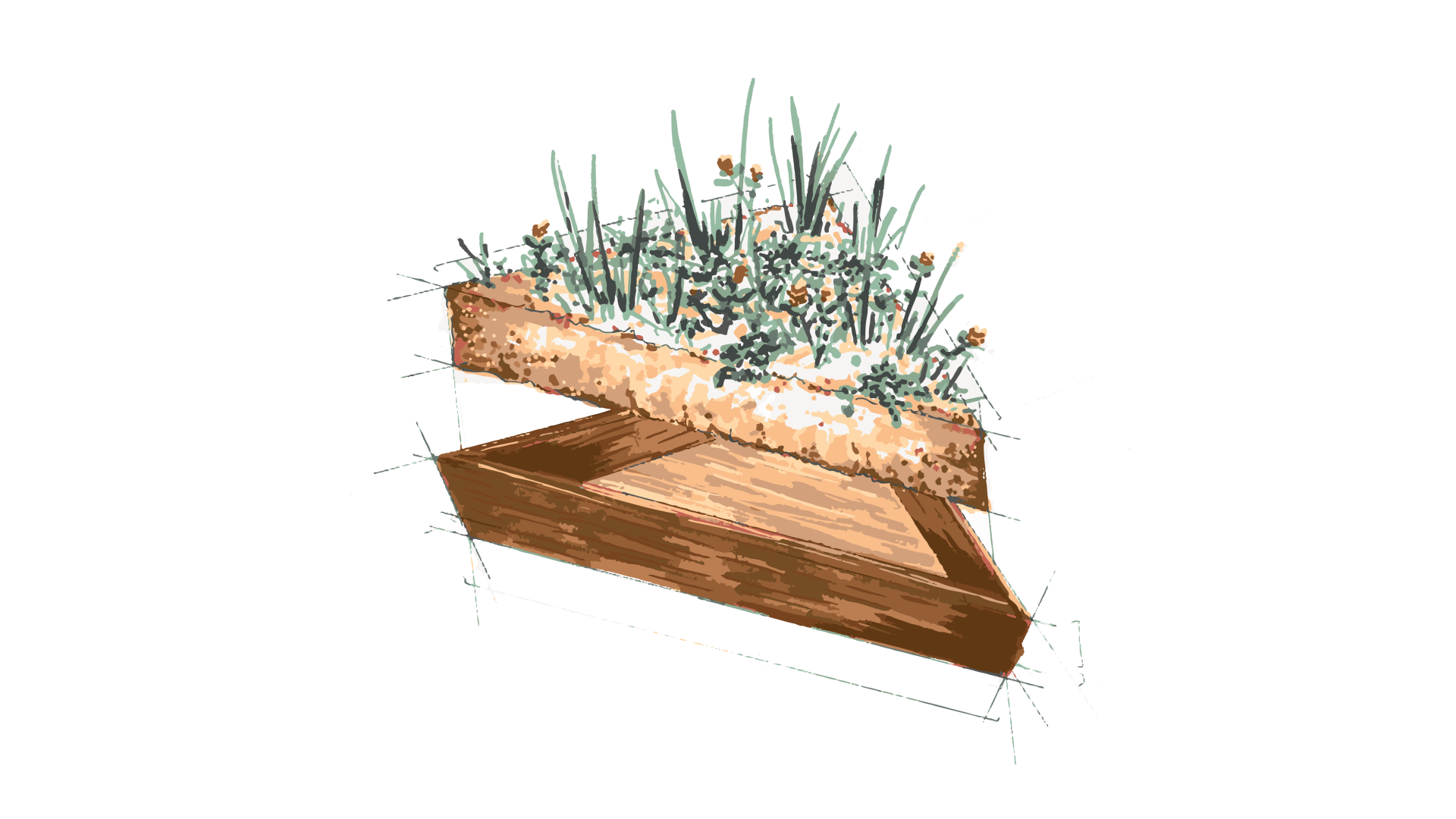
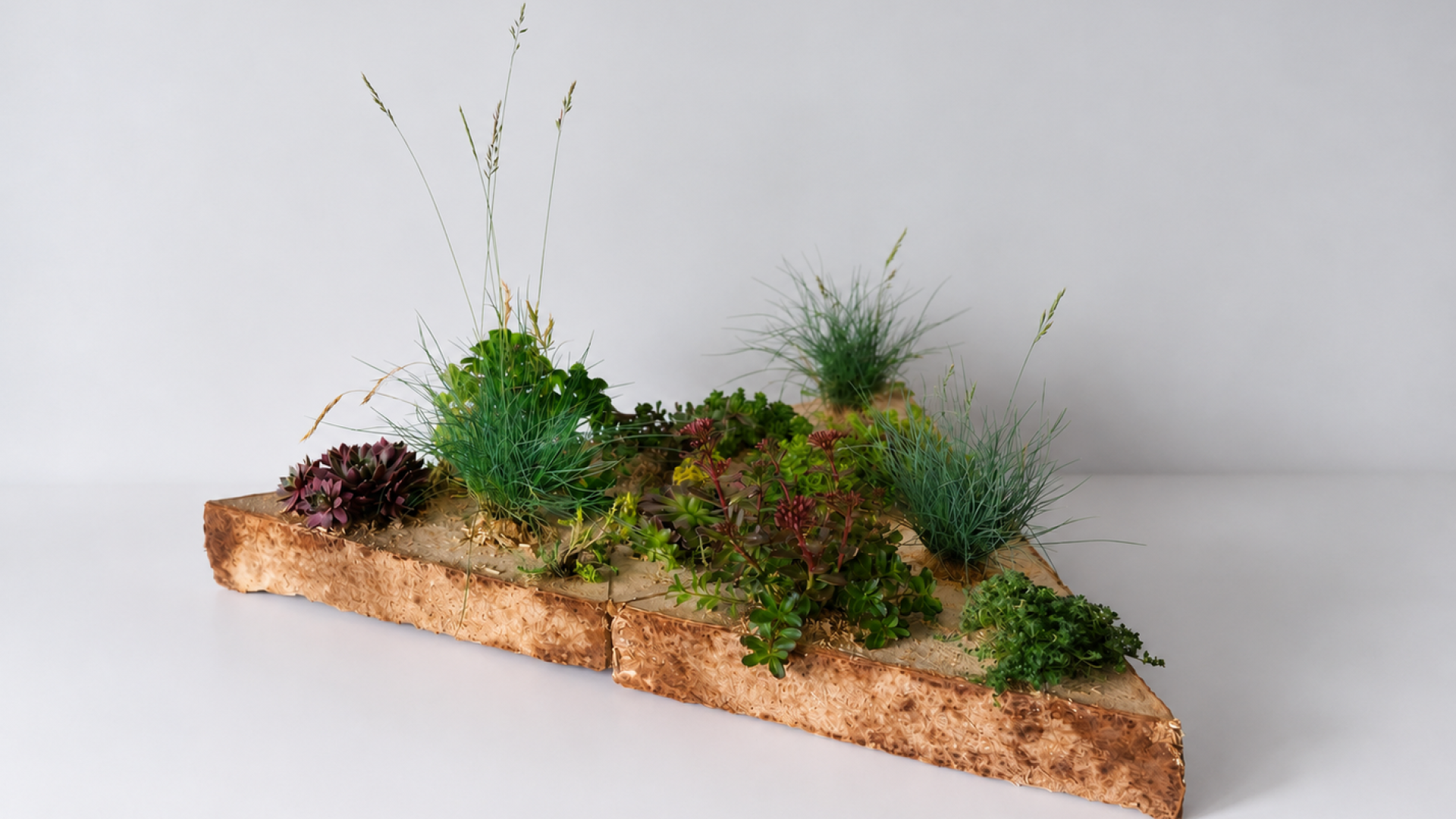
Our project explored how a mycelium composite can enable plant growth to bring living systems into the built environment. Mycelium is the root-like structure of a fungus and can be grown through a waste material, such as hemp shives. During the process, a part of the waste material is consumed while a large part remains, creating a composite material. Mycelium composite is a promising material, as it is made from renewable and waste-based resources and has thermal and acoustic insulating properties. We researched how properties of the mycelium composite, such as water and nutrient availability, pH, and structural integrity, affect plant growth. The composite is grown in a mould, which can be almost any shape. Once the mycelium has grown through the substrate, seeds or plants can be introduced. Instead of adding nature to a finished material, we explored how the material itself can be designed to support living systems, creating our final product: the Myvi panel.
The application
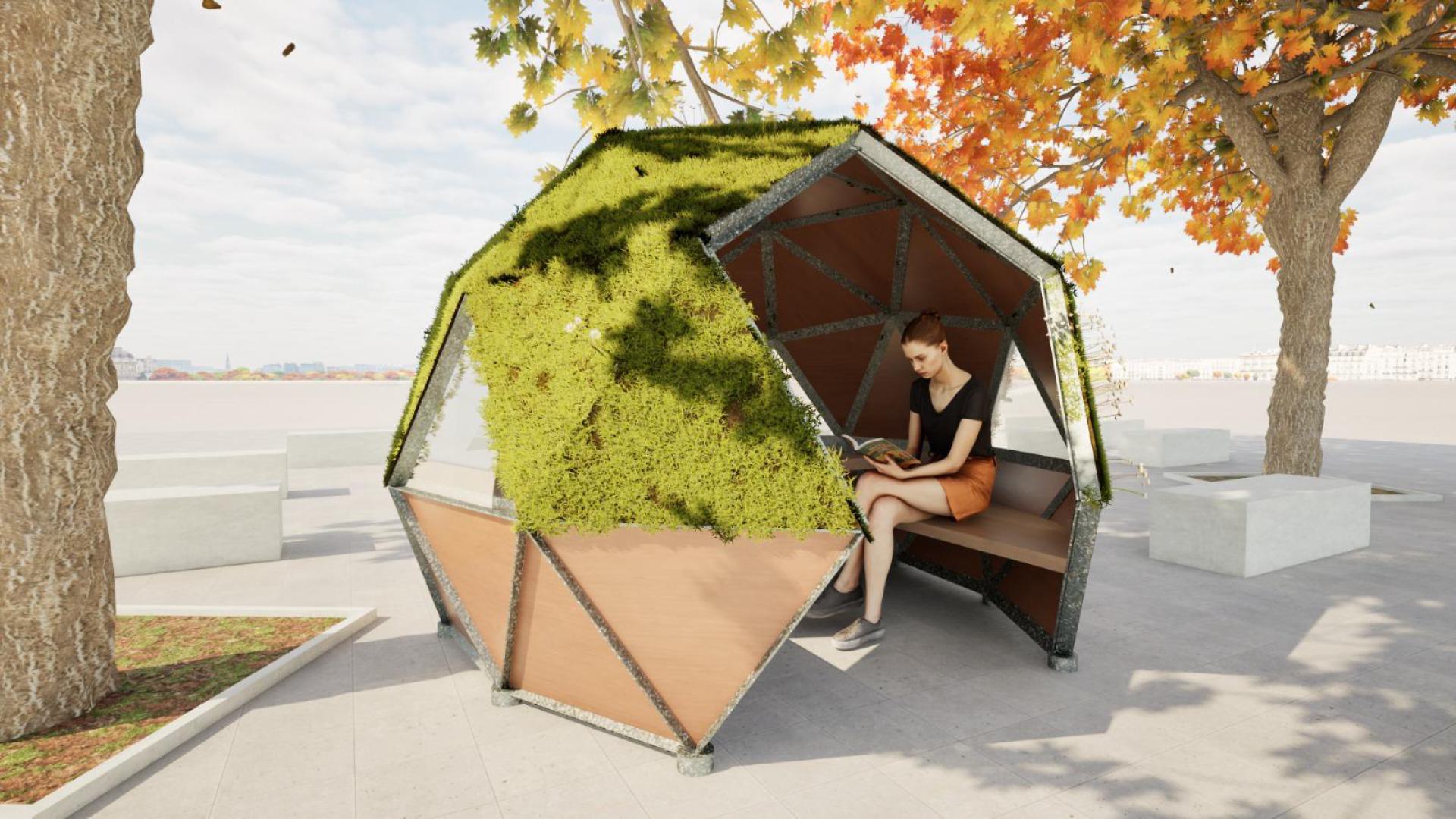
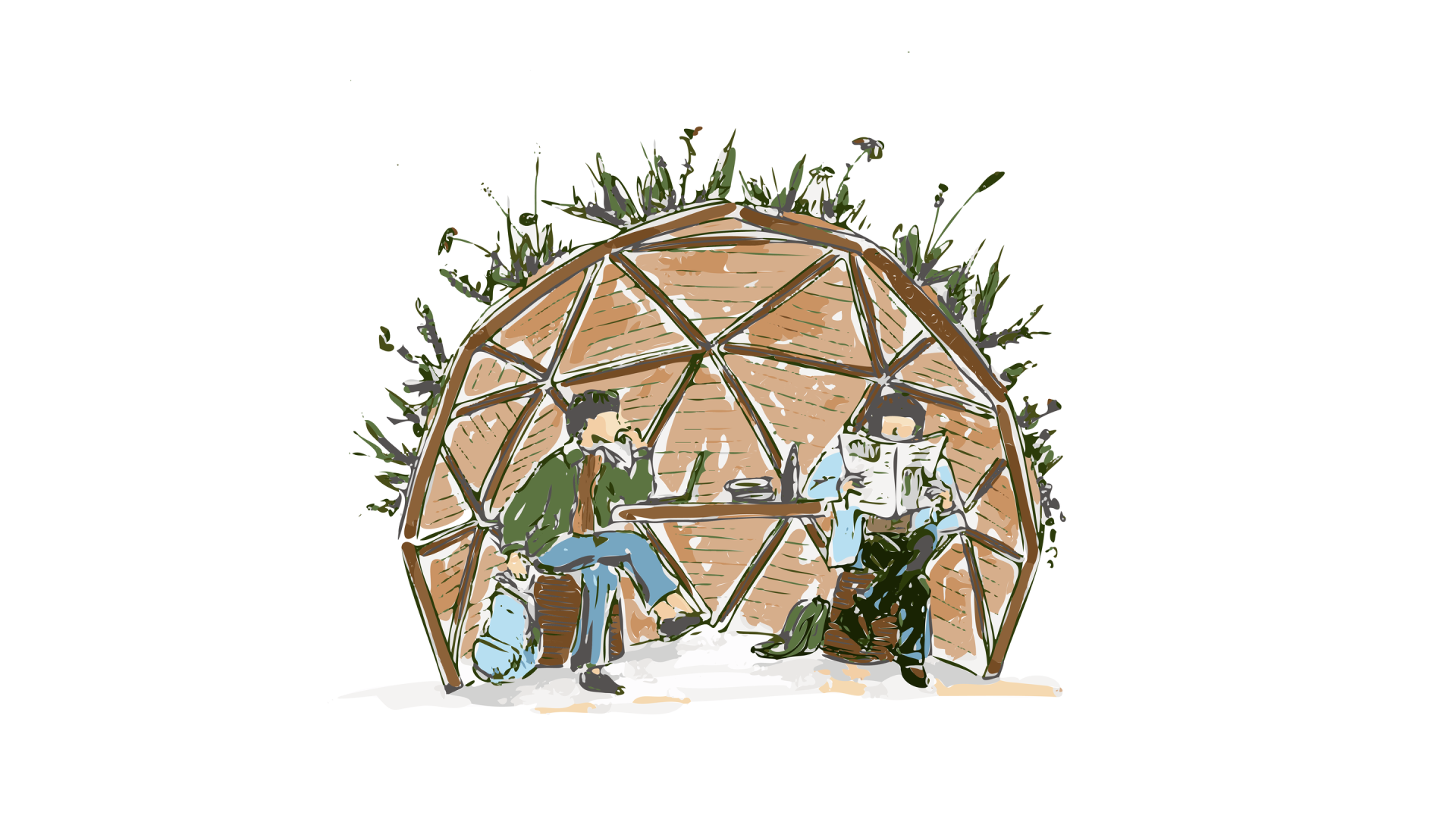
The Myvi panel can be applied to a broad context, ranging from a building’s facade to an urban art object. In our project, we applied it to The ReGreen Hut, a geodesic dome that offers users of the Utrecht Science Park an outdoor place to relax or work, sheltered from the elements. The goal was to cover this dome with biobased panels on or within which plants could grown, while maintaining their structural integrity. The ReGreen Hut is part of Healthy Heidelberglaan, a living lab researching how to make the busy and most paved area of the Utrecht Science Park, the Heidelberglaan, healthier, more attractive, and more climate-adaptive. This research will form the basis of the upcoming redevelopment of the area. It also allows us to to observe how the panel develops in an urban environment.