What if tableware could help us stay independent — and connected?
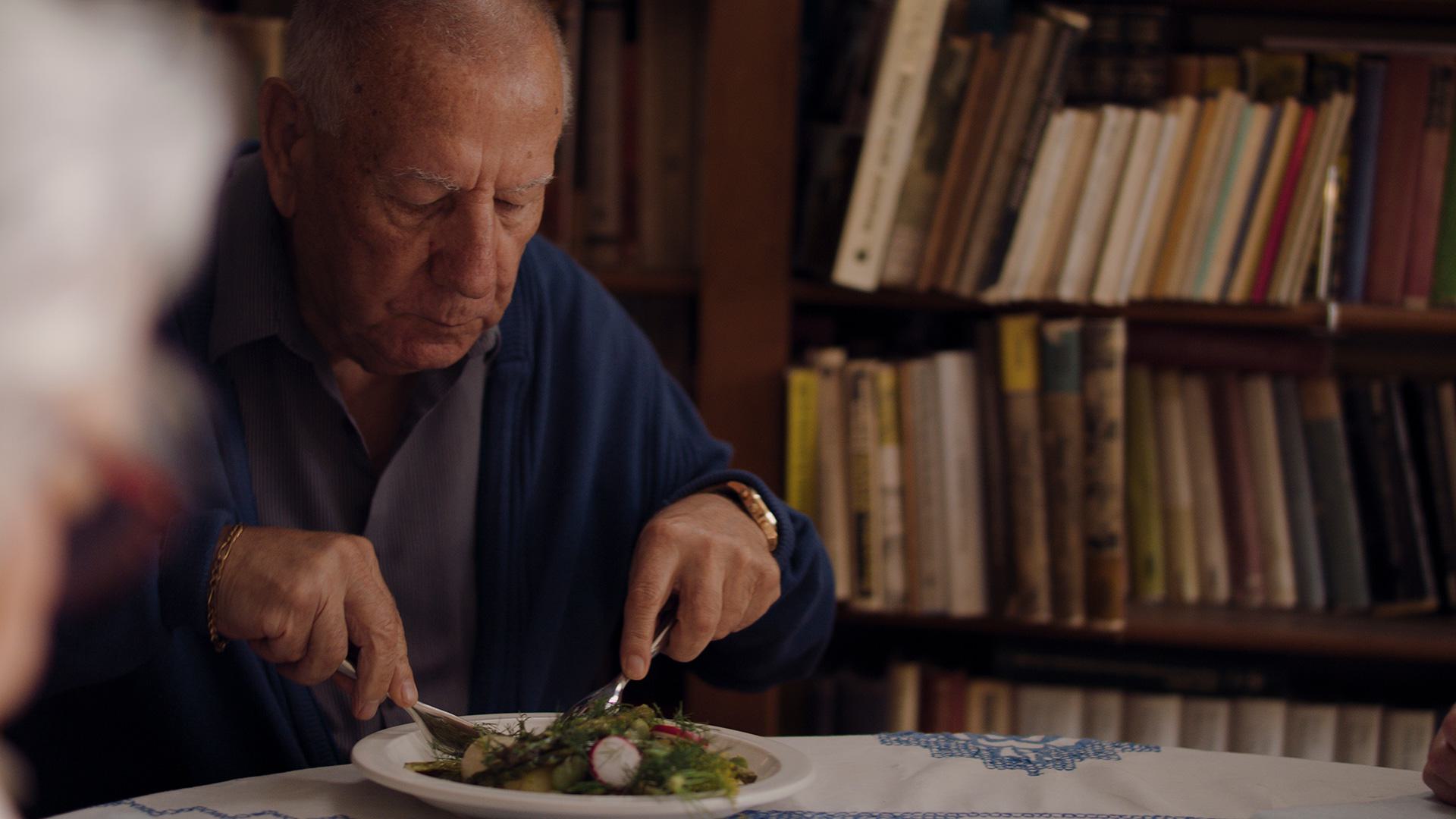
Eating is not just about satisfying hunger. It is an essential part of wellbeing, social life and enjoying time together.
With age, motor and visual difficulties can turn a simple meal into a source of stress and dependence. Spilling food and drinks, struggling to scoop food, or taking longer to eat - sometimes until the meal becomes cold - can make eating frustrating and embarrassing. The resulting discomfort and embarrassment can lead older adults to avoid eating with others and gradually withdraw from social situations.
Many products available for older adults resemble medical aids or children’s tableware. Our research showed that older adults reject widely available plastic adaptive tableware for this very reason. JOYN responds not only to functional needs, but also to the desire for familiar, beautiful everyday objects that do not emphasise illness or age.
About the Joyn collection
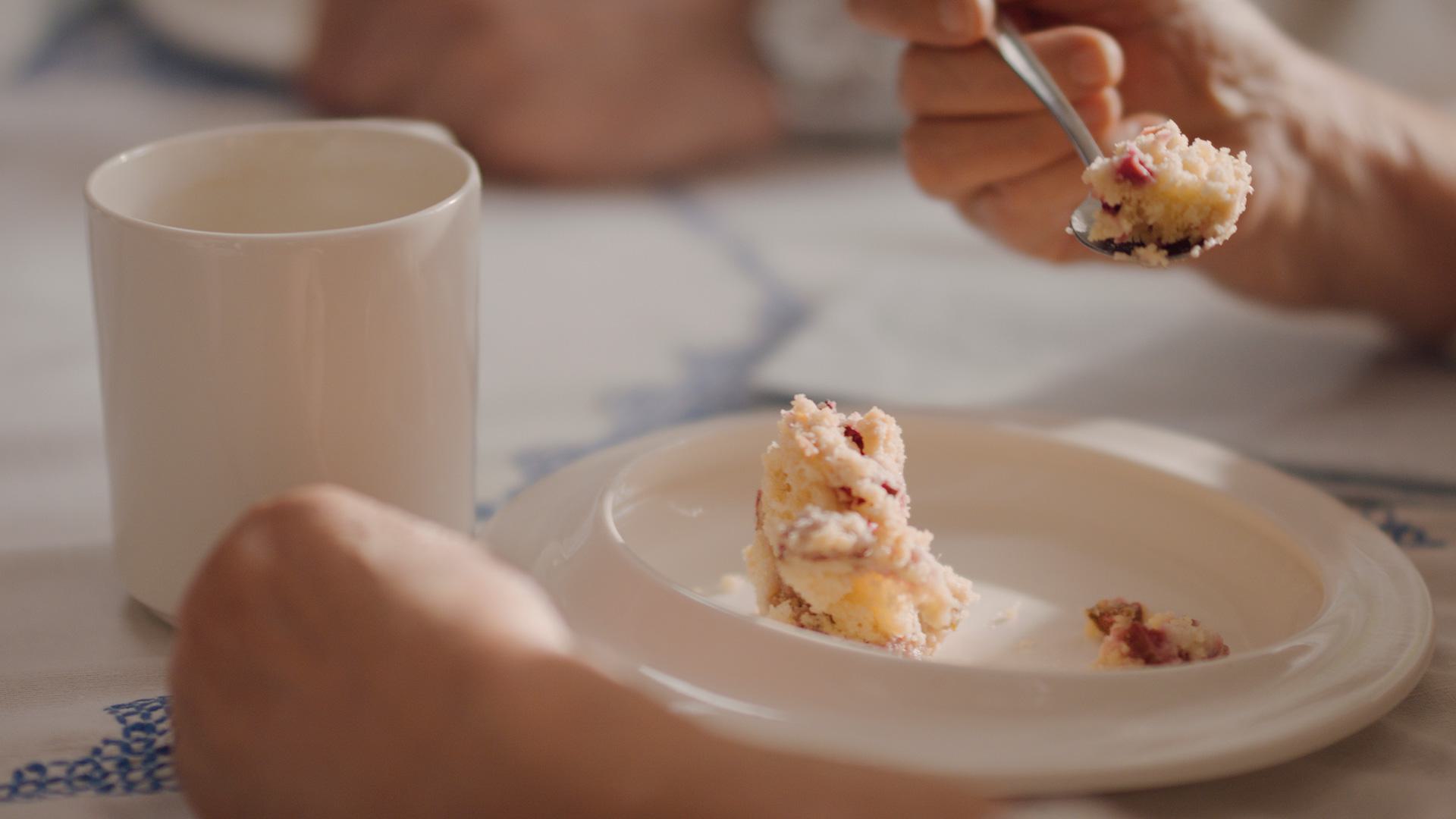
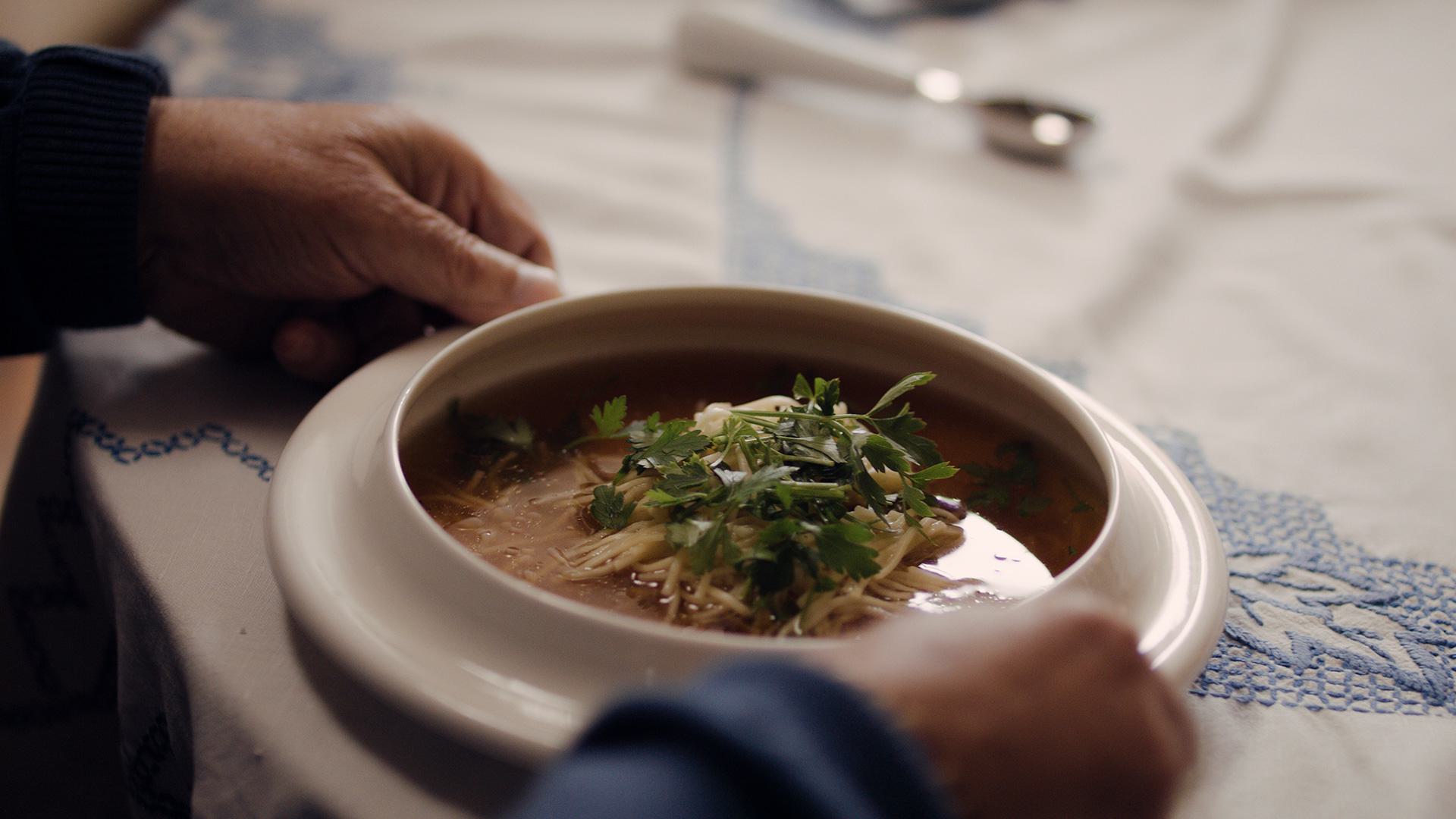
Specially shaped plates make it easier to scoop food and help reduce spills through the physics of liquids. Their geometry redirects liquid towards the centre, reducing wave amplitude at the rim, while balanced weight distribution provides greater control.
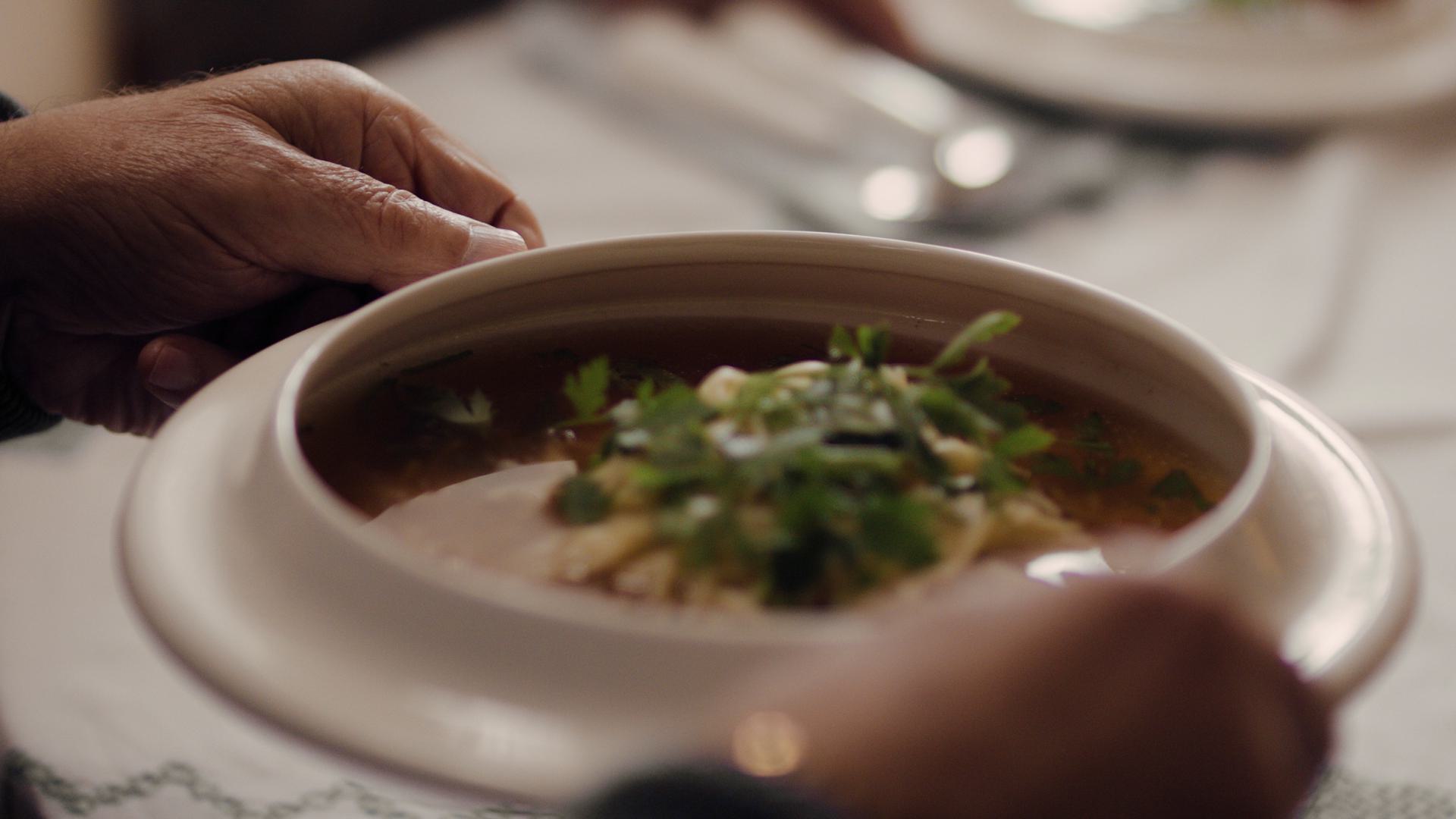
The extended rim creates intuitive gripping points, making the plate easier to hold steady, carry, pass to another person and tilt when finishing a meal, such as soup. Its clearly defined form and edges are easy to locate by touch, helping people with low vision or blindness handle it more safely and confidently.
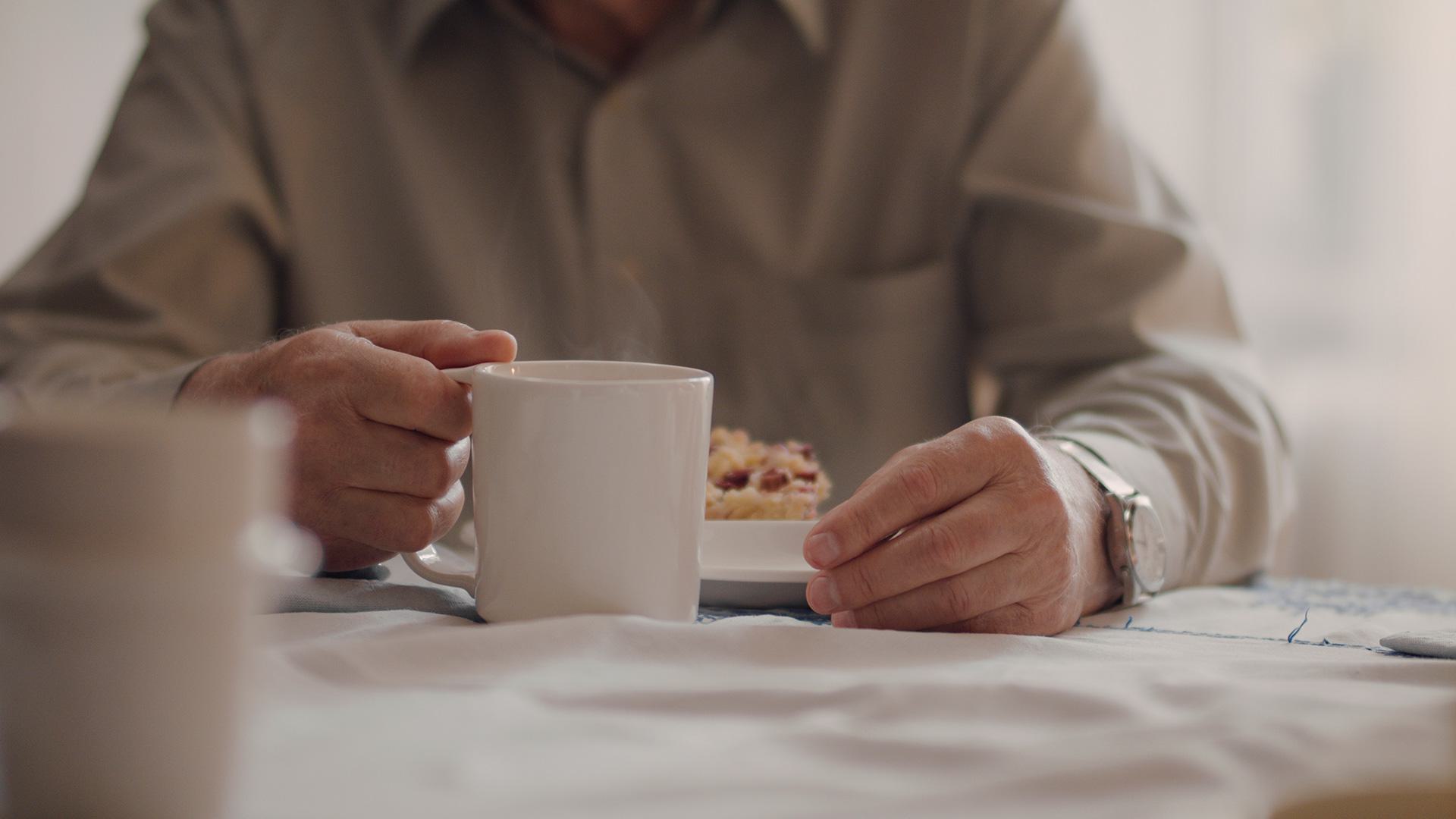
A large mug handle enables a safer, more comfortable grip, while its extra capacity leaves space at the top to reduce spills when carrying. Strategically weighted cutlery helps stabilise hand movements and gently reduce hand tremors. Its weight also provides clearer tactile feedback, which our research found particularly valuable for people with visual impairments.
The porcelain pieces are made locally in a small ceramic workshop in Poland. Versions incorporating recycled ceramic and glass waste are also being developed, combining inclusive design with more responsible material use and local production.
Research & Co-design
The design process combined scientific research with user interviews, co-design and multiple rounds of iterative testing, with user feedback directly shaping each prototype.
Participants included people from an Alzheimer’s centre and local care homes, including people living with neurodegenerative conditions and their caregivers, as well as people with visual impairments and conditions affecting mobility, coordination, motor control and hand function.
Rather than designing for users, JOYN was developed with them. Their experiences and feedback informed the proportions, weight, grip, geometry and handling of the collection.
The process remains transparent and openly documented on HAK Studio’s Instagram - from early research and prototypes to user testing, failures and final iterations.