OLFACTORY ORGANS
As our sense of smell is progressively eroded by pollution and synthetic saturation, The Smelling Brain proposes an alternative anatomy for olfaction. Drawing from anatomical research and speculative design, the project develops olfactory organs as extensions of the human sensory apparatus. Each organ corresponds to a different perceptual state and its associated functions within the brain and body, translating invisible processes of smelling into physical structures.
EXPERIMENTAL COMPOSITIONS
The organs are paired with experimental olfactory compositions developed through natural perfumery. Each composition is tuned to one of three perceptual states: memory, attraction and flavour, and to different functions of the brain and body. The compositions are intended to trigger and reactivate dormant sensory associations, while natural materials become a means of carrying and preserving olfactory information that might otherwise be lost.
GLASS APPARATUS
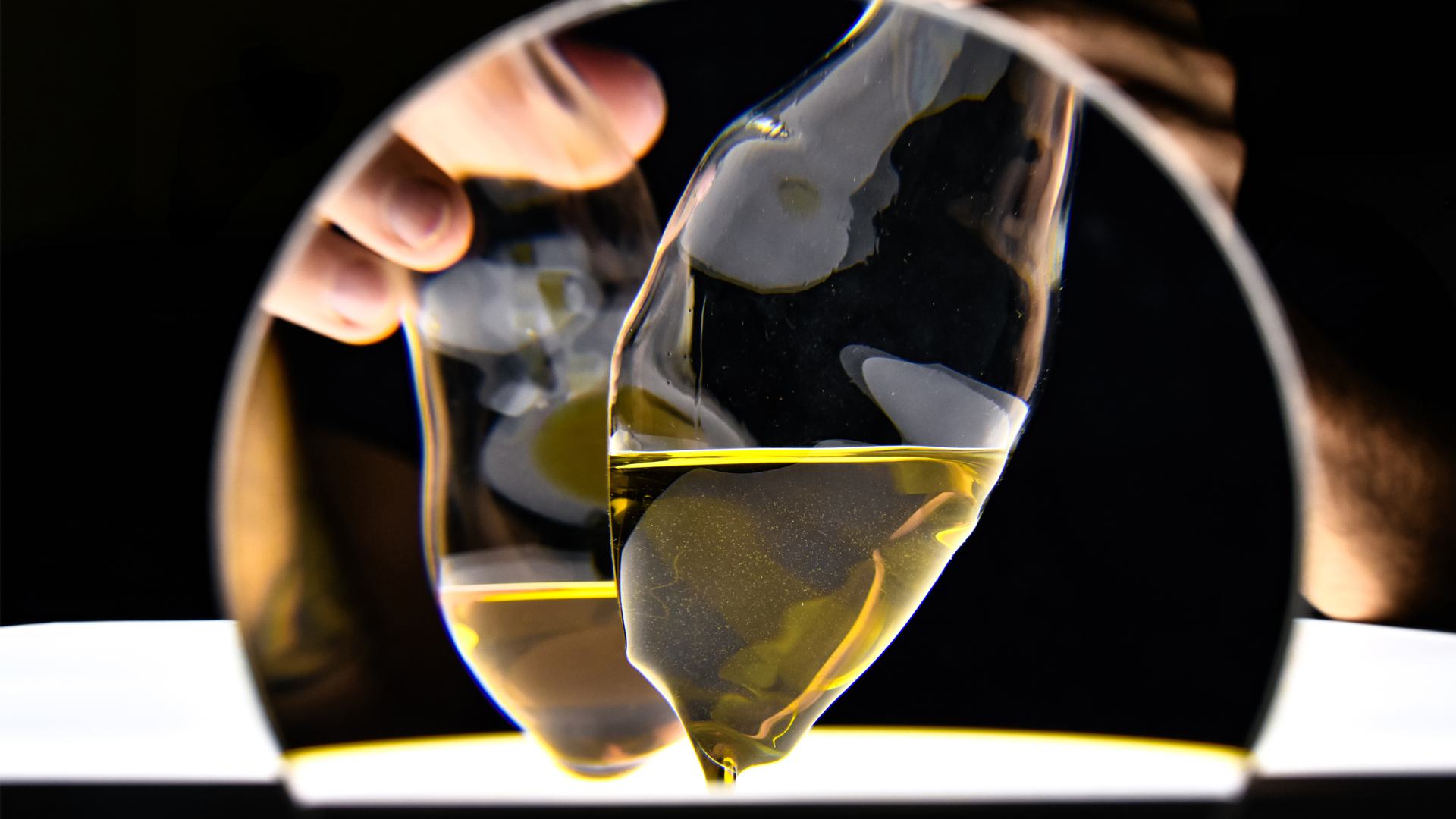
The apparatus extends the organs beyond the body. Organic glass vessels are held by supporting structures and instrumental units, forming a small anatomy of unfamiliar instruments. Each apparatus is calibrated to its corresponding organ and perceptual state, creating a direct passage between perfume, nose and brain. Their function remains suspended between organ, instrument and prosthesis: anatomical structures for a sense that may no longer be entirely our own.