How are we?
The project starts from the idea of relationship therapy between humans and nature: breaking up is not an option, so the disrupted relationship with water must be restored — from single use and pollution toward reciprocity and respect. Water is not seen as a product or piece of infrastructure, but as an equal partner with whom the relationship is being rebuilt.
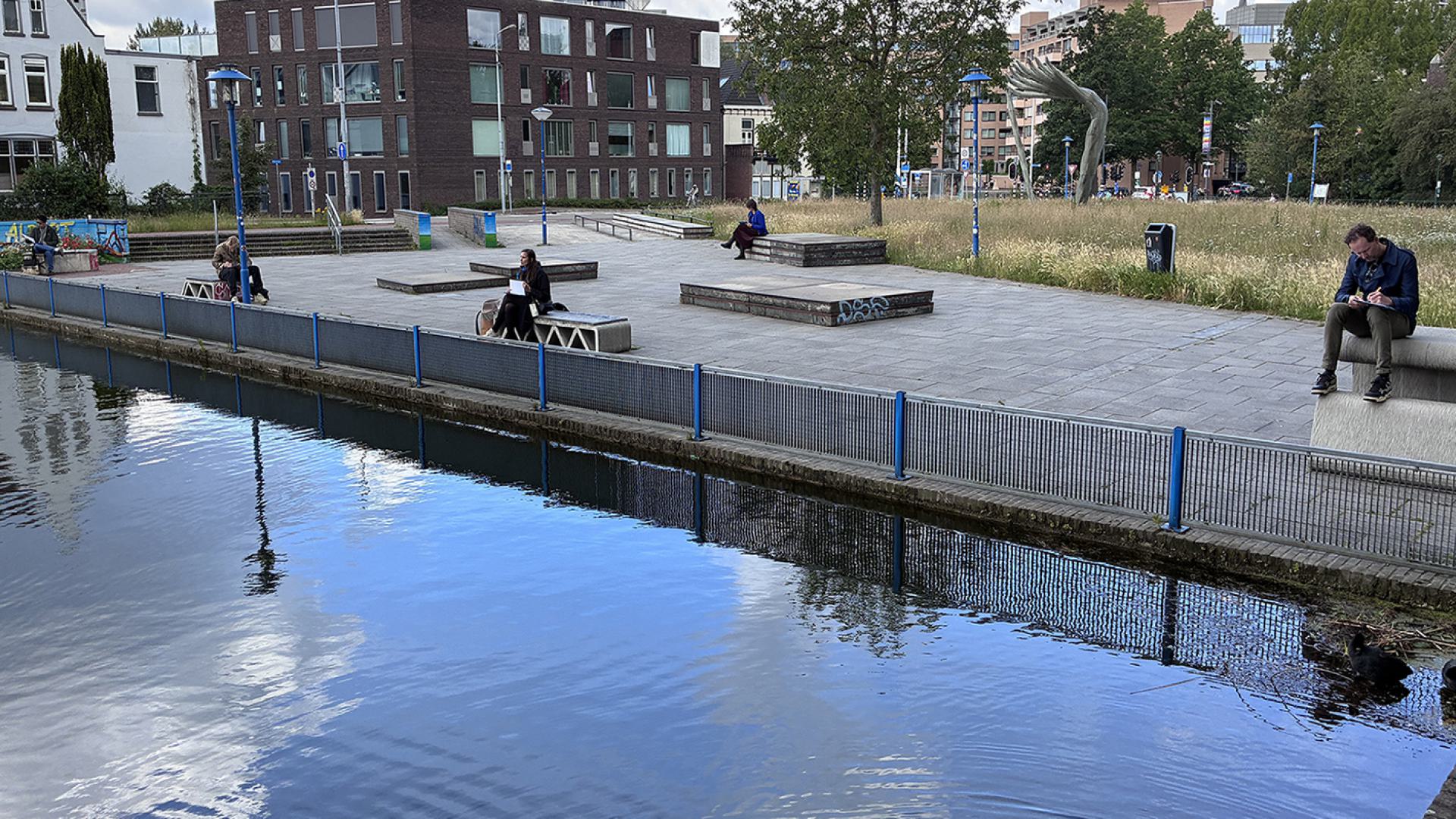
In the canal, bubbles spell out the words "How Are We," as an invitation to an equal conversation between people and water. Water makes the first move: how are things between us, really?
In the exhibition at the Melkfabriek, Floris Schoonderbeek also builds a storyline that moves from connection to alienation, and ends with restoration. The line begins with the realization that all water is connected and part of a larger system, one that we as humans are also part of. This equality is the starting point for a different way of looking, in which humans stand not above but alongside water. Yet we have drifted apart; our relationship has deteriorated. The bridge thus becomes a public therapy space, a place of encounter, reflection, and repair: a first step back toward one another.
Humans as a keystone species
The Waterambassade (Water Embassy) is working on a shift in how we design and build. For and with water, with reciprocity, connectedness, imagination, and regenerative thinking as starting points.
A different fundamental attitude is emerging from which we design. Not against nature but with nature, as a living system in which water, soil, air, humans, and more-than-human life are in balance.
This shift changes who gets a voice in the design process, which interests carry weight, and what success actually means for a bridge: no longer just whether it gets people dry and safely from one bank to the other, but also whether it leaves the water, plants, and animals around it stronger than it found them.
In this way, we build infrastructure that makes a positive contribution to the ecosystem.
Restoration isn't something left to nature, but something we, as residents of the area, can actively be part of. As a species, we can ourselves be a "keystone species," contributing to a healthy, resilient living environment.
Working on that fundamental attitude, that different perspective, is something we need to practice, again and again, until it becomes second nature to us.
Building a Water Community
The regenerative, restorative track of the Waterambassade is being further developed through this Co/Lab, with a focus on community. How do we build a Regenerative City together? How can the city and its inhabitants contribute to the well-being of water? How do you do this together, and together with water?
This Co/Lab builds a literal and figurative bridge between government, businesses, and residents, working together — as a city, as a community — on the water transition. Not what one party does versus another, but what happens in the interaction between them. Breaking free of separate worlds and collaborating in new ways to tackle water challenges, as a collective. This gives rise, more and more, to a local water community in which residents, professionals, and governments each take on their role and work together for cleaner, more beautiful, and more vital water in the urban environment. And in this process, water itself is also partner: we work in collaboration with water.
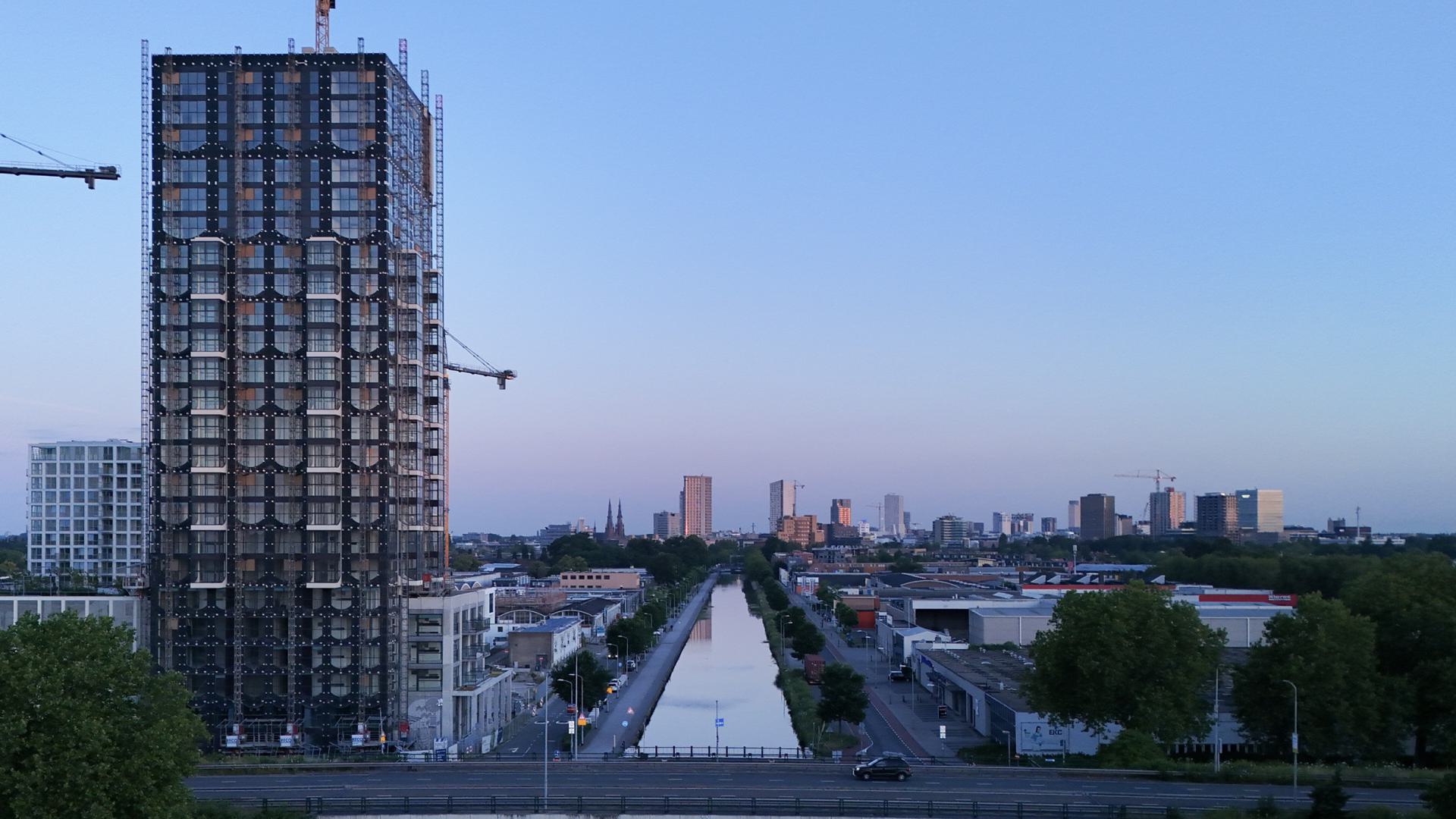
The Waterambassade looks beyond just the Eindhoven Canal. The entire area around the canal can become an example of a community living together based on a different relationship with water.