Why most people aren't ready for the bio-futures we keep designing
Biodesign proposes futures where humans live in kinship with microorganisms, but these visions rest on a relationship with the microbial world that most people have not yet developed. We remain comfortable with microbes in theory, yet recoil the moment we encounter mold on rice. Several centuries of sterility culture have taught us to treat microorganisms as something to eliminate rather than engage with. Much of the current biodesign effort goes into envisioning what kinds of devices and interactions a symbiotic future could produce. Far less work is being done on the cultural preparation: helping people develop the sensibility and fluency needed to actually live with organisms in their daily routines. KojiGotchi began as an attempt to understand this distance and to find ways of closing it.
If a digital pet taught care for pixels, could a living one do the same for microbes?
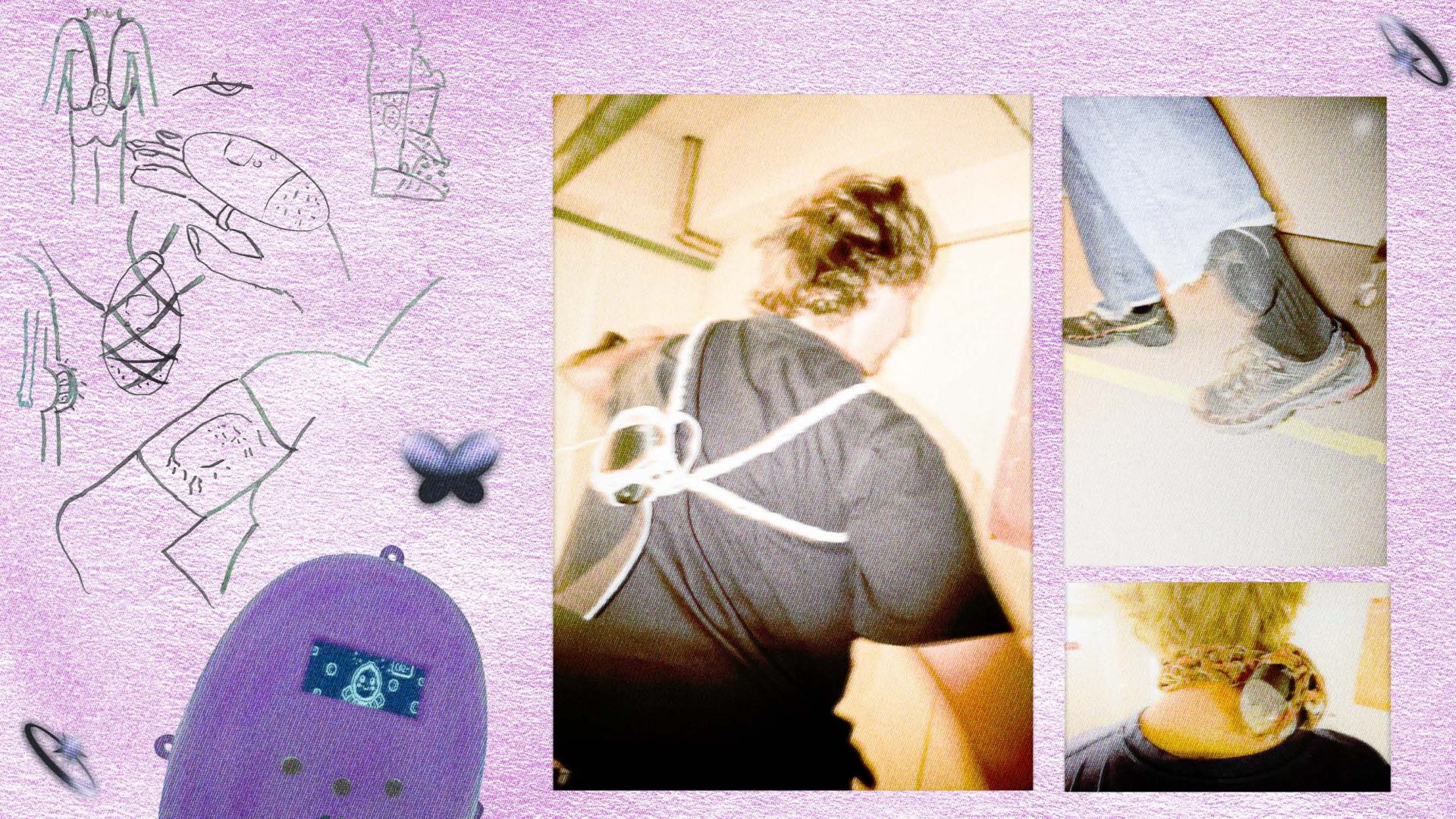
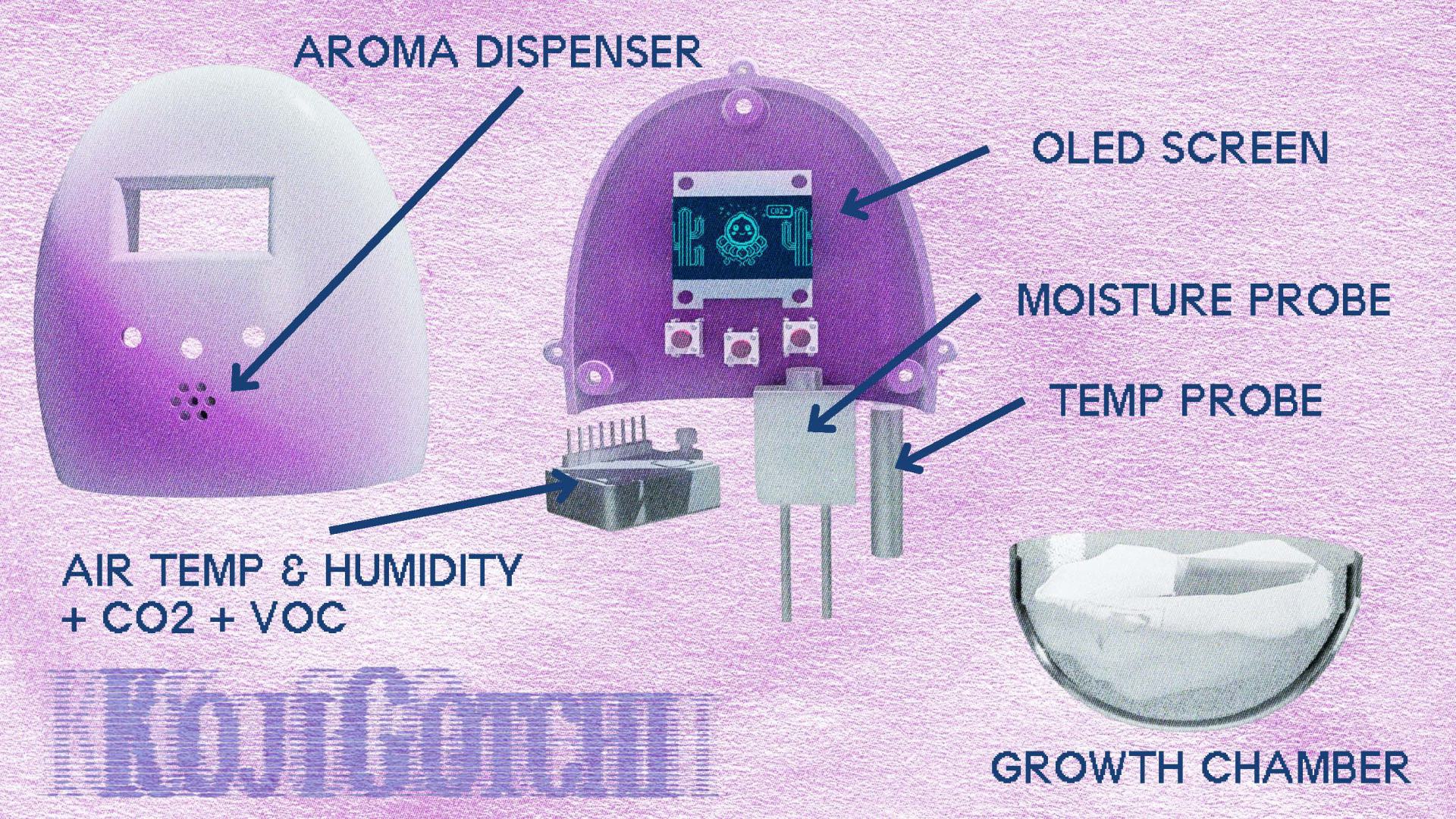
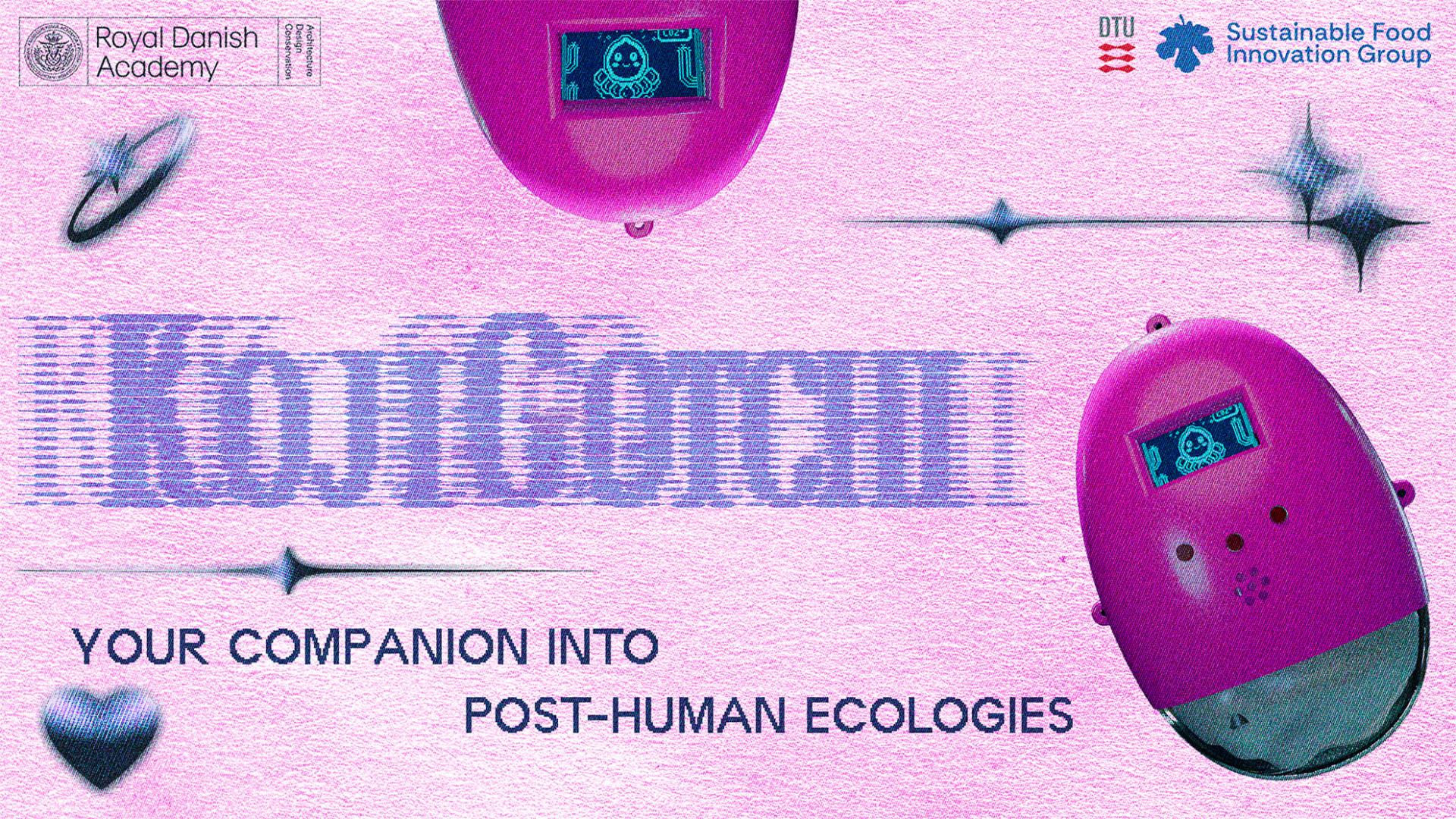
The project grew out of experiments at DTU Biosustain, where we tried growing Aspergillus oryzae, the mold behind miso and sake, using nothing but human body heat. What started in small plastic bags in back pockets eventually became a wearable device: a transparent growth chamber that visitors can observe directly, accompanied by a digital avatar called KojiMoji. The avatar reads live sensor data and translates environmental conditions into emotional states, helping the wearer develop a sensory understanding of what the organism needs. The device is fully open-source, built from standard components, and designed for primary schools, maker spaces, and home kitchens. The question it poses is borrowed from the Tamagotchi: if a digital pet could teach a generation to care for pixels, could a living device begin to teach us to care for microbes?
Biodesign needs more than one visual language to reach pop culture
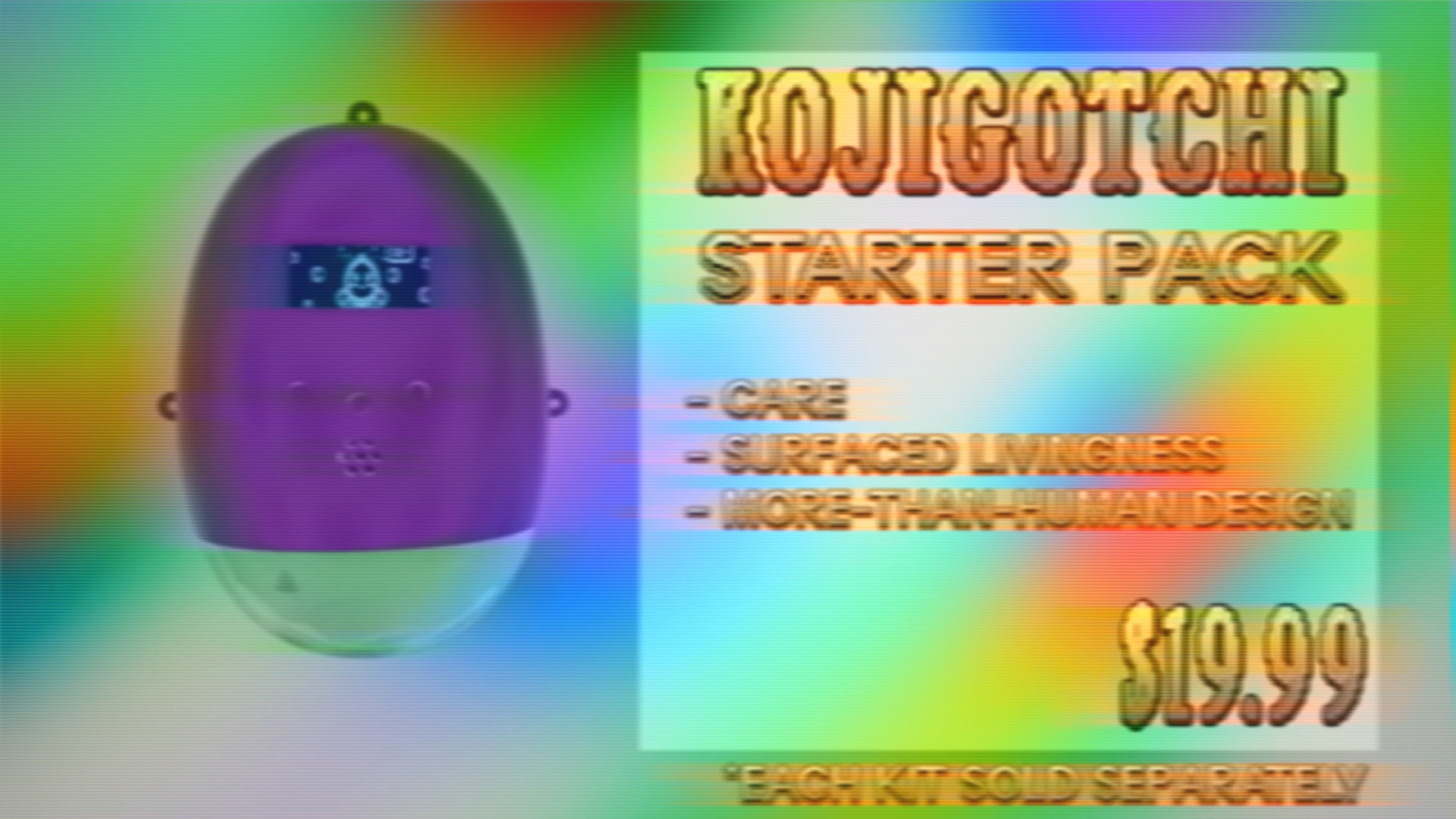
Biodesign has developed a visual monoculture: clean surfaces, clinical lighting, white lab aesthetics. This works in research contexts but limits who feels invited to participate. If living technology is to enter pop culture and collective consciousness, it will need a wider range of design languages. KojiGotchi draws from Y2K and vaporwave aesthetics as an argument for that polyphony. The device looks more like a Tamagotchi than a petri dish, and that is deliberate. The audience for biodesign should not be limited to people who are already comfortable in laboratories. By borrowing from visual traditions that a younger, broader public already recognises, the project tries to make the conversation around biotechnology more legible and less guarded.