Life as a Design Partner
We live in a concrete world. It is so omnipresent that we have stopped seeing it. Yet, concrete's environmental impact is well known. Beyond its carbon footprint, its production scars landscapes, degrades water and soil quality, and is deeply embedded in extractive economic systems. Its lifecycle operates as a one-way road. Unlike biological materials, concrete does not return to the soil it came from. It accumulates.
The crisis is no longer in the walls. It is in the atmosphere, in the soil, in the oceans. And the architecture we inherited is contributing to it. Addressing the ongoing ecological collapse demands a conceptual shift as much as a technical one. It requires reconsidering who, or what, counts as a collaborator in the design process. The question this project asks is precisely that. How to sustain biological vitality, ecological specificity and architectural performance simultaneously ?
Design through photosynthesis
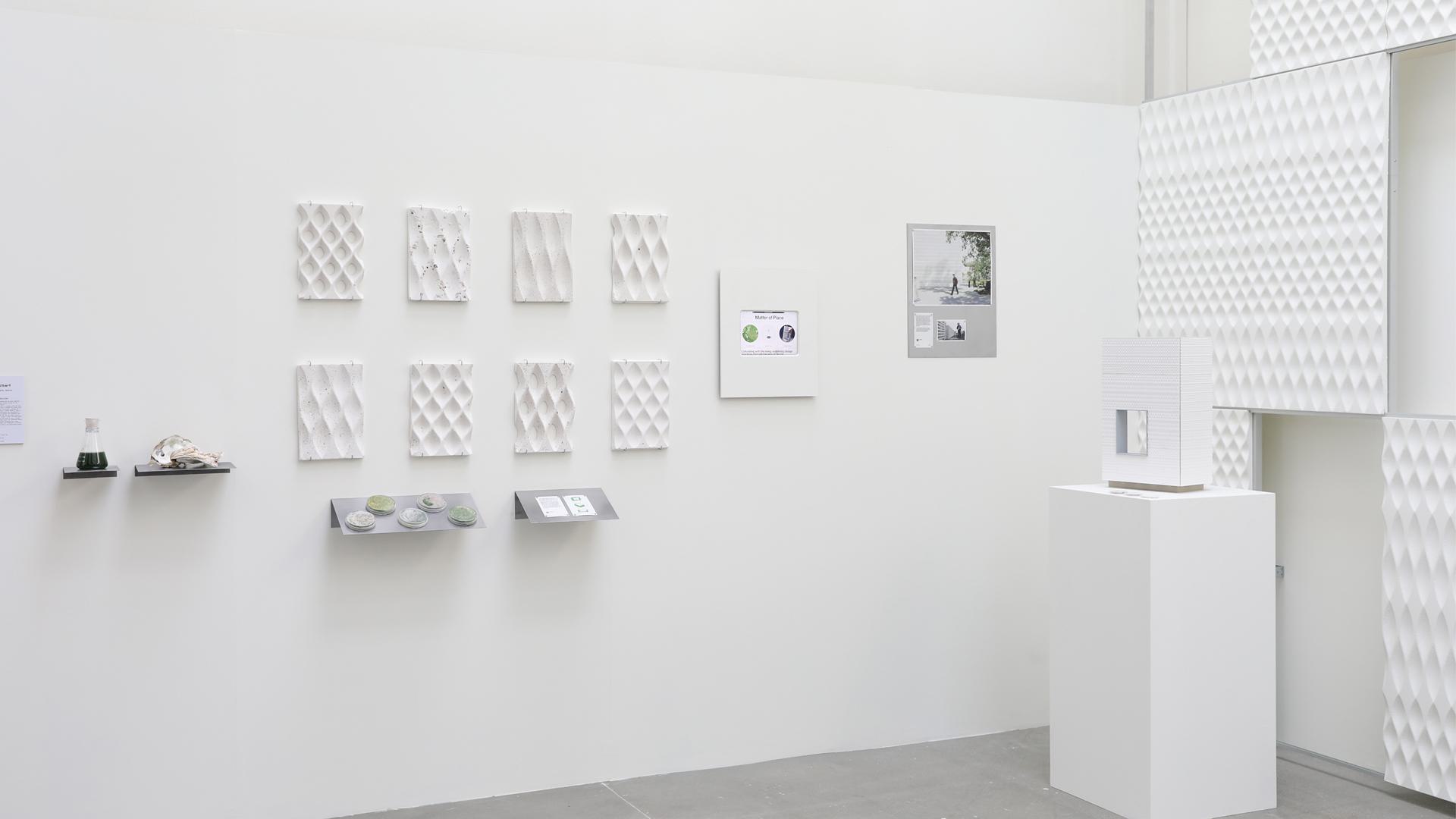
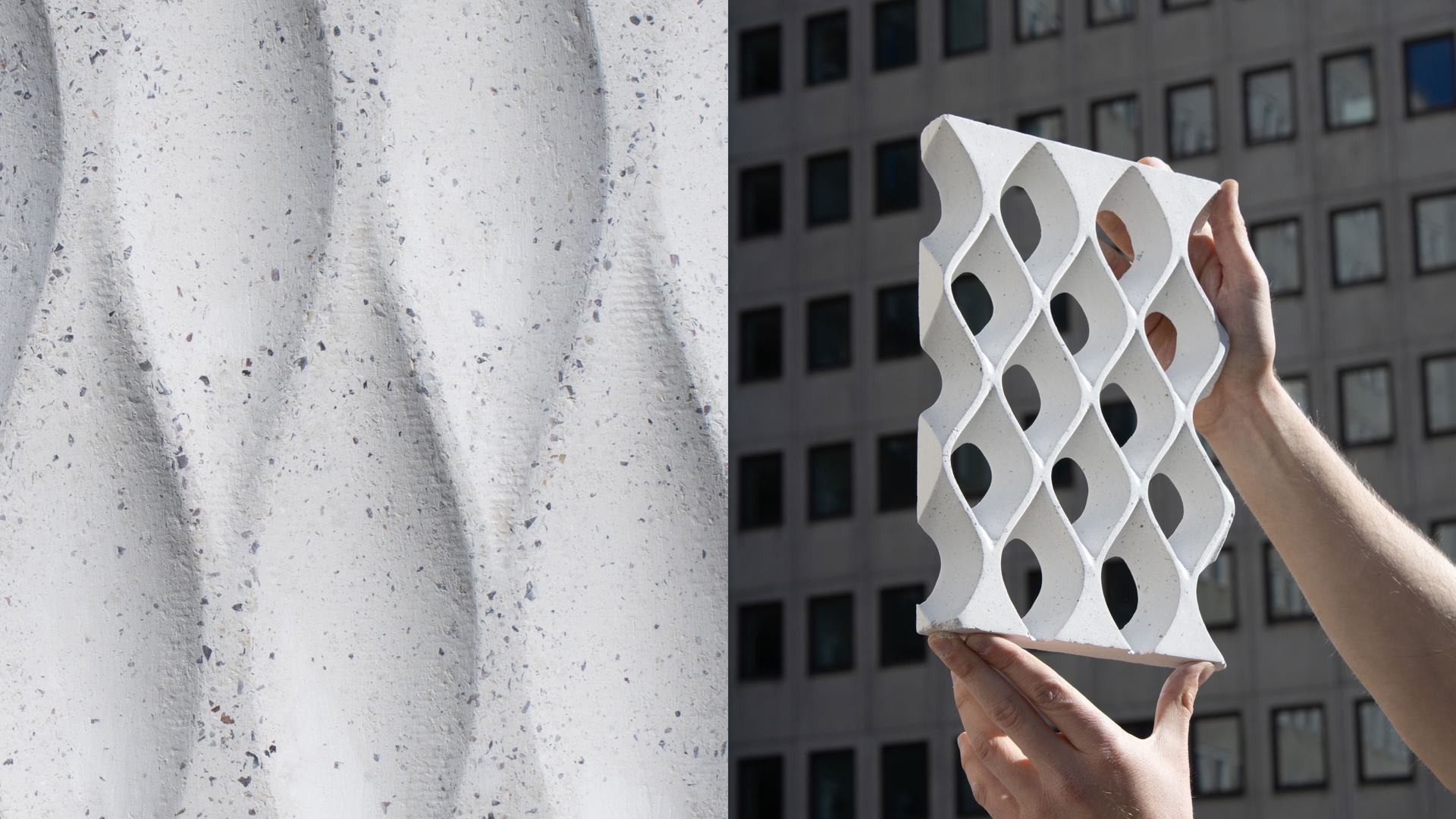
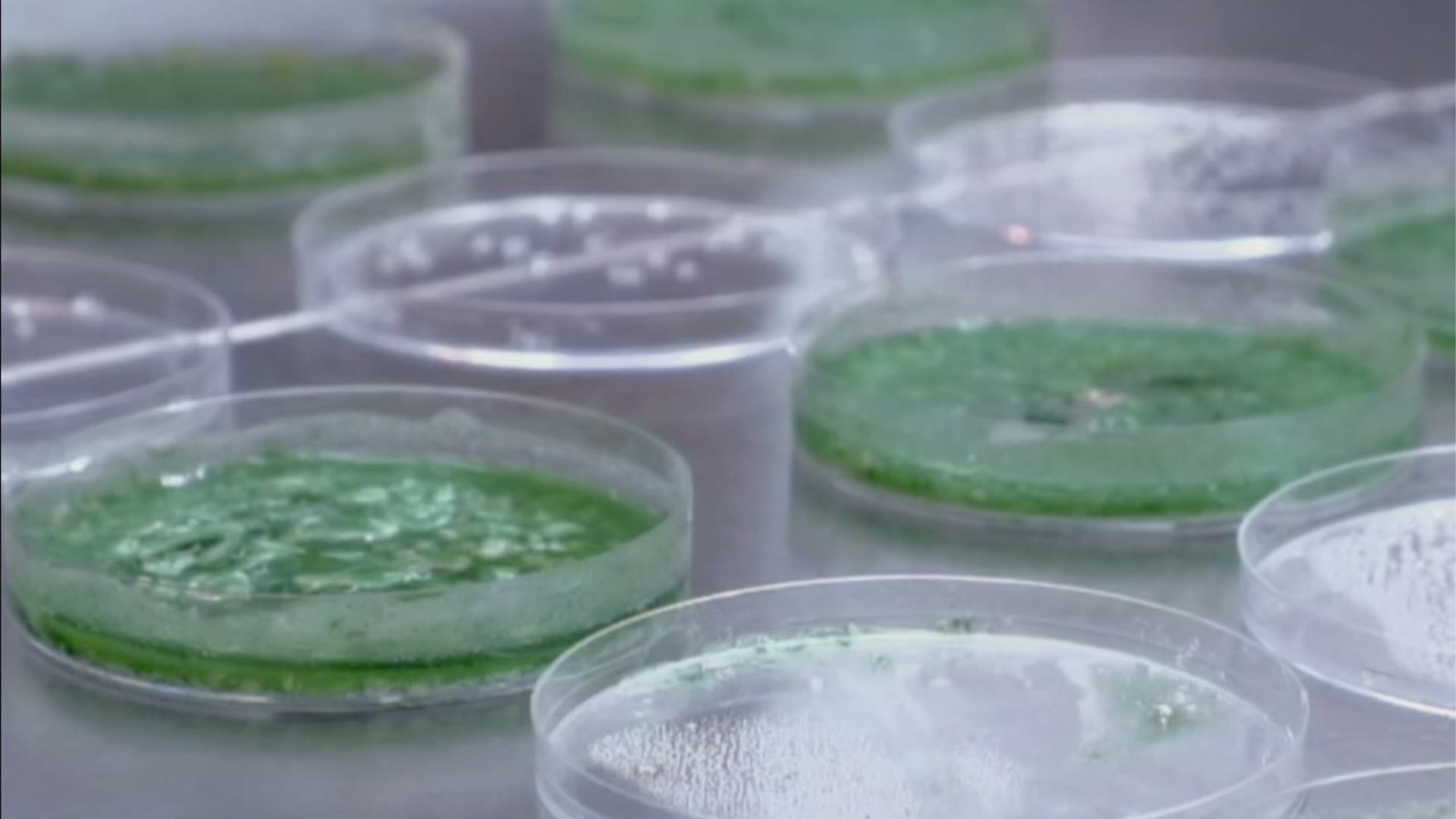
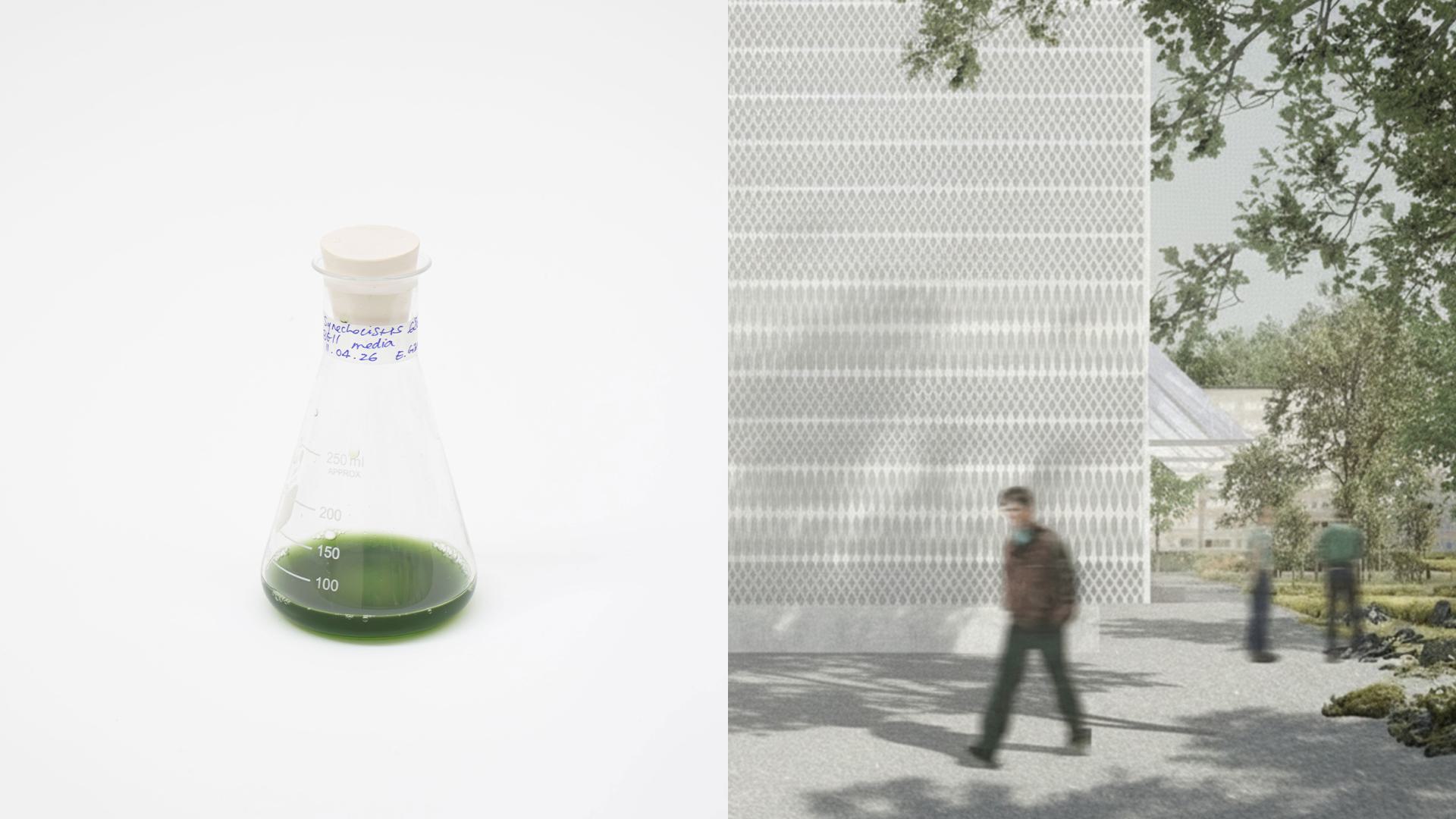
The project grows a building's skin from cyanobacteria's bio-mineralisation capacity. Trough photosynthesis, the bacteria pull CO₂ from the air and precipitate it into a solid form. A computational design system, built with local climate and solar data, shapes each module's depth and porosity to protect the bacteria and regulate the building's temperature. Using local invasive species, it proposes a material rooted in the ecosystem's specificities.
The result is a building facade that behaves like an organism, a living interface.