How do we define mobility?
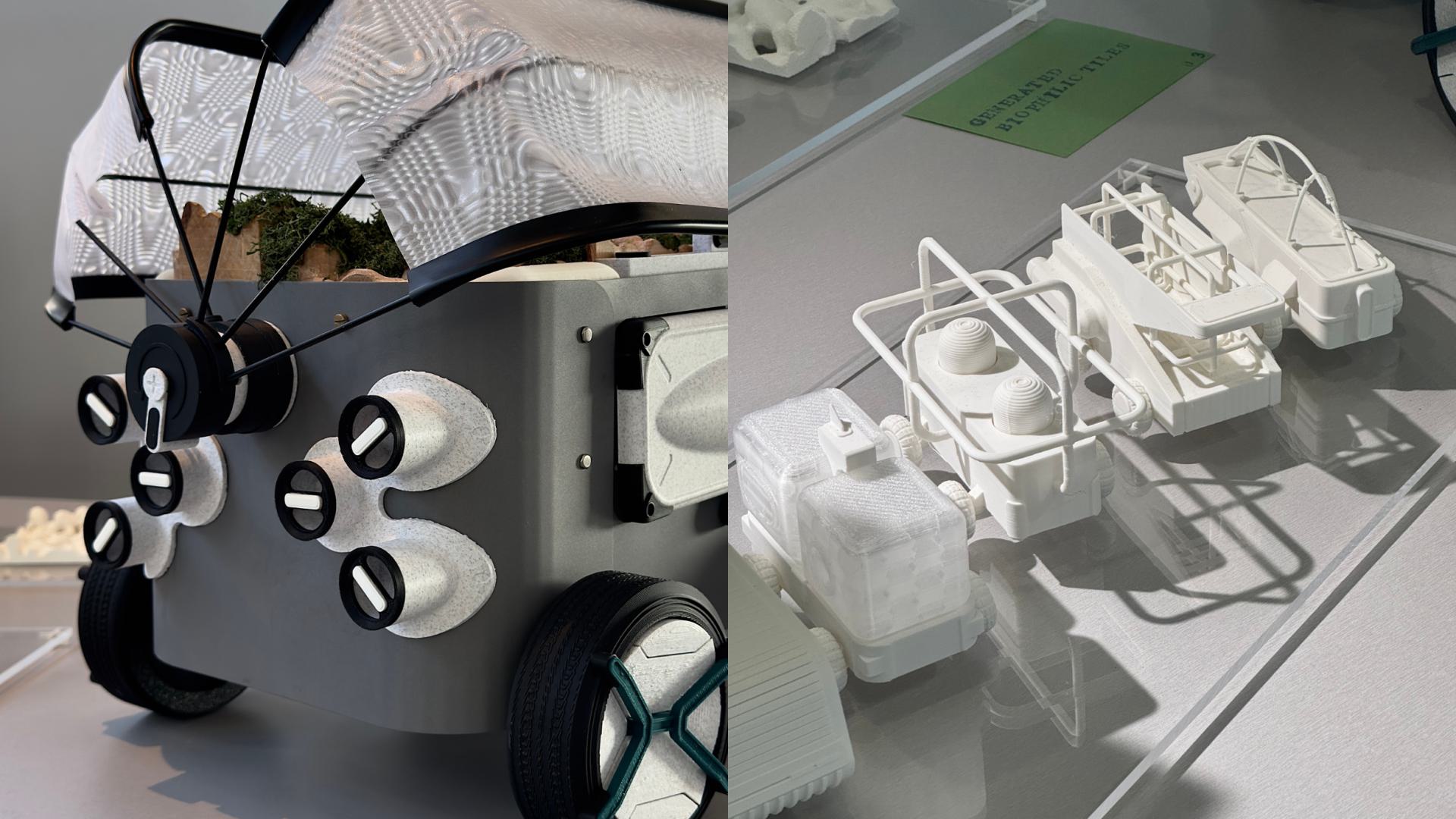
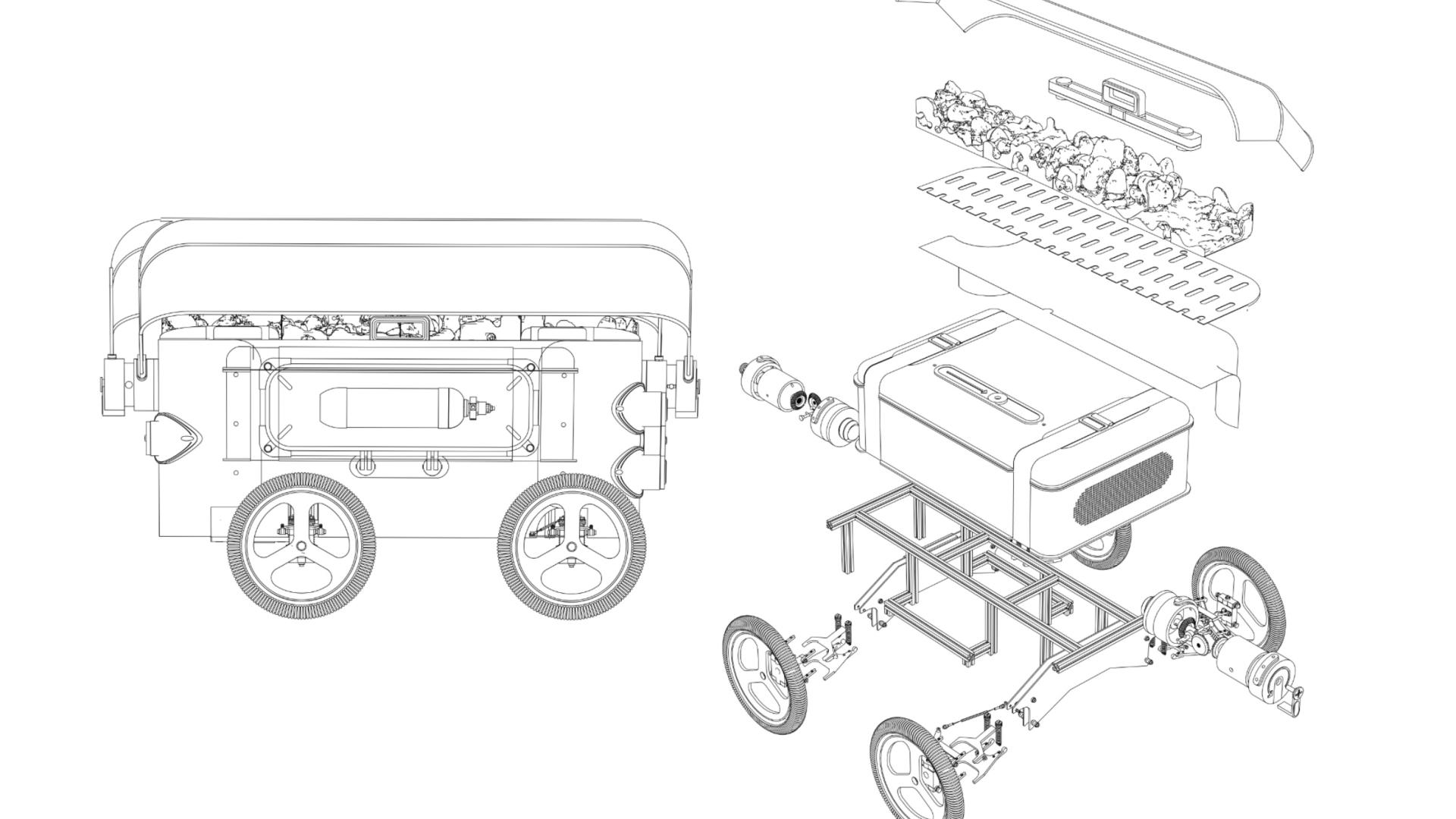
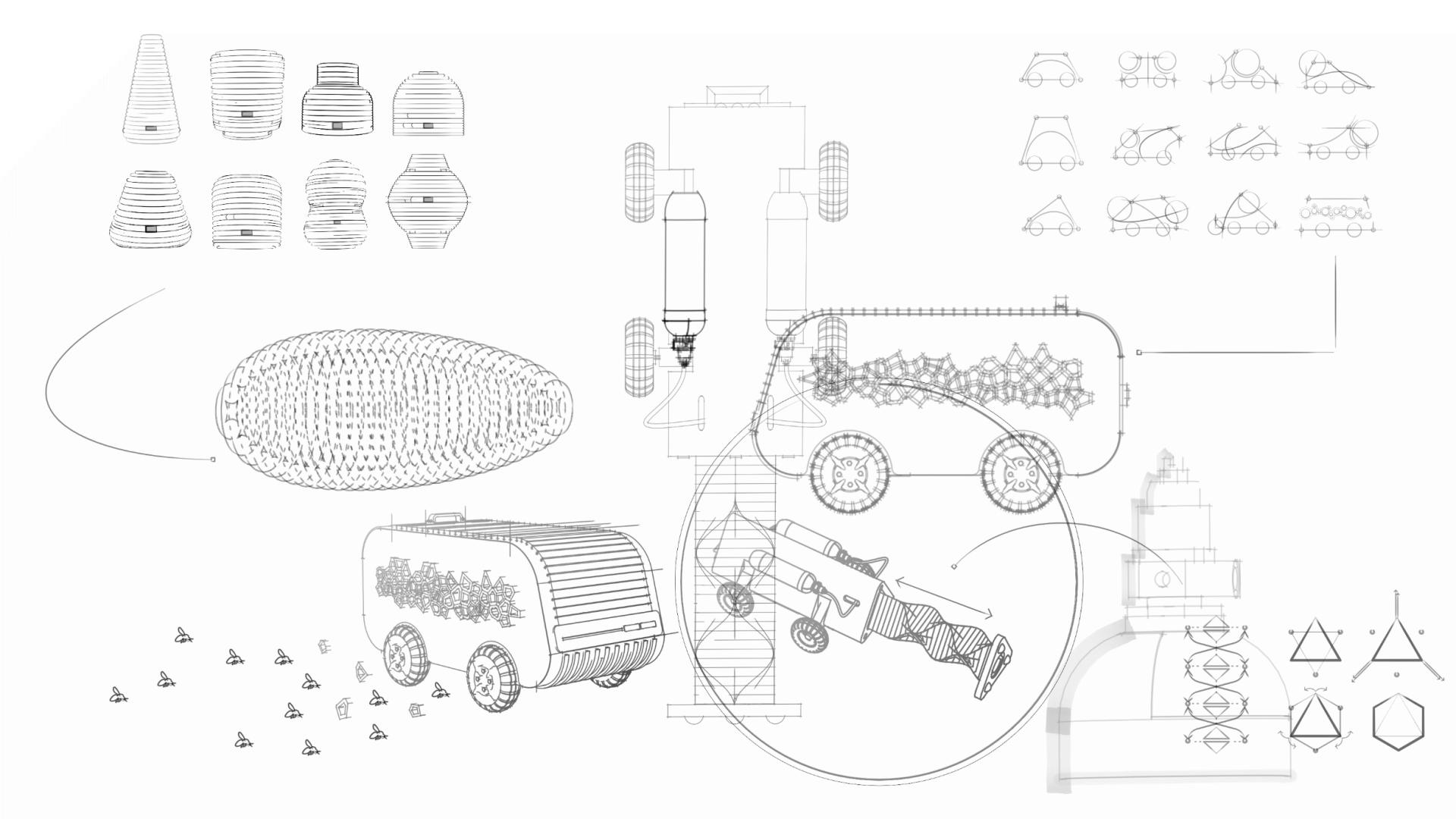
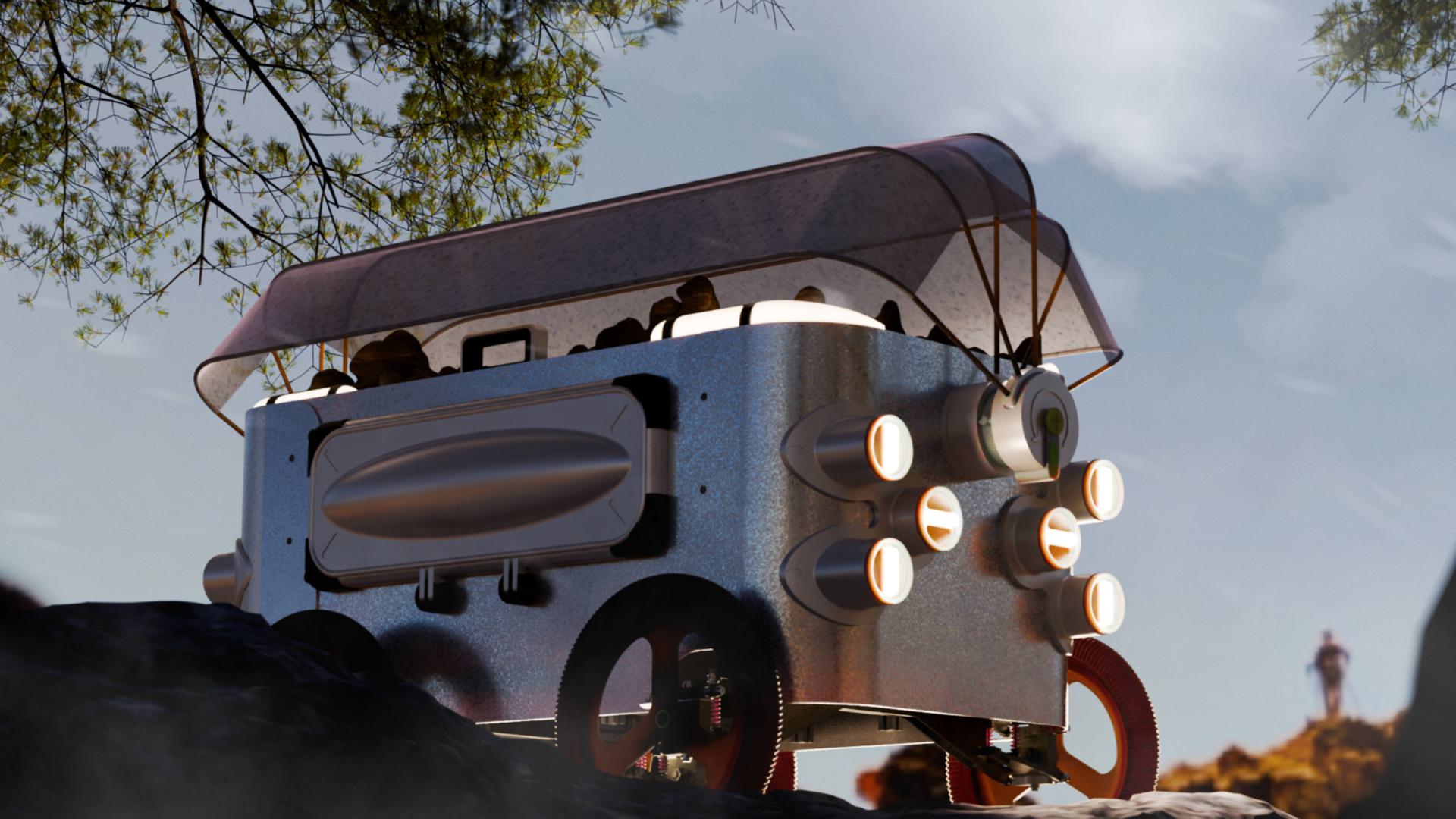
Walkable cities, intercity train lines, international flights, intercontinental supply chains; the list goes on. All of the above rely on a tragic irony, because the infrastructure we have created to amplify our own mobility paralyzes our environment. It cuts through interwoven biotopes and divides healthy green spaces into islands. For our living, more-than-human environment, this becomes a fatal crisis, because the more isolated a habitat becomes, the weaker it is bound to be. Bees play a critical role in connecting one green space to the next. By pollinating, they exchange and widen the genetic information of plant life, supporting its health and resilience. Unfortunately, their natural movements become increasingly restricted, as air pollution obscures the natural scent of plants. HYVE poses the idea of developing a mobility infrastructure that doesn’t damage nature or seek to replace it, but supports its already established mechanisms.
Public transportation for our environment.
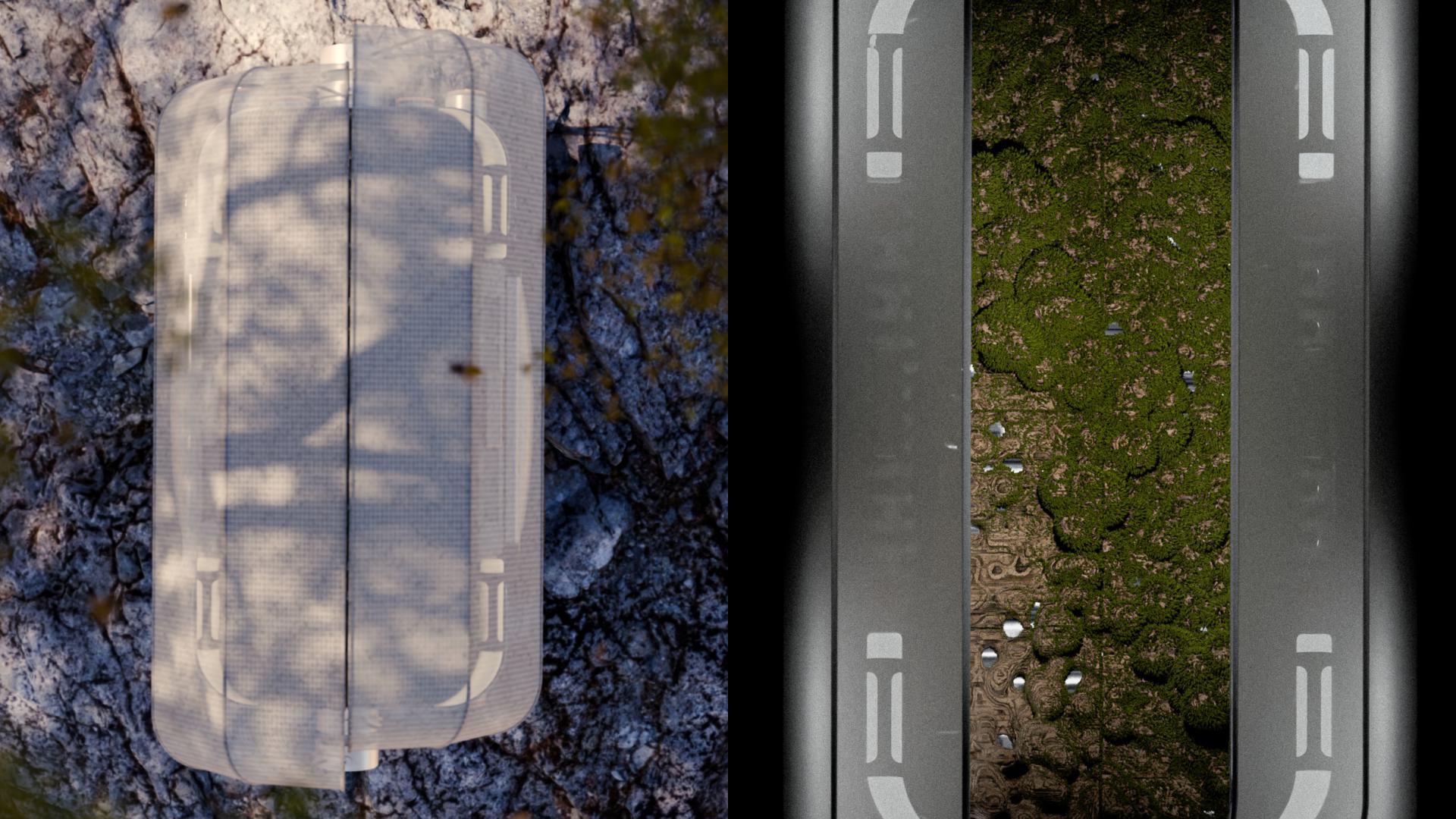
Migratory beekeeping is a practice established for thousands of years, with the earliest records dating back to around 2400 BCE. It comes with its own set of challenges, as hives must only be moved by night to ensure the transport of all bees. At the same time, the hives must be moved at least 3 miles (5 kilometers) to trigger the bees to reorient themselves. HYVE utilizes this ancient method to interlink isolated inner-city green spaces and farmland, turning pollination into an embedded public transportation system. It allows for the coordinated exchange of pollen and resting periods for hives, supporting the health of crops, humans and more-than-human life alike.